What does “riverfront living” in Pittsburgh really mean? In this city, it usually means more than a water view. It can mean trail access, a shorter trip into Downtown, and a lifestyle built around parks, bridges, and public spaces that connect some of Pittsburgh’s most recognizable neighborhoods. If you are weighing a move along the rivers, this guide will help you compare the areas, the housing patterns, and the daily tradeoffs so you can make a smarter decision. Let’s dive in.
Why Pittsburgh riverfront living stands out
Pittsburgh’s riverfront lifestyle is shaped by a connected network of public spaces, not one long uninterrupted waterfront strip. The Three Rivers Heritage Trail is commonly described as spanning roughly 33 to 37 miles, while Riverlife’s Downtown loop covers 15 miles and 1,055 acres and is about 85% connected.
That matters when you start home shopping. A “riverfront” address might mean your building sits directly on the trail, or it might mean you are a block or two away with river views and quick access to the water. In practical terms, those are very different experiences, and they often come with different price points, parking realities, and day-to-day convenience.
Some of the best-known riverfront anchors include Point State Park, Allegheny Riverfront Park, North Shore Riverfront Park & Trail, South Side Riverfront Park & Trail, South Shore Riverfront Park, Strip District Riverfront Park, Mon Wharf Landing, and Washington’s Landing. Together, they create the framework for a lifestyle that blends recreation, commuting options, and city views.
Riverfront lifestyle by neighborhood
North Shore and North Side
The North Shore sits along the Allegheny and Ohio Rivers and offers some of the easiest access to Downtown views. It is also one of the simplest places to picture a river-oriented routine, with walking and biking connections, access to the T, and a mix of entertainment venues, museums, green space, and office destinations.
From a housing standpoint, the river-adjacent options here tend to fit buyers looking for condos, apartments, or mixed-use living. Just inland, adjacent North Side neighborhoods offer older homes and historic rowhouse-style options. If you want a location that feels highly connected and visually tied to the skyline, this area is often one of the first places buyers explore.
Strip District riverfront
The Strip District has a very different feel. It is a narrow district between the Allegheny River and the hill bordering Downtown, and the area is seeing higher-density land use, new residential activity, and continued development that depends on multimodal access.
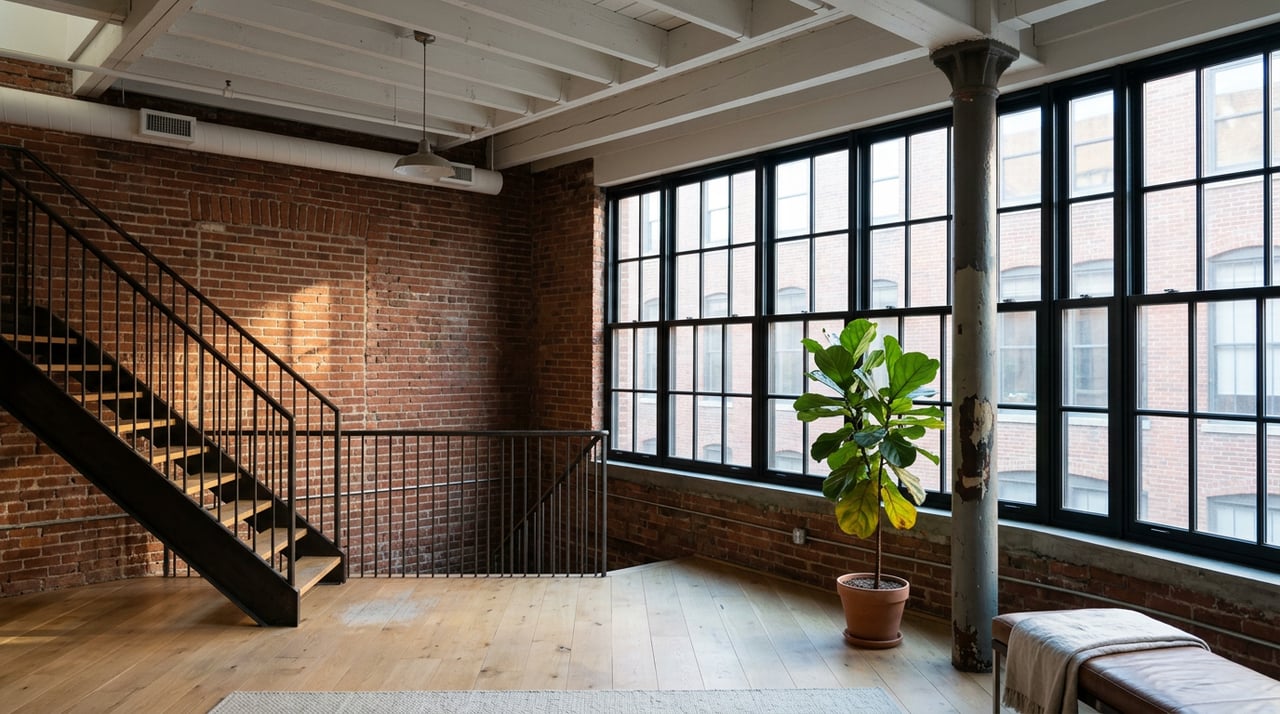
For many buyers, the appeal is clear. You get a more urban, redevelopment-driven environment where loft-style homes, condos, and infill townhome-style properties fit the neighborhood form better than large detached homes. If your priority is being close to Downtown with river access, an active street scene, and evolving public open space along the water, the Strip is a strong contender.
South Side, South Shore, and Station Square
Along the Monongahela, the South Side brings together recreation, established city housing, and major redevelopment. Visit Pittsburgh notes that the neighborhood has five miles of riverfront trail and direct access to the Great Allegheny Passage, which makes it especially appealing if you want to bike or walk as part of your regular routine.
SouthSide Works adds another layer. The Urban Redevelopment Authority describes it as a 123-acre riverfront redevelopment with residential and commercial space, a marina, a riverfront park, 838 residential units, and five miles of new multi-use trails. Nearby, South Side Riverfront Park includes picnic space and public boat and canoe launches.
Housing choices vary here more than in some other riverfront districts. Around SouthSide Works and Station Square, river-adjacent apartments and condos are the natural fit. In the Flats and Slopes, older rowhouse-style housing is more common, with hillside locations offering a different vantage point over the city.
Washington’s Landing
If you want one of Pittsburgh’s clearest examples of true waterfront residential living, Washington’s Landing deserves special attention. The URA describes it as a mixed-use development on a 42-acre island in the Allegheny River, about two miles from Downtown, with market-rate housing, a marina, a public park, office and research space, and skyline views.
This setting feels distinct because it is not just near the river. It is immersed in it. For buyers drawn to compact waterfront living, this is one of the best local examples of where condo- and townhome-style housing aligns naturally with the setting.
Mount Washington and South Side Slopes
Not every river-oriented buyer wants to live directly on the water. Some want the visual payoff of the rivers and skyline without being on the trail edge or in the busiest event zones.
That is where Mount Washington and the South Side Slopes come into the conversation. Visit Pittsburgh notes that the Monongahela Incline carries riders to Mt. Washington for dramatic Downtown views and is still used by local commuters. The South Side Slopes also stands out for its 68 public stairways and 5,447 steps, which help define its hillside character and city outlooks.
How commutes work near the rivers
For many buyers, riverfront living is as much about connectivity as scenery. Pittsburgh Regional Transit says the light rail system runs 26 miles from the North Shore to the South Hills, making certain river-adjacent neighborhoods especially appealing if you want options beyond driving.
Downtown remains the region’s main transit hub, and nearly all routes travel in and out of it. That makes riverfront neighborhoods near Downtown especially practical if your job, routine, or social life regularly pulls you into the core.
Station Square is one of the most useful examples of layered access. PRT describes it as a transit center with four bus stops, a light rail station, and nearby Monongahela Incline access. If you are trying to balance river views with flexible commuting options, this kind of setup is worth a close look.
For cyclists and walkers, the trail network can be just as important as rail. Riverlife’s Mon Wharf Switchback links the Smithfield Street Bridge, Eliza Furnace Trail, and Great Allegheny Passage down to Mon Wharf Landing, creating a practical connection for people living on or near the riverfront.
What buyers should look at closely
Trail access is not all the same
One of the biggest mistakes buyers make is assuming every river-facing property offers the same level of access. It does not. Riverlife notes that the Downtown loop is about 85% connected and includes a mix of public and private property developed for shared access.
When you tour homes, it helps to separate three ideas: water view, walkable to the trail, and front-door trail access. Those can sound similar in a listing, but they create very different lifestyles once you move in.
Housing type often follows the riverfront pattern
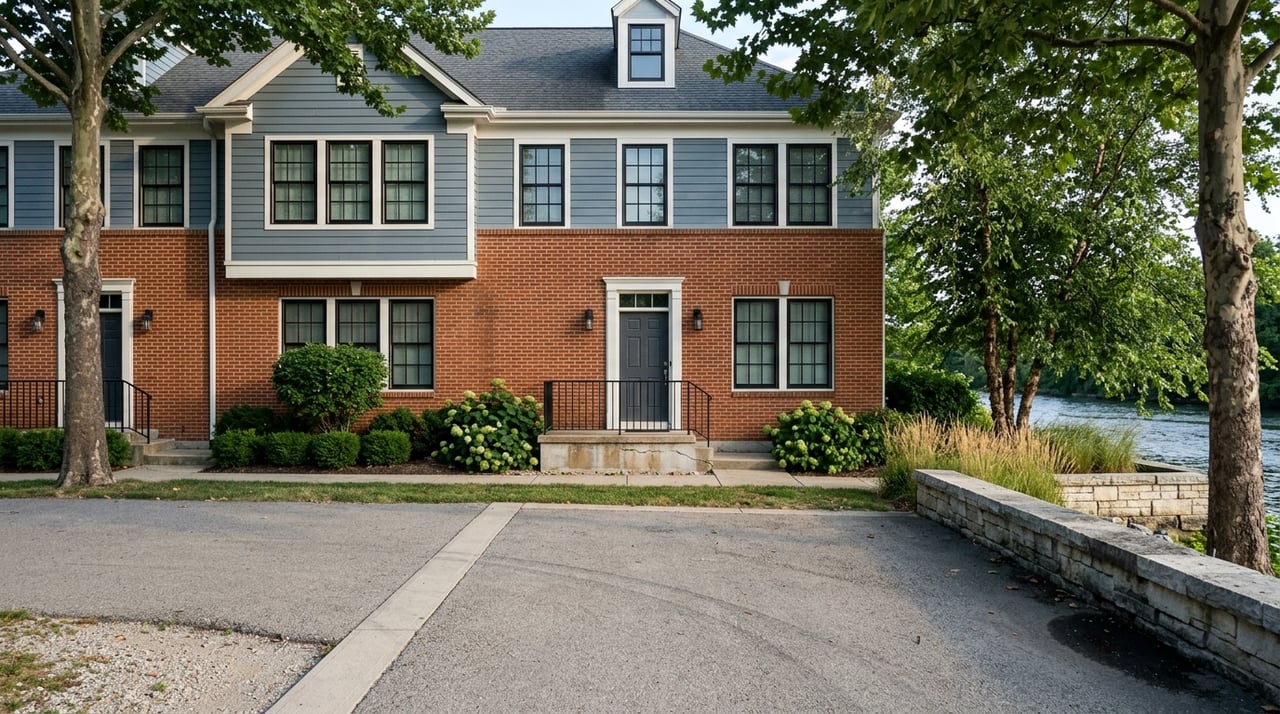
Across Pittsburgh’s riverfront districts, the most direct riverfront housing is often lower-maintenance product like condos or mixed-use residences. Townhomes and rowhouses are more likely to sit a block back or on the hillside above the river, while single-family homes are generally more common on the hills above the waterfront corridors.
That pattern can be useful when narrowing your search. If you want lock-and-leave convenience, a building near the water may fit well. If you want more interior space or a more traditional street setting, you may find a better match one layer back from the river.
Density and activity vary by district
North Shore, South Side, and the Strip District were intentionally developed as mixed-use environments. That means residential buildings often sit close to parks, offices, restaurants, retail, and event venues.
For some buyers, that energy is the whole point. For others, it raises practical questions about parking, traffic flow, and event-day activity. A strong home search should account for both the scenic upside and the rhythm of the neighborhood on a typical weekday and a busy weekend.
Which riverfront area fits your priorities?
If your top priority is direct water adjacency, Washington’s Landing and parts of the South Side riverfront deserve extra attention. If you care most about Downtown access and skyline views, North Shore and Station Square may be the strongest fit.
If you want an urban redevelopment feel with newer residential options and strong proximity to Downtown, the Strip District stands out. If your goal is big views without living directly on the waterfront, Mount Washington and the South Side Slopes create a compelling alternative.
The best fit usually comes down to how you rank your daily priorities. Trail use, commute style, parking needs, building type, and how much activity you want outside your door all matter as much as the river itself.
A smart way to shop Pittsburgh’s riverfront
Riverfront living can look simple on paper, but it is highly location-specific in Pittsburgh. Two homes described as “near the river” may offer completely different access, commute options, and lifestyle tradeoffs.
That is why a neighborhood-first approach matters. When you evaluate these areas block by block, not just by zip code or listing language, you can make a better decision about value, convenience, and long-term fit.
If you are comparing Pittsburgh riverfront neighborhoods and want clear, local guidance tailored to your schedule and goals, Kevin C. Schwarz, Real Estate Agent can help you evaluate the tradeoffs and move with confidence.
FAQs
What does riverfront living in Pittsburgh usually mean for homebuyers?
- In Pittsburgh, riverfront living often means access to a connected network of trails, parks, and public spaces, not always a home directly on the water.
Which Pittsburgh neighborhood offers the most direct waterfront residential setting?
- Washington’s Landing is one of Pittsburgh’s clearest examples of true waterfront residential living, with market-rate housing on a 42-acre island about two miles from Downtown.
Which Pittsburgh riverfront neighborhood is best for trail access?
- The South Side is a strong option for trail access because it includes five miles of riverfront trail and direct access to the Great Allegheny Passage.
How do Pittsburgh riverfront neighborhoods compare for commuting?
- Riverfront areas near Downtown often have the strongest commuting advantages, with access to walking and biking routes, major transit connections, and light rail service between the North Shore and South Hills.
What housing types are most common in Pittsburgh riverfront areas?
- Condos, apartments, and mixed-use residences are often the most direct riverfront options, while rowhouses, townhomes, and hillside homes are more common just off the waterfront.
What tradeoffs should buyers expect in Pittsburgh riverfront districts?
- Buyers should pay close attention to trail access, parking, density, and event activity, especially in mixed-use areas like the North Shore, South Side, and Strip District.