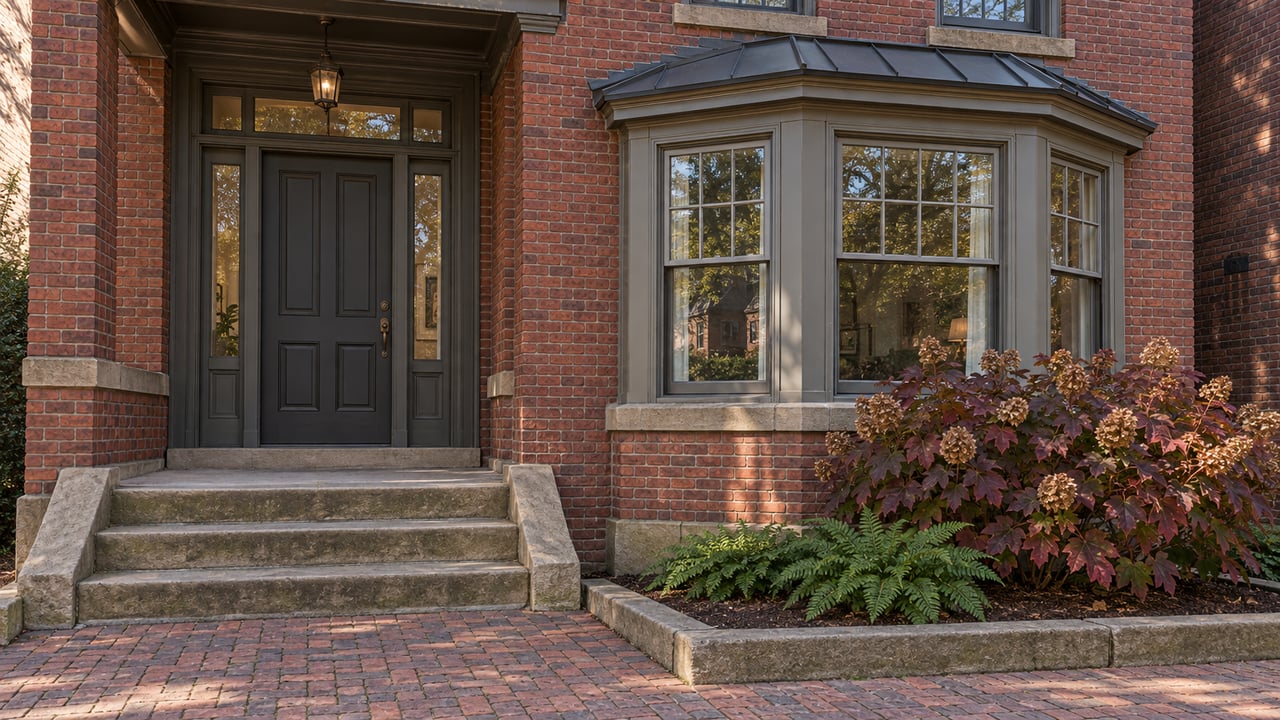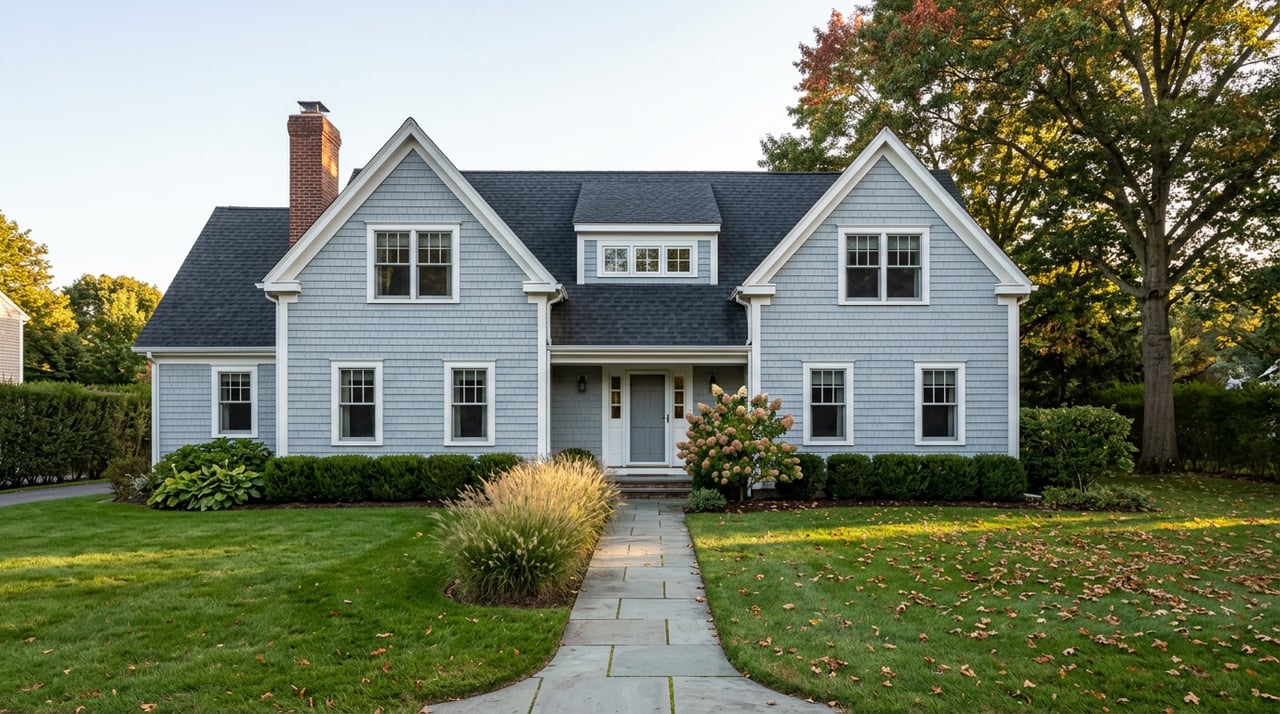
Drive Fort Couch Road or Washington Road through Upper St. Clair today and the commercial map looks almost identical to the one from five years ago. Same buildings. Same parking lots. Same curb cuts. If you judged the township by its footprint alone, you'd call the dining scene stagnant.
You'd be wrong, but not for the reason you'd expect. The addresses haven't moved. What's happening inside them has changed almost completely, and the pattern tells you something about how this particular township actually works: in Upper St. Clair, restaurant space rarely goes empty. It gets inherited.
The building that stopped being a restaurant without becoming vacant
As CBS Pittsburgh reported, Maggie's Farm Rum opened a restaurant at its Upper St. Clair production facility in March 2025 with the kind of fanfare that makes local news. By that August, the restaurant side of the operation had already closed. In its report, Patch quoted Tim Russell, president of Allegheny Distilling, which owns Maggie's Farm, saying, "between the recent economic uncertainty and rise in food costs, we have had to take a hard look" at what the business could sustain.
Here's the part that matters if you actually live near that building: it didn't close. The distilling operation stayed. Tastings, tours, and bottle sales continued exactly where they always had. Allegheny Distilling's Smallman Street Barrelhouse in the Strip District absorbed the cocktail and retail business that the Upper St. Clair restaurant used to handle, and gift cards still work there.
A CBS Pittsburgh report quoted Point Park University marketing professor Dorene Ciletti on why this happens so often in the industry: "estimates are about 20% of restaurants fail within the first year," a number that "jumps to 40% that fail within the first five years." Maggie's Farm's restaurant fell inside that curve, closing within about five months of its debut. But the building itself never joined the stock of empty Upper St. Clair storefronts. That's the pattern worth noticing. A restaurant failing here doesn't automatically mean a dark window on the drive home. It often means a pivot that happens fast enough that most residents never clock the gap.
The sign that survived, the kitchen that didn't
A few miles away on Bower Hill Road, Wild Rosemary Bistro tells the opposite version of the same story. The name on the building never changed. Everything else did.
As Patch reported, after the original owners closed the restaurant, it sat dormant until Raymond Mikesell bought it in 2024. Mikesell had previously run Cafe Raymond in the Strip District, and he didn't keep Wild Rosemary's old identity, which had leaned Mediterranean. He rebuilt the menu around what he described to Patch as his own family history: "my family recipes growing up in an Italian/Irish American North Side 'Yinzer' family here in Pittsburgh." He also planned a supper club to run alongside the regular menu.
If you drove past Wild Rosemary during the transition, nothing about the exterior told you a new chef with a different culinary point of view had taken over the kitchen. The sign stayed the same. The food, the sourcing, the entire reason to go there, did not. This is the second half of the turnover pattern: sometimes the operator changes so completely that keeping the old name is almost misleading, and you only find out by walking in.
The last time a genuinely new address showed up
Compare both of those stories to what happened at Siena at St. Clair, and the contrast is instructive, mostly because of how long ago it was. Siena sits on the site of the old Consol Energy corporate headquarters, directly across from South Hills Village. It's the rare genuinely new commercial address the township has produced rather than a changed occupant at an old one.
As Patch reported, Whole Foods arrived first. Then came The Porch at Siena, the second Pittsburgh location for Eat'n Park Hospitality Group's Porch concept, following the original Porch at Schenley in Oakland's Schenley Plaza. Eat'n Park Hospitality Group is the same company behind Six Penn Kitchen, Hello Bistro, and Delicious Raw Juice Bar, so the Porch brand arrived in Upper St. Clair with an operator that already understood how to run a full-service, seasonally driven restaurant at scale.
That opening happened the better part of a decade ago, and it hasn't been repeated. No comparable new commercial address has appeared in the township since. The lesson isn't that Siena was more exciting than Fort Couch. It's that new restaurant real estate in Upper St. Clair doesn't get created by ordinary market turnover, it took an entire corporate campus becoming available to produce that one new dining address, and nothing has replicated it. Everything you've seen change in recent years is the same buildings changing hands.
What hasn't moved at all
Not every storefront in the township is mid-turnover, and the fixed points are worth naming because they're the reference points everyone else gets compared to.
- Owl's Nest sits directly on the Upper St. Clair golf course and has built a following on Texas-style, low-and-slow barbecue served with a more polished presentation than the format usually gets, alongside a full bar and a menu that also covers steaks and shrimp risotto for anyone who wants something other than smoked meat.
- Bella's on Fort Couch has been serving Italian food from the same building for more than 35 years, run as a family operation with lunch specials, catering, and private dining rooms that haven't needed to reinvent themselves to stay full.
Those two are the control group. When something around them shuts down, reopens under new ownership, or gets absorbed into a different business line, Owl's Nest and Bella's are still exactly where they've always been, doing exactly what they've always done. That stability is precisely what makes the turnover elsewhere so easy to miss. Nothing about the physical corridor signals change. You have to know which door used to lead somewhere else.
Why this matters if you already live here
None of this is a market report. It's a way of reading a township that doesn't advertise its own churn. If your mental map of Upper St. Clair dining is a few years stale, the fix isn't to look for new construction. It's to check which of the buildings you already drive past every week are running under new ownership, a new chef, or a new business line entirely.
That's true of Maggie's Farm's old restaurant space, now folded back into the distillery's production and tasting operation. It's true of Wild Rosemary Bistro, still standing on Bower Hill Road under a sign that hasn't changed while the food behind it has. And it's true of the fact that the only genuinely new dining address the township has produced in years required an entire corporate campus to change hands before it could exist, and nothing since has matched it.
The next time someone tells you nothing changes in Upper St. Clair, you'll know the more accurate version: the map holds still. It's what's inside it that keeps turning over.
If you're weighing a move to Upper St. Clair, or you already live here and want a read on how a specific block or listing fits into the township's actual rhythm rather than its street-view appearance, Black Key Partners can walk you through it. Request a Concierge Consultation to talk through the neighborhood in more detail than a drive-by ever will.