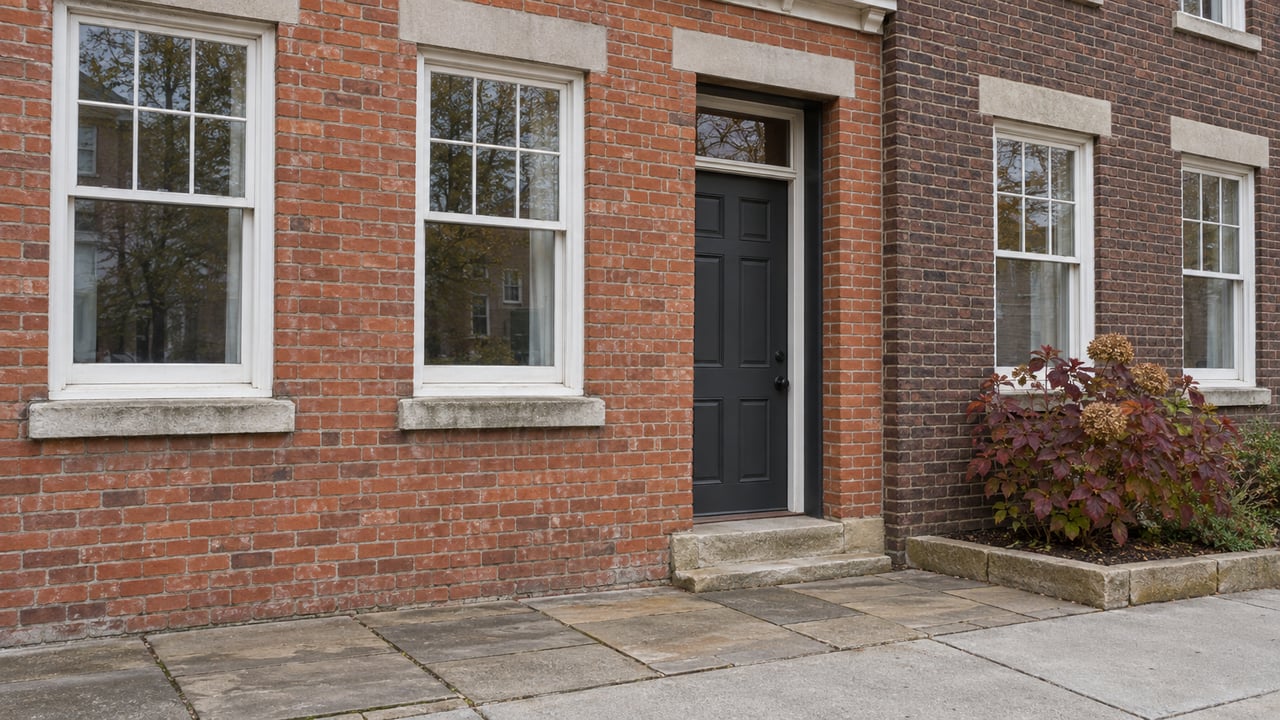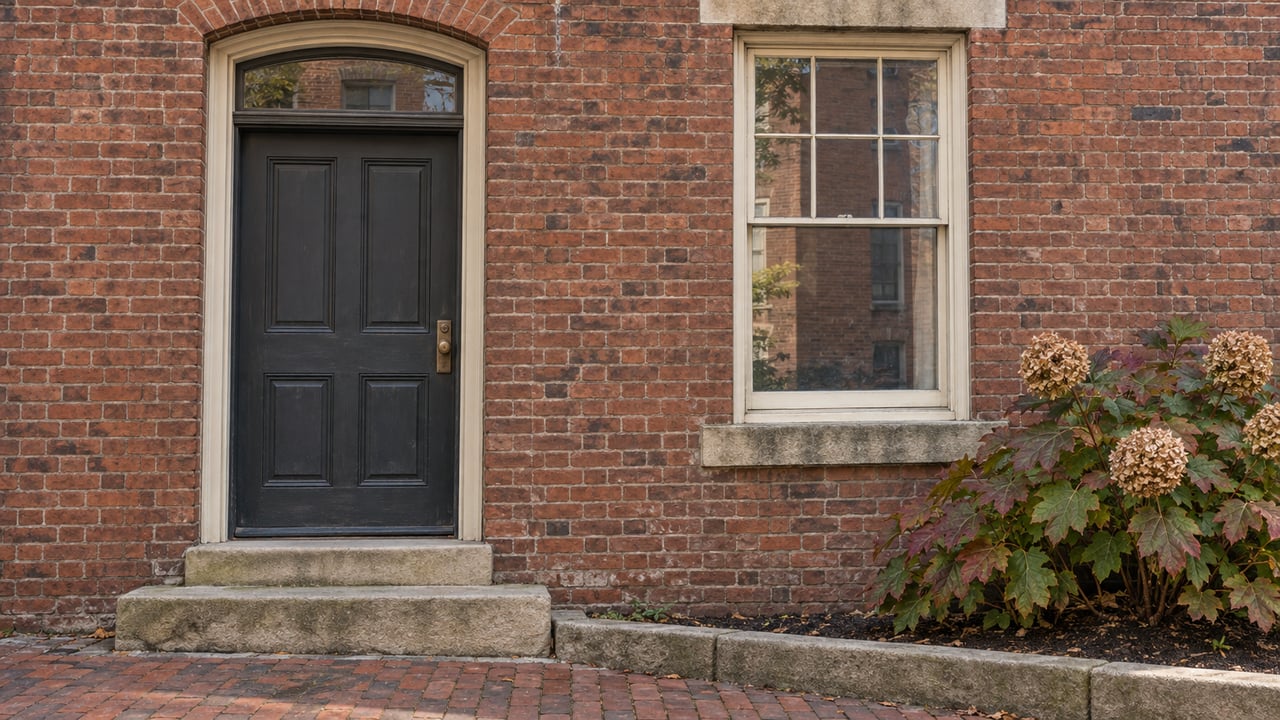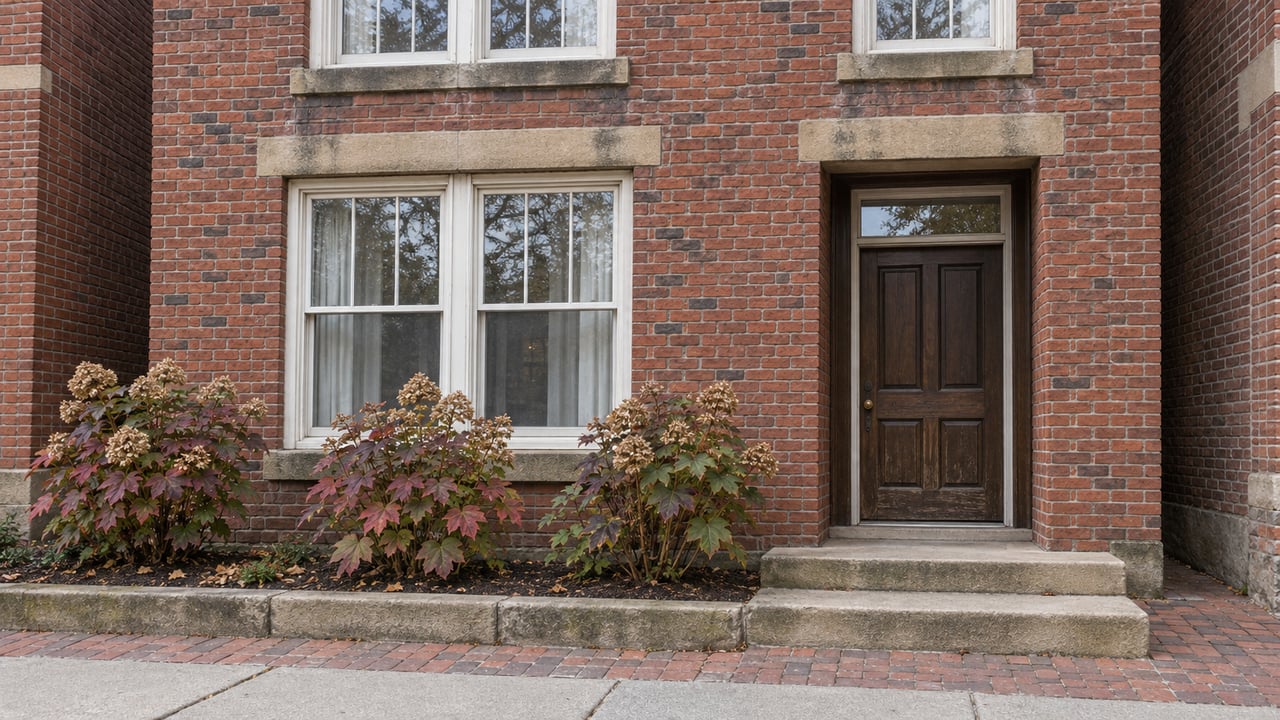
On 39th Street, two neighboring houses received very different 2026 property tax bills. One was taxed at $121.78 per square foot, which put its total bill near $6,600 for the year. The house next door was taxed at $31.22 per square foot, for a bill of about $2,100.
The Pittsburgh Post-Gazette traced the difference to one event. Pittsburgh Public Schools appealed the assessment on the first house. Nobody appealed the one next door.
If you're comparing city neighborhoods right now, that pair of houses explains how Pittsburgh property taxes work in practice. The assessment on a listing or parcel record usually shows the tax bill the seller has been paying. Your bill is more likely to follow the price you pay.
The assessment on the parcel record is a 2012 number
Allegheny County still uses a 2012 base year, and that base year has applied since tax year 2013. The county's property assessment page says plainly that the values in its parcel search are not current market values.
When a house changes hands, the county does not reset its assessment. A sale price does give a school district or municipality evidence that the value has risen since 2012. Under the county's appeals rules, an owner, a school district or a municipality can file an annual appeal, and there is no filing fee. Appeals go first to the Board of Property Assessment Appeals and Review (BPAAR) and can then be taken to the Court of Common Pleas.
The Post-Gazette reported that taxing bodies often file these appeals against recently sold homes, and that new owners get a tax increase soon after moving in. The pattern has picked up a name, "the newcomers tax." Countywide, more than 20,000 homeowners faced appeals from taxing bodies over the four years the paper reviewed, and those appeals raised residential values by about $270 million.
The reason for the push shows up in the commercial numbers. Over the same four years, the value of commercial buildings fell by more than eight times the amount residential appeals added, according to the Post-Gazette. PublicSource found the same shift at the ward level between 2022 and 2024:
- The 2nd Ward, which covers much of Downtown and the Strip District, lost 3.73% of its taxable assessed value, more than $112 million.
- The 6th Ward in Lower Lawrenceville gained 30%, or $130.2 million.
Falling commercial values have shifted more of the tax base onto homes, and recently sold homes are the ones whose sale prices give taxing bodies a documented basis for an appeal.
Running a sale price through the county's ratio
In an appeal, the county doesn't tax a home at its full market value. It multiplies market value by the common level ratio (CLR), which the state certifies. The Pennsylvania State Tax Equalization Board certified Allegheny County's 2025 CLR at 49.3%, for use from July 1, 2026, through June 30, 2027. BPAAR says it applies that 49.3% factor in appeals starting in September 2026.
The assessment is then multiplied by five tax rates. Here are the 2026 rates for a home in the City of Pittsburgh:
| Taxing body | 2026 millage | Source |
|---|---|---|
| City of Pittsburgh | 9.67 mills | City property tax worksheet |
| City Parks levy | 0.5 mills | City property tax worksheet |
| City Library levy | 0.25 mills | City property tax worksheet |
| Pittsburgh Public Schools | 10.457 mills | County Treasurer school district schedule |
| Allegheny County | 6.43 mills | County municipal schedule |
| Combined | 27.307 mills |
The city's rate includes a 20% increase that the Post-Gazette described as Pittsburgh's first tax hike in a decade.
Here's an example. Suppose a city home sells for $400,000, and in an appeal the board accepts that price as its market value. At 49.3%, the assessment would be $197,200. At 27.307 mills, the annual bill would be about $5,385 before any exemptions or credits the owner qualifies for. The board isn't required to land on the sale price. PublicSource reported a Point Breeze purchase of $970,095 where a Pittsburgh Public Schools appeal ended with a fair market value finding of $616,000.
The case behind today's reassessment fight shows the same mechanics. PublicSource reported that Flavia Laun bought her Churchill home for $225,000 when it was assessed at $114,500. After Woodland Hills School District appealed, BPAAR raised the assessment to $142,900.
This is general information, not tax or legal advice. Any buyer working through their own numbers should confirm them with a tax professional or attorney, along with the county's posted rules.
Same sale price, different bills
The difference between a seller's bill and a buyer's bill is one effect of the 2012 base year. Another is that similar homes can carry very different bills. In March 2026, WTAE looked at 24 Pittsburgh homes that each sold for $175,000 in 2024 or 2025. Their tax bills ranged from $938 for a home in Elliott to $2,695 for one about a mile away in Crafton Heights.
The gap is widest where prices have risen fastest. In a July 2026 model built on valid sales since 2021, Pro-Housing Pittsburgh found a median ratio of existing assessment to sale price of 0.423 for its urban single-family group. In other words, the typical home in that group is assessed at well under half of what it recently sold for. The group expects the largest relative increases after a reassessment in neighborhoods that have appreciated quickly over the past decade, especially inside the city. Its numbers are preliminary model estimates, not county values. In its October 16 coverage, the Post-Gazette described Lawrenceville as likely to see large increases in assessed values during a countywide reassessment.
So if you're buying in Lawrenceville, or another city neighborhood that has appreciated quickly, two things are true:
- The seller's bill probably reflects an assessment far below market value.
- Your purchase price is the strongest evidence anyone has of what the house is worth today.
The court schedule that could close the gap
The reassessment many people expected for years now has deadlines.
- January 29, 2025. Flavia Laun sues the county, claiming its assessments aren't uniform and violate the state constitution.
- February 2026. County Council approves the Longtime Owner-Occupant Program (LOOP) for eligible lower-income homeowners. It limits county tax increases after a reassessment to 35% in the first year and 7% a year after that, and it applies to county taxes only.
- August 17, 2026. Common Pleas Judge Kenneth G. Valasek orders the county to have "materially and substantially commenced" a reassessment by July 1, 2027, and to finish within five years, WESA reported.
- October 15, 2026. The county and the plaintiff couldn't agree on an outside overseer, so Judge Mary McGinley was appointed to oversee the process, according to the Post-Gazette.
- July 1, 2027. The deadline for the reassessment to be underway.
- By July 2032. The deadline for the reassessment to be complete.
The county has said it will comply with the order and reassess "every five years thereafter." The judge's order does not require that schedule, and some council members have pushed for shorter cycles. In March 2026, a proposal to reassess every three years was referred to committee, and as of WESA's August reporting, no recurring schedule had been set.
What a reassessment means for someone who just bought
A reassessment raises every assessment toward market value at the same time, so tax rates have to come down. The Allegheny County Controller's office explains that after a countywide reassessment, taxing bodies set an equalizing millage that keeps revenue at the prior year's level. Under the Second Class County Code, municipalities may raise that equalizing rate by up to 5%, and going beyond that requires a petition to the Court of Common Pleas. School districts are limited by the state index, and the county itself may not take a windfall.
Apply that to the 39th Street houses. An owner whose assessment has already been appealed close to market value would see little change in assessment, while the neighbors' assessments rise to catch up and the rates fall. If that happens, the gap between the two houses narrows, and part of the shift may come from the appealed owner's bill going down. WESA reported one expert's countywide estimate that about a third of owners would see lower bills after reassessment, a third roughly the same, and a third higher. No one has published a forecast for individual neighborhoods.
Questions buyers ask
Can I still file an appeal for the 2027 tax year?
The county's annual appeal window for tax year 2027 ran from July 1 to September 1, 2026, and it has closed. The appeals page lists the current filing periods.
Does the 49.3% ratio stay the same through the reassessment?
No. The state certifies a new ratio each year. The 49.3% figure covers July 2026 through June 2027 and replaced the 50.14% used for tax year 2026.
Is the Pittsburgh Public Schools lawsuit still active?
A judge dismissed the district's separate reassessment suit in February 2025 because of standing, without ruling on whether the county's assessments are constitutional. As of August 2026, the district's appeal was pending in Commonwealth Court.
If you're pricing a Pittsburgh home and want the carrying cost calculated from the sale price instead of the 2012 assessment, Black Key Partners will go through the assessment history, the millage and the reassessment timeline for that address with you before you write an offer. Request a Concierge Consultation.