Hungry for a neighborhood that fits your lifestyle as much as your budget? In Pittsburgh, some of the city’s most appealing places to live are built around market halls, coffee shops, restaurant rows, and walkable commercial streets. If you want to compare where the food scene is strongest, how the housing styles differ, and where prices tend to land, this guide will help you narrow the field. Let’s dive in.
Pittsburgh’s Food Neighborhood Landscape
Pittsburgh’s strongest food-and-market corridors cluster in the Strip District and the East End. That gives you a useful way to think about your options: some neighborhoods feel like destination districts with intense walkability and constant activity, while others pair great dining with a more residential, neighborhood-scaled feel.
Price usually follows that pattern. Pittsburgh’s median sale price was $240,000 in March 2026, but many of the city’s most walkable food-focused neighborhoods sit above that baseline. If you are weighing lifestyle against budget, it helps to compare each area on that spectrum rather than looking for one universal “best” neighborhood.
Strip District: Pittsburgh’s Market Center
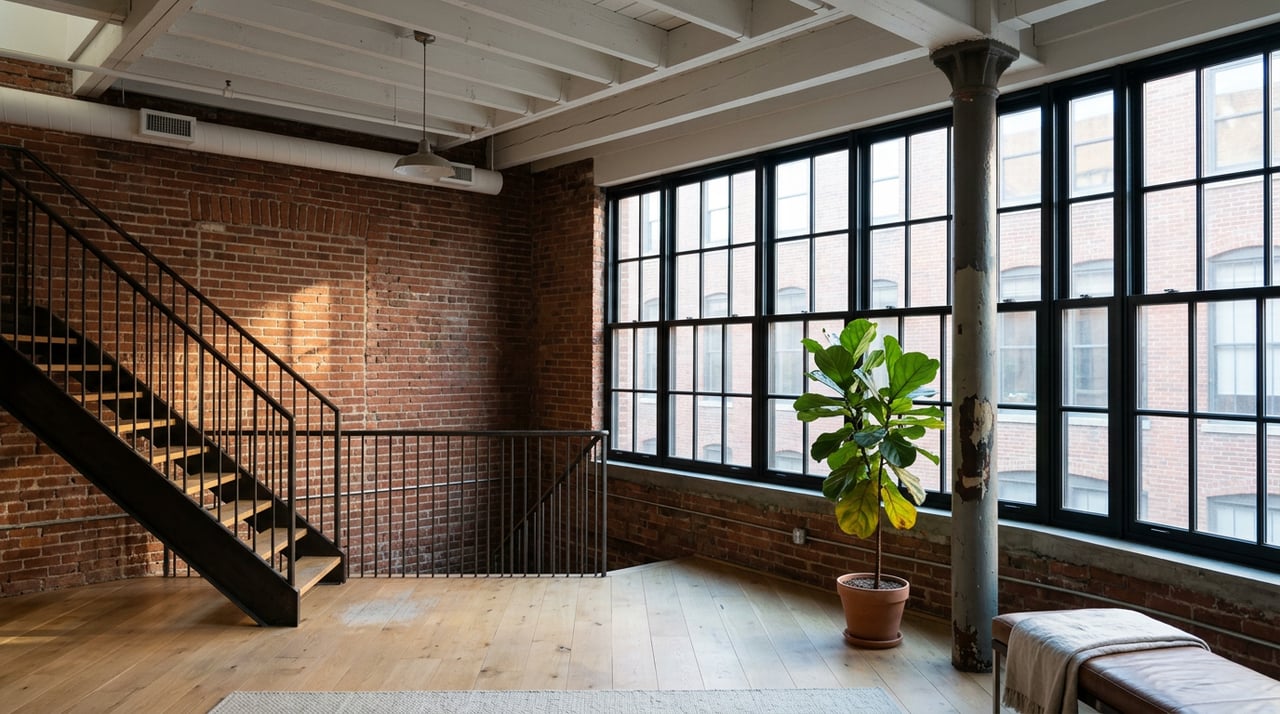
If your ideal weekend starts with coffee, produce stands, specialty groceries, and a walk through a busy commercial corridor, the Strip District stands out. Visit Pittsburgh describes it as a one-half-square-mile shopping district filled with ethnic grocers, produce stands, meat and fish markets, sidewalk vendors, and fresh-roasted coffee.
The neighborhood’s identity is strongly tied to its market culture. The Terminal, a five-block former produce terminal, now hosts year-round events and a 2026 Saturday Market Series, while The PA Market adds another gathering and dining hub in a repurposed produce-building setting.
From a housing perspective, the Strip District sits at the premium end of Pittsburgh’s urban food corridor. Its median sale price was $810,000 in March 2026, which places it well above the citywide median. For buyers, that often means paying more for a highly walkable, destination-driven lifestyle close to dining and market activity.
Lawrenceville: Walkable and More Attainable
Lawrenceville offers one of the clearest blends of food scene, coffee culture, and residential character. Visit Pittsburgh describes it as trendy, walkable, and on the rise, with local spots like The Abbey and Espresso A Mano helping define the neighborhood’s day-to-day rhythm.
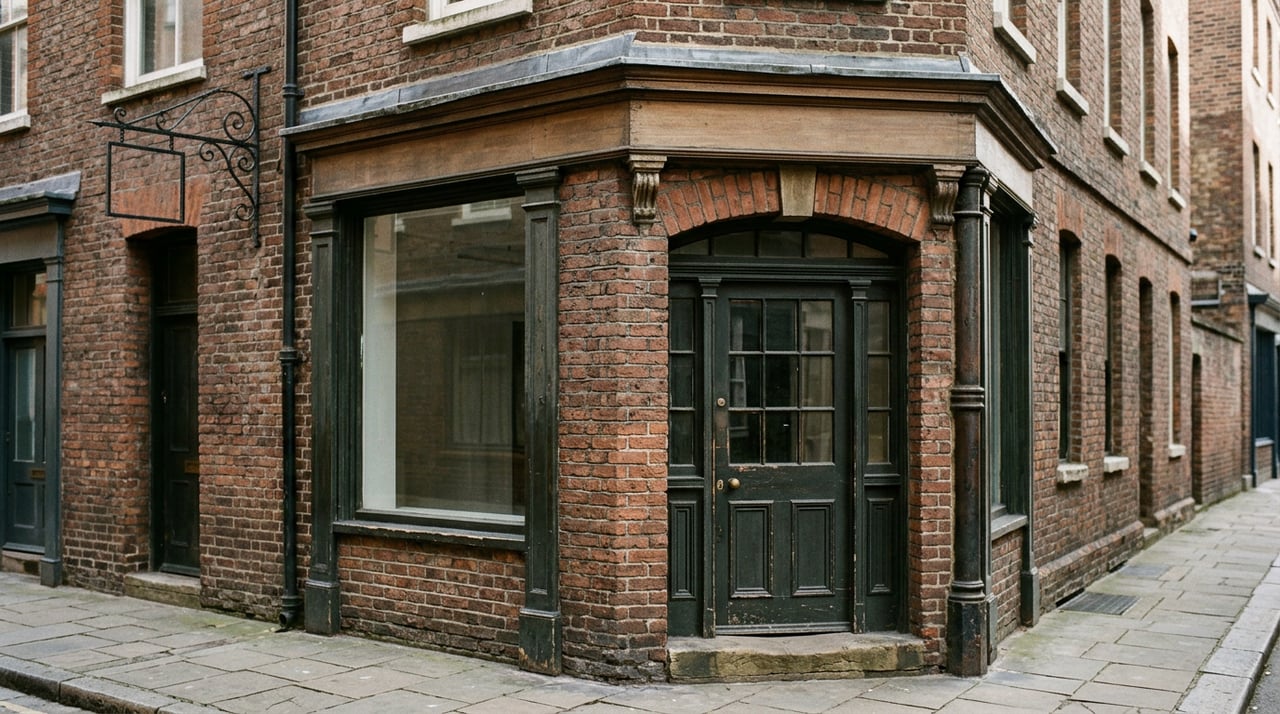
The built environment adds to the appeal. City historic-district materials describe Lawrenceville as a dense neighborhood of tightly sited buildings, attached commercial and residential rows, and a predominantly Victorian-era legacy. That gives many blocks a classic Pittsburgh feel with an urban, lived-in texture.
For many buyers, the numbers are part of the draw. Central Lawrenceville posted a median sale price of $315,000 in March 2026, while Lower Lawrenceville came in at $273,250. Compared with some of Pittsburgh’s pricier food corridors, Lawrenceville can be one of the more attainable ways to get strong walkability and a well-established restaurant-and-café scene.
Shadyside: Polished Streets and Higher Prices
Shadyside appeals to buyers who want shopping, dining, and a more refined streetscape. Visit Pittsburgh notes that the neighborhood includes three business districts, tree-lined streets, historic homes, and beautifully restored Victorian mansions alongside modern homes and condos.
That mix gives you a wider range of housing forms than some buyers expect. You can find classic architecture, newer condo options, and easy access to coffee shops and local stores throughout the area, all within one of Pittsburgh’s best-known close-in neighborhoods.
The trade-off is price. Shadyside’s median sale price was $545,000 in March 2026, putting it firmly in the upper-middle to upper range for city living. If your priority is a polished, walkable neighborhood with a strong retail-and-restaurant mix, Shadyside often stays on the shortlist.
Squirrel Hill: Dining Diversity and Residential Feel
Squirrel Hill is one of Pittsburgh’s clearest examples of a neighborhood that balances dining variety with a strong residential feel. Visit Pittsburgh describes it as a vibrant urban village with international flavor and historic charm, and its dining guide highlights a broad culinary landscape along Forbes and Murray.
The area is especially notable for its concentration of Asian restaurants, specialty markets, and coffee-and-tea spots. For buyers who want everyday convenience rather than a purely destination-driven vibe, that mix can be especially appealing.
Prices vary depending on where you look. In March 2026, Squirrel Hill South had a median sale price of $465,000, while Squirrel Hill North reached $682,500. That places the neighborhood above many other East End options, though buyers may see the value in its combination of dining access, market options, and neighborhood character.
Bloomfield: Main Street Energy
Bloomfield is often described as Pittsburgh’s Little Italy, and the neighborhood’s identity is closely tied to traditional Italian dining, local markets, and classic main-street activity. It offers a strong sense of place without the price tag seen in some of the city’s highest-cost food districts.
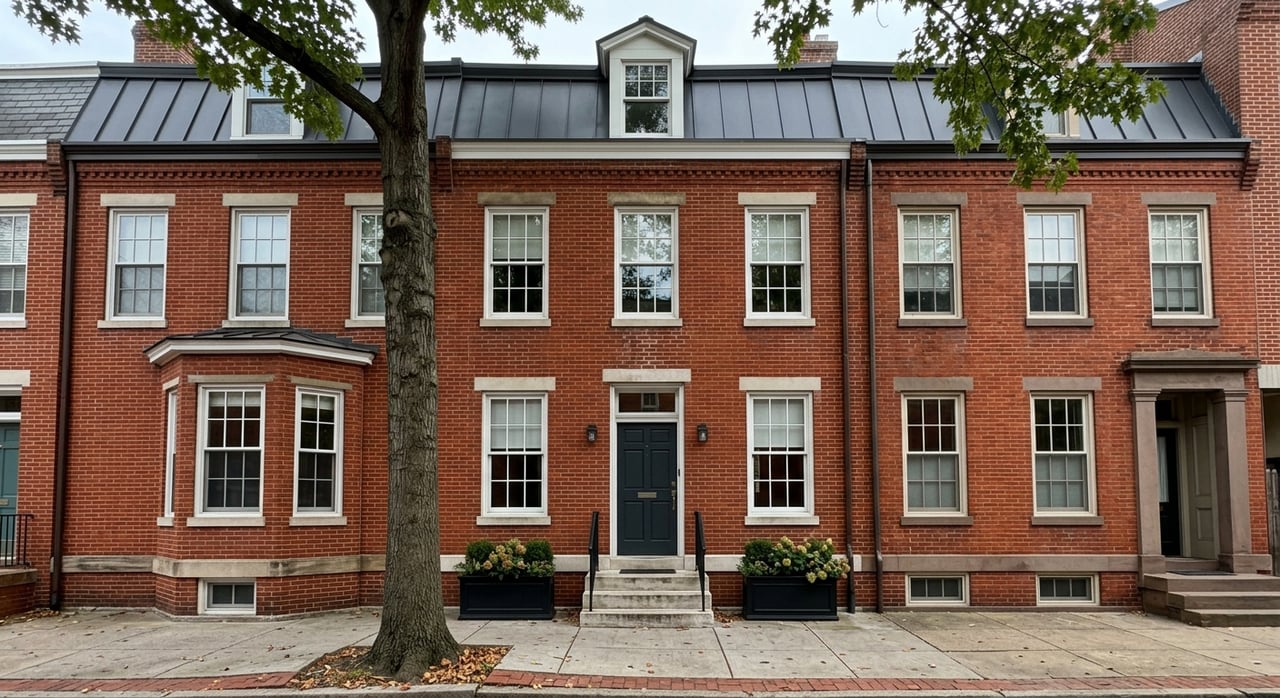
Architecturally, rowhouses dominate the main streets, with Italianate, Victorian, and Queen Anne details appearing on side streets. That housing stock helps give Bloomfield a neighborhood feel that many walkable-city buyers are looking for.
Bloomfield’s median sale price was $318,000 in March 2026. For buyers who want a lively food corridor and a rowhouse-centered streetscape, that can make it a realistic middle-ground option.
Garfield: Culinary Corridor Value
Garfield is often discussed alongside Bloomfield because the two form one of Pittsburgh’s most exciting culinary corridors. If you want access to dining energy but need to stay disciplined on price, Garfield deserves a closer look.
The neighborhood offers a different affordability profile than several nearby East End areas. Garfield’s median sale price was $202,000 in March 2026, which puts it below the citywide median and well below neighborhoods like Shadyside, East Liberty, or the Strip District.
That does not mean every block or property will fit every buyer’s goals. It does mean Garfield can enter the conversation for buyers who want restaurant access and urban character without stretching into the higher price tiers found in more destination-heavy districts.
East Liberty: Redevelopment and Convenience
East Liberty has a different feel from Pittsburgh’s older market-style corridors. It is a redevelopment-heavy district with boutiques, restaurants, boutique hotels, and apartment living around Bakery Square, making it especially relevant if you are considering a more mixed-use, contemporary urban lifestyle.
For some buyers and renters, that format is the appeal. The concentration of apartments, condos, and mixed-use buildings can create a more convenience-focused experience, especially if you want newer housing options close to dining and retail.
East Liberty’s median sale price was $503,000 in March 2026. That places it in a higher bracket than Bloomfield, Garfield, or much of Lawrenceville, though its housing mix and redevelopment pattern may make it a fit for people prioritizing a modern, amenity-rich setting.
How Price and Walkability Connect
Across Pittsburgh’s food-and-market neighborhoods, one trend stands out: the more intensely walkable and destination-driven the corridor, the more likely entry prices move up. That pattern shows up most clearly in the Strip District, Shadyside, and higher-priced parts of Squirrel Hill.
On the other hand, Bloomfield, Central and Lower Lawrenceville, and Garfield often offer more approachable price points while still delivering strong restaurant-and-café access. It is not a hard rule, but it is a useful framework if you are trying to balance lifestyle goals with monthly costs or cash-to-close limits.
For renters, a similar pattern often shows up in housing type. Apartments, condos, and mixed-use conversions are more common directly on or near the commercial strips, while larger attached homes or detached homes may be more common a block or two away.
Which Neighborhood Fits Your Priorities?
If you are deciding where to focus your search, it helps to start with the lifestyle you want most. A buyer who wants market access and constant activity may not prioritize the same features as someone who wants restaurant variety but a quieter residential block nearby.
Here is a simple way to think about Pittsburgh’s food-focused neighborhoods:
- Choose the Strip District if you want Pittsburgh’s clearest market district and are comfortable with premium pricing.
- Choose Lawrenceville if you want strong walkability, coffee culture, and relatively more attainable price points.
- Choose Shadyside if polished business districts, historic homes, and a refined retail-and-dining mix top your list.
- Choose Squirrel Hill if you value dining diversity, specialty markets, and a strong residential feel.
- Choose Bloomfield if you want classic main-street energy, rowhouses, and a neighborhood known for traditional dining and local markets.
- Choose Garfield if staying closer to the lower end of the price spectrum matters most while keeping access to a strong culinary corridor.
- Choose East Liberty if you prefer a redevelopment-driven area with boutiques, restaurants, and more apartment or mixed-use living.
A Smart Way to Narrow Your Search
In these neighborhoods, the right choice is rarely just about price or just about restaurants. It is about how you live day to day, how much walkability matters to you, what kind of housing stock you prefer, and how tightly you want to stay aligned with your budget.
That is where a neighborhood-by-neighborhood approach can save time. Instead of touring the entire city, you can compare a few targeted corridors, understand what your budget buys in each one, and focus on the blocks and housing types that actually fit your goals.
If you are planning a move into Pittsburgh or relocating on a tight timeline, a concierge-style search can make that process much easier. To talk through the city’s food-focused neighborhoods and build a smart search around your priorities, connect with Kevin C. Schwarz, Real Estate Agent.
FAQs
What is the most market-focused neighborhood in Pittsburgh?
- The Strip District is Pittsburgh’s most market-centric neighborhood, known for ethnic grocers, produce stands, meat and fish markets, sidewalk vendors, and fresh-roasted coffee.
Which Pittsburgh food neighborhood is the most affordable?
- Based on March 2026 median sale prices in the research, Garfield was the lowest at $202,000, followed by Lower Lawrenceville at $273,250.
Which Pittsburgh neighborhood has the strongest coffee-and-café culture?
- Lawrenceville stands out for coffee culture, with local examples in the research including The Abbey and Espresso A Mano.
Which Pittsburgh neighborhood offers the most dining diversity?
- Squirrel Hill is highlighted for dining diversity, including a large concentration of Asian restaurants, specialty markets, and a strong coffee-and-tea scene.
Are food-focused Pittsburgh neighborhoods more expensive?
- Often, yes. The research suggests that more intensely walkable and destination-driven food corridors, such as the Strip District, Shadyside, and parts of Squirrel Hill, tend to have higher entry prices.
Which Pittsburgh neighborhood is best for buyers who want rowhouse character and restaurants?
- Bloomfield and Lawrenceville are strong options if you want restaurant access and a neighborhood feel shaped by attached homes and rowhouse-style streetscapes.