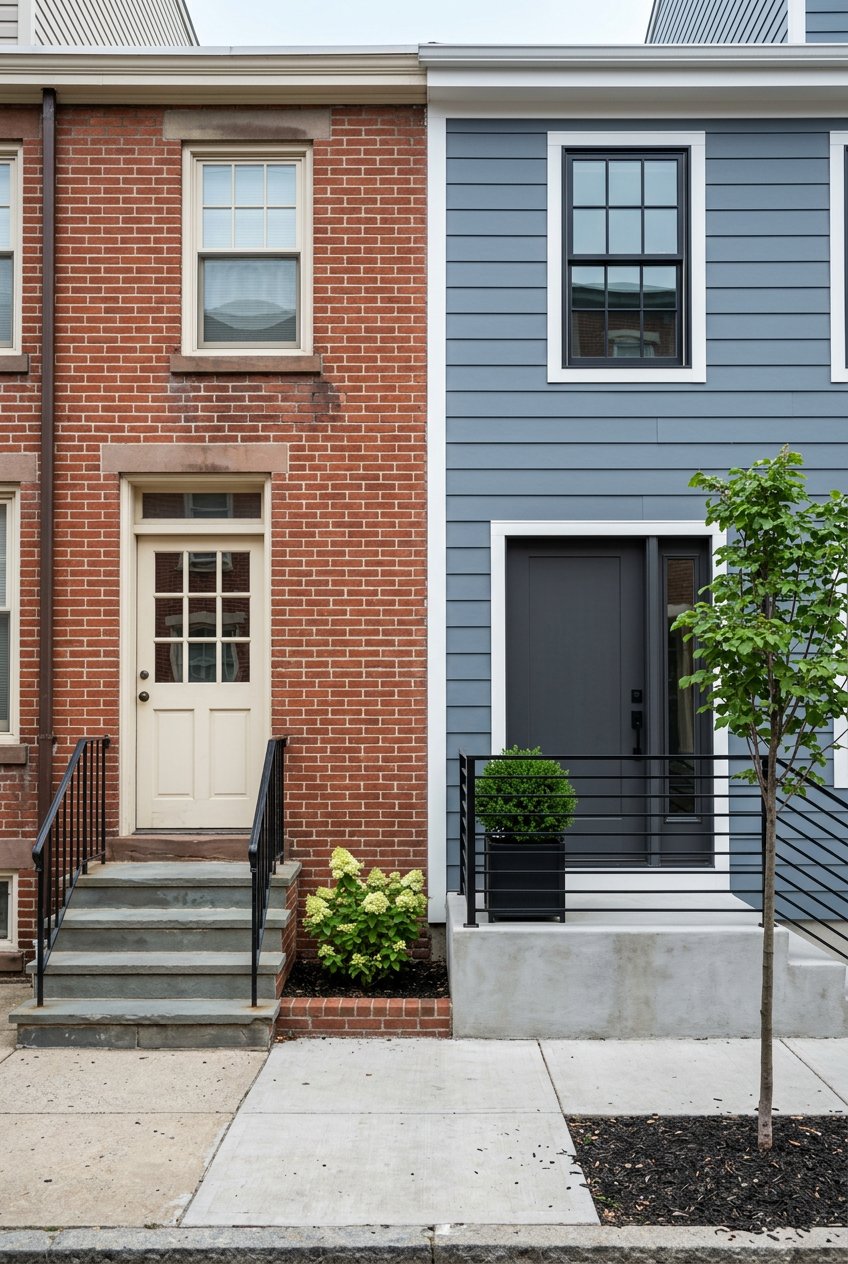
Torn between a sleek new build and a century-old brick charmer in Pittsburgh? You’re not alone. Choosing between new construction and older homes affects your inspections, energy bills, renovation plans, and even your resale strategy. This guide lays out the tradeoffs through a Pittsburgh lens so you can make a confident, value-smart decision. Let’s dive in.
What “new” and “old” mean in Pittsburgh
Pittsburgh’s housing stock skews older. Public planning summaries show that many city neighborhoods have a high share of homes built before 1950, with median years built often in the 1930s and 1940s. That means you’ll frequently see traditional rowhouses, slate or shingle roofs, and legacy systems like clay or cast-iron drains and older electrical in the oldest blocks. Review the city’s housing stock context to set expectations for what “old” really looks like in your target neighborhood.
- Helpful source: The city’s analysis of housing conditions highlights the prevalence of pre-1950 structures across central tracts. You can explore that context in the city’s planning document on housing stock analysis at the City of Pittsburgh site.
New construction inside the city often appears as infill townhomes or small multifamily in walkable neighborhoods, plus larger mixed-use projects on redevelopment sites. Infill aims to fit the surrounding scale yet usually commands a premium for modern systems, warranties, and lower near-term maintenance. If you prioritize turnkey living and predictable carrying costs, that premium can feel worth it.
How age shapes your inspection plan
Every home deserves a full, standards-based inspection. Older properties call for extra due diligence because legacy materials and systems have aged in place. You’ll want to verify safety-critical items, anticipate big-ticket replacements, and understand environmental risks common to the region’s geology and topography.
High-priority tests in Pittsburgh
- Electrical evaluation for knob-and-tube, aluminum wiring, and panel capacity. Older wiring lacks modern grounding and can become brittle. Some insurers and lenders require remediation or a licensed electrician’s certification before closing. Learn what to check in the InterNACHI overview of residential electrical inspections.
- Lead-based paint disclosure and, if needed, a lead risk assessment for pre-1978 homes. Renovation work must follow EPA RRP lead-safe rules with certified contractors. Review the EPA Renovation, Repair and Painting guidance.
- Radon testing. Pennsylvania homes often show elevated radon, so test every purchase and confirm with long-term testing if your short-term result nears the action level. See EPA’s indoor air and radon guidance.
- Sewer camera inspection. Many older homes have clay or cast-iron laterals vulnerable to root intrusion and collapse. A pre-purchase scope helps you anticipate replacement costs. Here’s a local explanation of why to scope the line from a Pittsburgh plumbing resource.
- Foundation, drainage, and hillside checks plus any history of basement backups. Pittsburgh’s hilly terrain and stormwater challenges make this essential. The RAND report on regional flooding risks outlines why stormwater and backups matter for local buyers; review it here.
Ask for the ages and service records of major systems like the roof, furnace, AC, and water heater. A newer roof or HVAC can meaningfully reduce your first 5 years of ownership costs. For safety items such as electrical, structure, or sewer, plan to prioritize those in negotiations and post-closing work.
Maintenance costs and planning
Older homes can deliver architectural charm and strong location benefits, but they may come with catch-up costs. Typical high-impact items include whole-house rewiring, sewer lateral replacement, slate or complex roof work, structural repairs if settlement is present, and full HVAC replacements. Use your inspection report to rank repairs by safety and urgency, then budget for a multi-year maintenance reserve.
Negotiation tips:
- For safety-critical or infrastructure items, consider requesting seller repairs, a price reduction, or funds escrowed at closing.
- For cosmetic or non-urgent issues, a seller credit can keep your timeline intact without complicating post-inspection repairs.
- If you plan exterior changes in a historic district, factor in approval timelines and materials requirements when negotiating price and possession.
Energy, comfort, and monthly bills
New construction built to modern code or ENERGY STAR standards usually runs more efficiently. ENERGY STAR-certified new homes often deliver roughly 15 to 30 percent better energy performance than comparable baseline code homes, which compounds into lower monthly utility bills. See the ENERGY STAR program summary in the EPA library here.
Older homes often start with more air leakage and limited insulation, but they offer clear upgrade paths. Air sealing, attic insulation, high-efficiency HVAC or heat pumps, and targeted window or envelope work can transform comfort and costs. Local rebates can reduce your out-of-pocket costs for upgrades. Explore Duquesne Light’s residential rebate and program info on Watt Choices and energy-efficiency help.
Historic districts and approvals
If you buy in a local historic district, exterior changes generally require review and a Certificate of Appropriateness from the City of Pittsburgh’s Historic Review Commission. That review shapes materials, design details, and timelines for visible work. Before you write an offer, verify whether the property sits in a designated district and review the HRC process and resources on the city’s Commissions and Boards page.
Practical steps:
- Confirm district boundaries with your agent and the city.
- If you plan exterior projects, preview the likely scope, materials requirements, and timing.
- Budget for professional design help where needed, especially on visible facades, windows, and roofs.
Pricing and resale context
Nationally, the price gap between new and existing homes has been narrow in recent quarters. Analysts at NAHB reported a small median gap in 2024–2025 as new-home prices edged down and existing-home prices rose. That context reinforces a practical frame for Pittsburgh buyers: weigh the turnkey benefits and warranties of new construction against the value upside and character you may find in a well-located older home. Read the NAHB summary of the pricing trend here.
Locally, Pittsburgh remains one of the more affordable large metros, with public summaries in 2024–2025 placing citywide medians in the low-to-mid $200Ks depending on the month and source. Your best move is to check a current snapshot the week you shop and then compare new-build options against nearby resale homes block by block. Neighborhood examples can help: Lawrenceville and the Strip District have seen steady infill, while areas like the Mexican War Streets, Shadyside, and Squirrel Hill offer historic character and mature streetscapes.
Quick compare: new builds vs older homes
New construction advantages
- Lower near-term maintenance with modern systems and materials.
- Often stronger energy performance and comfort out of the box.
- Builder warranties can reduce risk and surprise costs in year one.
New construction tradeoffs
- Premium pricing per finished square foot in high-demand, walkable areas.
- Less architectural variety than historic housing stock in certain neighborhoods.
- In some locations, smaller yard or lot sizes compared to legacy parcels.
Older home advantages
- Character-rich architecture and mature streetscapes in established areas.
- Potential value upside if you’re willing to tackle targeted updates.
- Often larger lots or unique features you won’t see in newer builds.
Older home tradeoffs
- Higher likelihood of big-ticket repairs in the first few years.
- Legacy materials and systems that can trigger lender or insurance scrutiny.
- Exterior changes in historic districts require approvals and careful planning.
Buyer checklist for Pittsburgh
- Get a full home inspection and add targeted evaluations for older systems.
- Order a sewer scope, radon test, and lead assessment if the home predates 1978.
- Ask for maintenance records and any history of basement flooding or sewer backups.
- Confirm the ages of roof, HVAC, water heater, and windows.
- Price out top repairs and prioritize safety and infrastructure first.
- Verify historic district status and timeline if exterior work is planned.
- Map an energy plan: air sealing, insulation, and efficient HVAC, then apply for rebates.
How we help you decide
You deserve advice that blends on-the-ground neighborhood knowledge with clear, numbers-first guidance. Our boutique, concierge model makes room for both. We’ll size your maintenance exposure, structure smart contingencies, and benchmark energy and operating costs so you can compare a new infill home in a walkable core with a classic brick rowhouse on equal footing. If you’re relocating, our physician-focused ReloDoc process streamlines lending, scheduling, and short-listing to protect your time.
Ready to compare options the right way? Connect with Kevin C. Schwarz, Real Estate Agent to Request a Concierge Consultation and get a step-by-step plan for your search.
FAQs
What inspections should I prioritize for a pre-1950 Pittsburgh home?
- Start with a full inspection, then add an electrical evaluation for knob-and-tube, a sewer camera scope, radon testing, and a lead risk assessment for pre-1978 paint.
How do Pittsburgh historic districts affect exterior renovations?
- Exterior work in local historic districts typically requires Historic Review Commission approval and a Certificate of Appropriateness, which can influence materials, design, and timelines.
Are radon levels a concern across Allegheny County homes?
- Yes, Pennsylvania geology often yields elevated radon, so test every home and plan long-term confirmation and mitigation if your short-term result nears the action level.
What big-ticket repairs are common in older Pittsburgh houses?
- Whole-house rewiring, sewer lateral replacement, slate or complex roof work, structural repairs for settlement, and full HVAC replacements are common higher-cost items.
Do new builds in Pittsburgh reduce monthly energy costs?
- Often yes, since modern code and ENERGY STAR features improve envelope tightness, insulation, and HVAC efficiency, which typically lowers utility bills compared with older, non-upgraded homes.