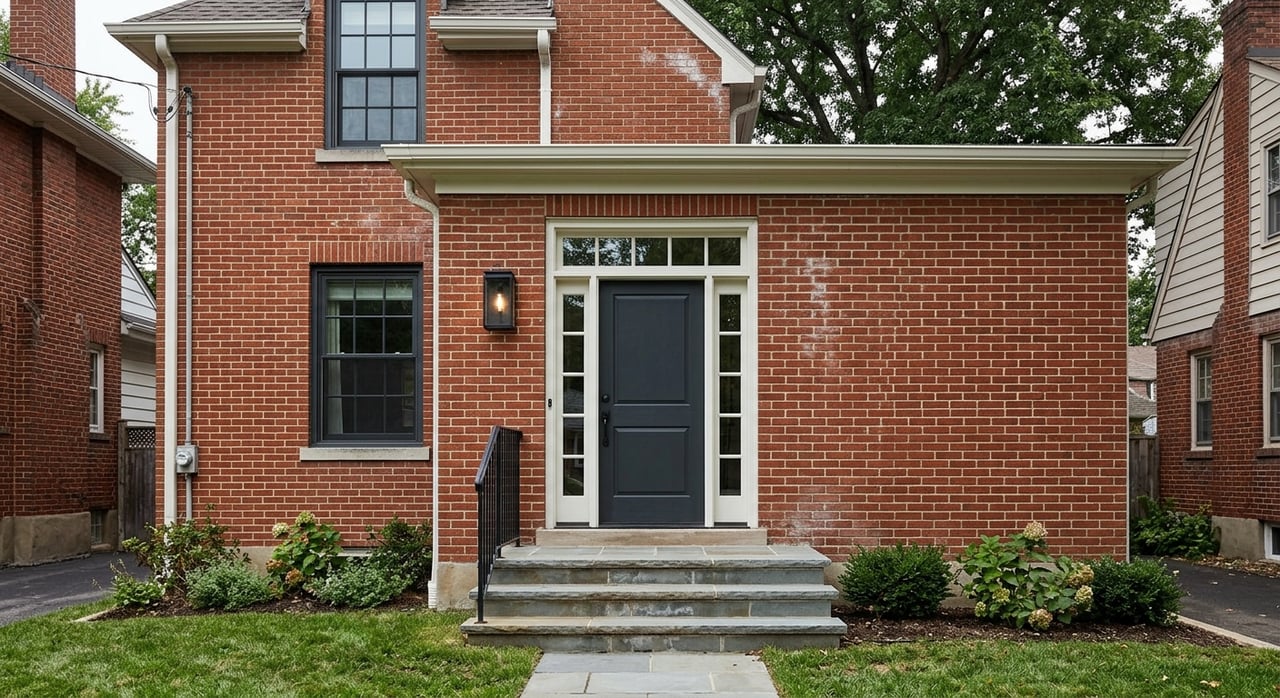
If you are planning to list your Pittsburgh home in just 30 days, the good news is you do not need a full remodel to make a strong impression. In a market where homes sold in about 101 days in February 2026, the median sale price was $232,882, and the average sale-to-list ratio was 94.6%, buyers are paying attention to value, condition, and presentation. With a focused plan, you can spend your time where it matters most and avoid last-minute projects that add stress without adding much return. Let’s dive in.
Why one month matters in Pittsburgh
Pittsburgh is still a somewhat competitive market, but it is not a market where most homes sell instantly. According to Redfin’s Pittsburgh housing market data, only 10.1% of homes sold above list price in February 2026, while 15.6% had price drops. That means buyers often have options, and sellers benefit from strong prep and realistic pricing.
Pittsburgh also has an older housing stock than many markets. Redfin found that the median Pittsburgh home bought in 2024 was 68 years old, which helps explain why buyers may notice deferred maintenance, aging systems, and visible wear more quickly. In a city full of character homes, the goal is not perfection. It is showing buyers that your home has been cared for.
Focus on high-impact prep
If your listing date is a month away, the smartest strategy is usually not a major renovation. The National Association of Realtors seller prep guide notes that sellers are not required to make cosmetic updates, but cleaning, decluttering, improving curb appeal, and refreshing key surfaces can improve how a home looks in person and in photos.
That is especially true in Pittsburgh, where many homes have original features, older systems, and room-by-room wear that buyers can spot quickly. A disciplined plan built around cleaning, small repairs, staging, and pricing will usually serve you better than trying to squeeze in permit-heavy work on a tight timeline.
Week 1: Declutter and take inventory
Your first week should be about creating a clean baseline. Remove excess furniture, clear countertops, pack away personal items, and simplify storage areas so your home feels more open and easier to photograph. Buyers often open closets, look into utility areas, and notice whether a home feels calm or crowded.
Deep cleaning also matters more than many sellers expect. NAR recommends cleaning windows, carpets, light fixtures, and walls before listing because these details improve both showings and listing photos. If you are short on time, hiring help for a full-house clean can be one of the most practical investments you make.
This is also the right time to gather paperwork. Pull together appliance manuals, furnace information, warranties, and any service records you have. NAR recommends locating these items early so you are not scrambling once your home is on the market.
Make a repair and disclosure list
As you declutter, create a simple running list of anything that is broken, worn, or worth flagging. Think loose hardware, chipped paint, slow drains, burned-out bulbs, sticky doors, cracked caulk, or a handrail that needs tightening. These are often the kinds of details buyers notice right away.
Pennsylvania also requires sellers to disclose all known material defects that are not readily observable. The state’s seller property disclosure requirements make clear that the disclosure form is required in most sales and is not a replacement for a buyer’s inspection. Starting your list early gives you time to decide whether to repair an issue, disclose it, or factor it into pricing.
Consider a pre-sale inspection
A pre-sale inspection is optional, but it can be useful if you want fewer surprises later. NAR notes that a pre-sale inspection may uncover concerns with the structure, roof, exterior, plumbing, electrical, or heating and cooling systems before your home goes live.
For older Pittsburgh homes, that extra lead time can be valuable. If an issue comes up, you can decide whether to address it, disclose it, or adjust your pricing strategy before a buyer uses it in negotiations.
Week 2: Handle easy repairs and curb appeal
Once the house is clean and your to-do list is clear, move into small repairs and visual refreshes. This is the week to patch nail holes, touch up paint, replace missing bulbs, tighten loose handles, refresh caulk, and clean up areas that show daily wear. These fixes are relatively low cost, but they help your home feel cared for.
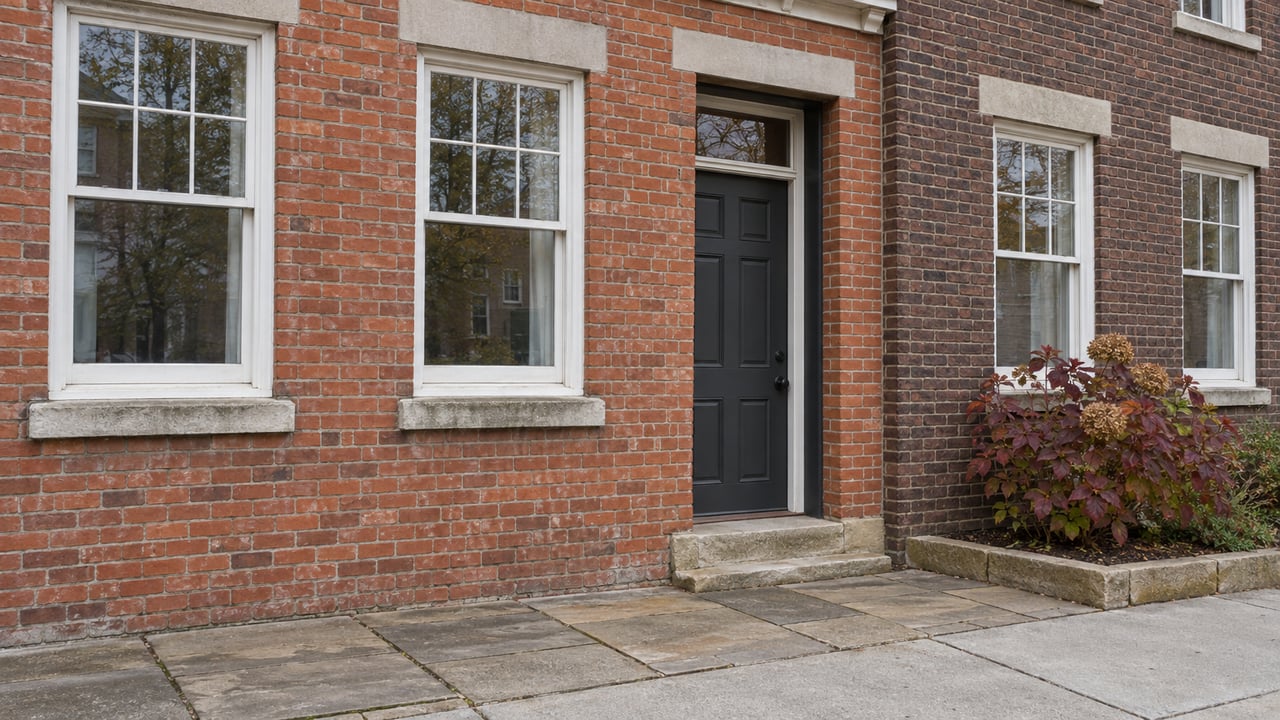
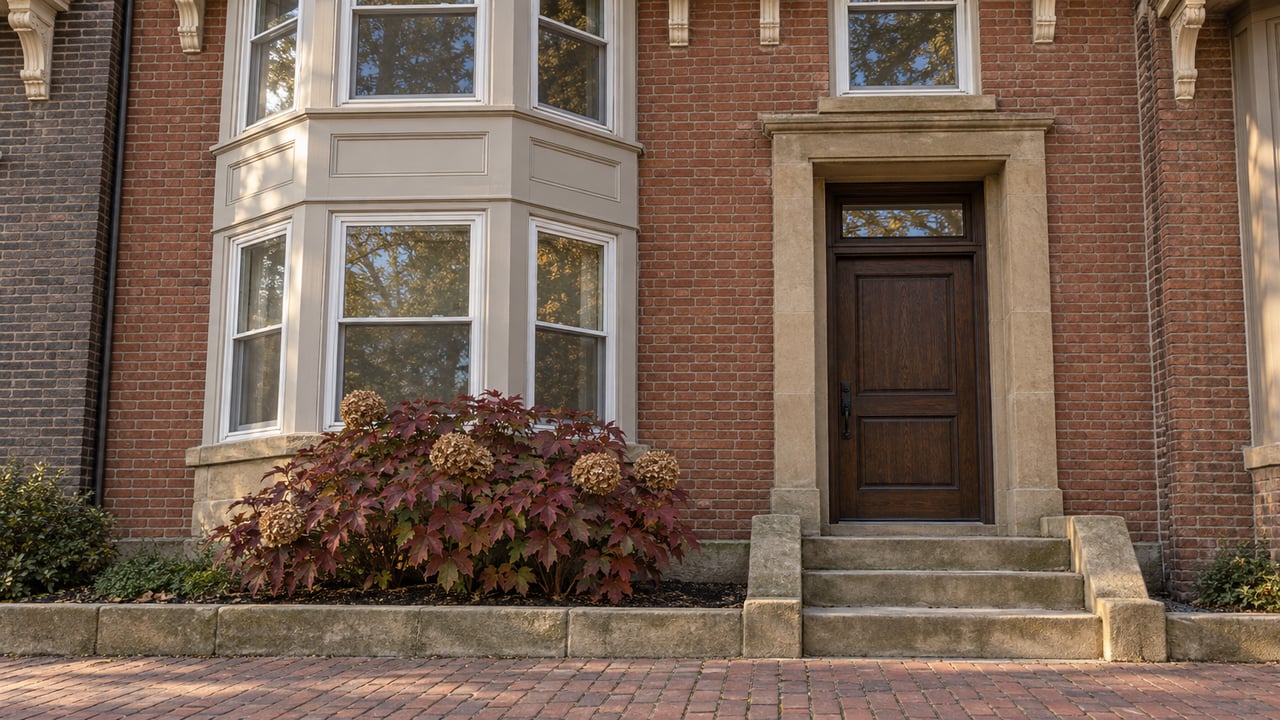
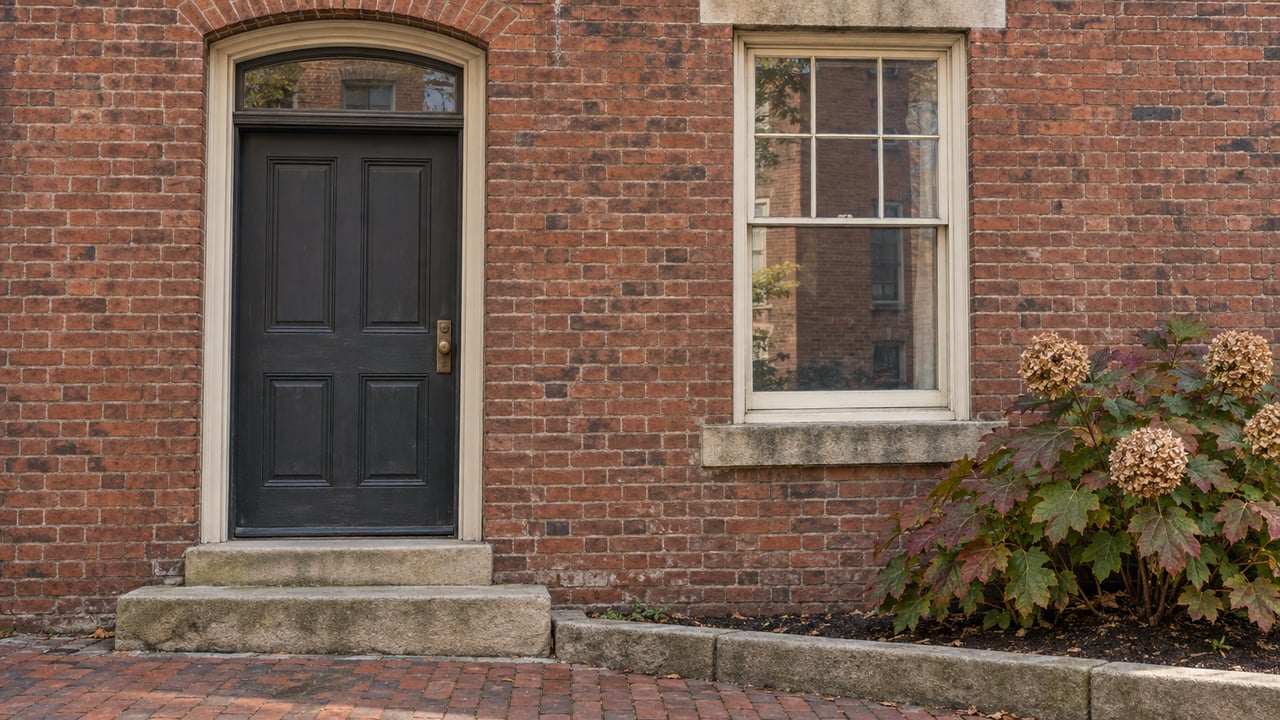
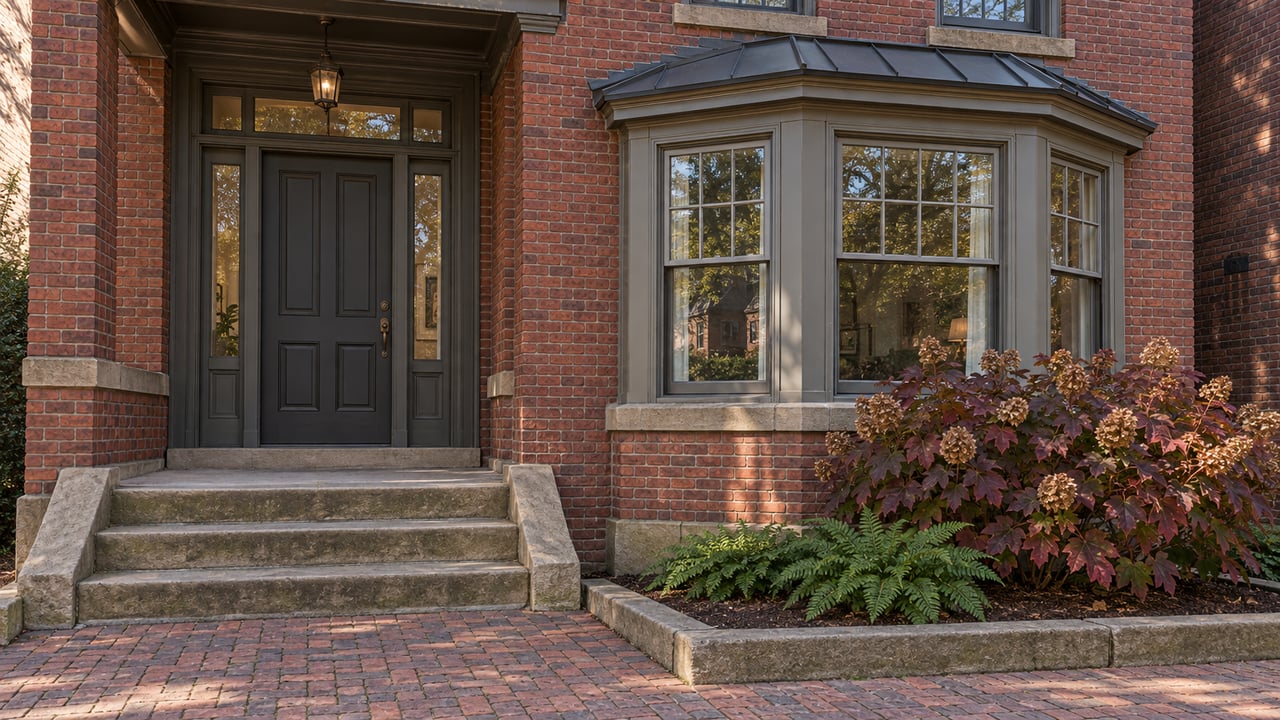
Curb appeal also deserves attention because it shapes the first impression before buyers ever walk inside. NAR specifically highlights landscaping, the front entrance, and paint touch-ups as practical ways to improve appearance. In Pittsburgh, that might mean trimming shrubs, sweeping steps, clearing leaves, refreshing mulch, or painting a worn front door.
Skip major projects with permit risk
A 30-day prep window is usually the wrong time to launch a major system upgrade or renovation unless there is a clear safety reason to do so. The City of Pittsburgh permit rules require permits for many types of construction, alteration, repair, demolition, and trade work. Allegheny County plumbing requirements also note that plumbing work needs a permit and approved plan before work begins.
That does not mean you should ignore serious issues. It means you should be careful about starting work that can create delays, scheduling challenges, or unfinished projects right before listing. In most cases, visible, low-friction improvements are a better use of your time.
Week 3: Stage key rooms and schedule photos
By week three, your home should be clean, repaired, and ready to present well. Now it is time to focus on the rooms buyers tend to notice most. According to NAR’s 2025 staging report, the most important rooms to stage are the living room, primary bedroom, and kitchen.
You do not always need full-service staging to make progress. The same report found that 29% of agents said staging increased the dollar value buyers offered by 1% to 10%, and 49% said staging reduced time on market. It also reported a median staging-service cost of $1,500, or $500 when the seller’s agent handled staging, which is a useful benchmark if you are trying to keep prep costs in check.
Keep staging simple and intentional
Your goal is not to make the home look overly designed. It is to help buyers understand the space, scale, and function of each room. In practice, that often means:
- Removing oversized furniture
- Creating clear walking paths
- Using light, neutral bedding and towels
- Limiting countertop items in the kitchen and baths
- Adding simple touches like fresh pillows, a lamp, or a clean dining setup
If you have a distinctive Pittsburgh property, whether it is a classic brick home, a condo with city views, or an architecturally unique residence, thoughtful staging can also help highlight the features that make it memorable.
Schedule photography after prep is done
Photos matter, and they work best when cleaning and staging are already complete. NAR’s home marketing guide notes that MLS exposure usually provides the broadest reach, and both NAR’s marketing and staging guidance reinforce how important photos are to buyers.
That means photography should not be rushed. Wait until the home is fully camera-ready, then schedule photos, video, or virtual-tour assets so your listing launches with its strongest visual presentation.
Week 4: Price strategically and prepare to launch
The final week is about bringing the whole plan together. At this stage, your home should be clean, repaired, staged, and documented. Now you can focus on pricing, listing preparation, and showing readiness.
In Pittsburgh’s current market, pricing discipline matters. With an average sale-to-list ratio of 94.6% and a meaningful share of listings taking price drops, the right list price can shape both buyer interest and your negotiating position. A finance-first pricing strategy can help you avoid the common mistake of overshooting the market and losing momentum early.
Get ready for showings
Before launch, create a practical routine for keeping the home ready. That may include:
- A quick daily wipe-down of kitchen and bath surfaces
- Laundry and personal items stored out of sight
- Pet items minimized where possible
- Window shades and lighting adjusted for a bright feel
- A basket or bin for last-minute clutter before leaving
NAR also notes that an open house held the weekend after your home goes on the market can help maximize exposure. If that is part of your plan, use the final week to think through parking, entry flow, and how to keep the house looking consistent for the first several days on market.
A simple 30-day checklist
If you want the short version, here is the one-month plan:
| Week | Priority | Main Goal |
|---|---|---|
| Week 1 | Declutter, deep clean, gather records | Create a clean baseline and identify issues |
| Week 2 | Small repairs and curb appeal | Improve visible condition and first impressions |
| Week 3 | Stage key rooms and book media | Strengthen photos and buyer appeal |
| Week 4 | Price, list, and prep for showings | Launch with a polished, realistic strategy |
The goal is confidence, not chaos
Selling in a month can feel intense, especially if you are balancing work, family, or a relocation timeline. The good news is that most Pittsburgh sellers do not need a dramatic overhaul. They need a smart sequence, realistic priorities, and a plan that respects both the market and the age of the home.
At Black Key Partners, the process is designed to be hands-on, analytical, and efficient for busy sellers who want clear guidance without wasted motion. If you are getting ready to list, Kevin C. Schwarz, Real Estate Agent can help you build a prep strategy, price with discipline, and bring your home to market with confidence.
FAQs
How long does it take to sell a home in Pittsburgh right now?
- In February 2026, homes in Pittsburgh sold in about 101 days on average, according to Redfin.
What should I fix before selling a Pittsburgh home in one month?
- Focus first on decluttering, deep cleaning, small cosmetic repairs, curb appeal, and key rooms like the living room, primary bedroom, and kitchen.
Do I need to renovate my Pittsburgh home before listing it?
- No. NAR says cosmetic updates are not required, and in a short timeline, visible low-friction improvements usually make more sense than major remodels.
Should I get a pre-sale inspection before listing a home in Pittsburgh?
- A pre-sale inspection is optional, but it can help you identify issues early and decide whether to repair them, disclose them, or price around them.
What defects do Pennsylvania home sellers need to disclose?
- Pennsylvania sellers generally must disclose known material defects that are not readily observable, unless a specific exception applies.
Are permits required for repair work before listing a Pittsburgh home?
- Many types of construction, repair, and trade work in Pittsburgh require permits, so major projects are usually a poor fit for a 30-day listing timeline unless they are essential.
What rooms matter most when staging a home for sale in Pittsburgh?
- NAR says the living room, primary bedroom, and kitchen are the most important rooms to stage.
When should I schedule listing photos for my Pittsburgh home?
- Schedule photography after cleaning, repairs, and staging are complete so your home is fully ready for MLS and marketing materials.