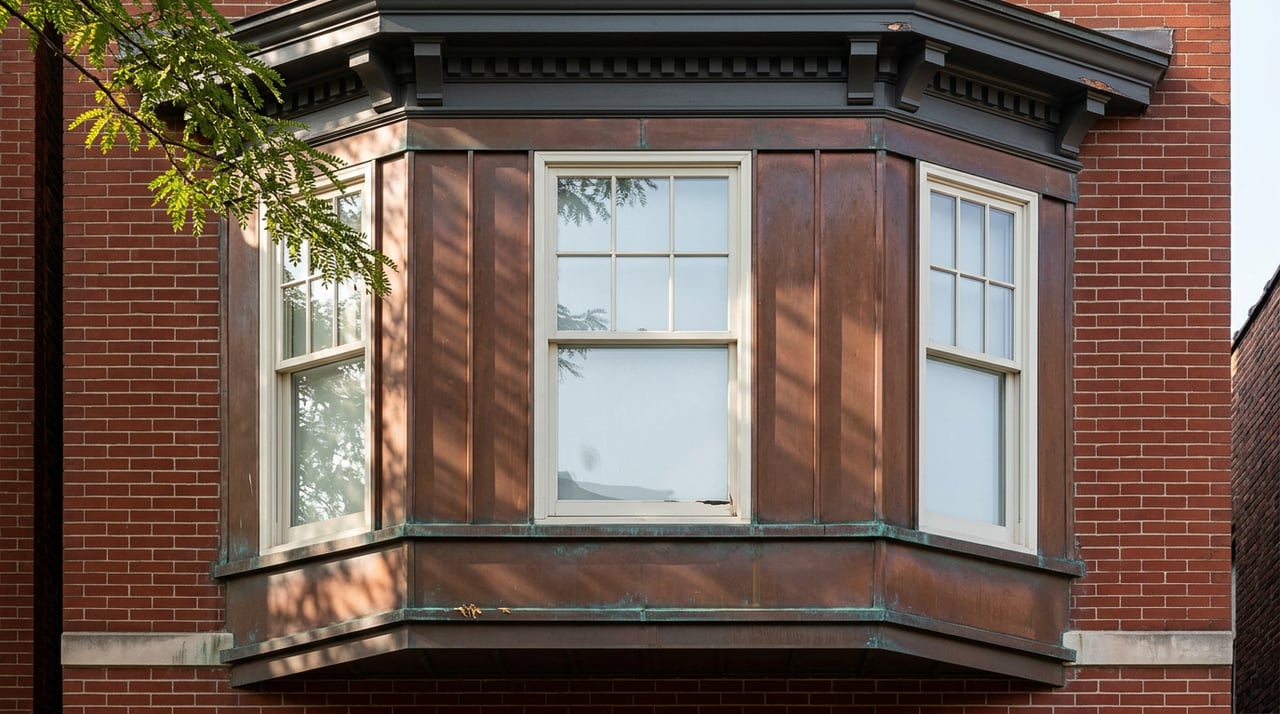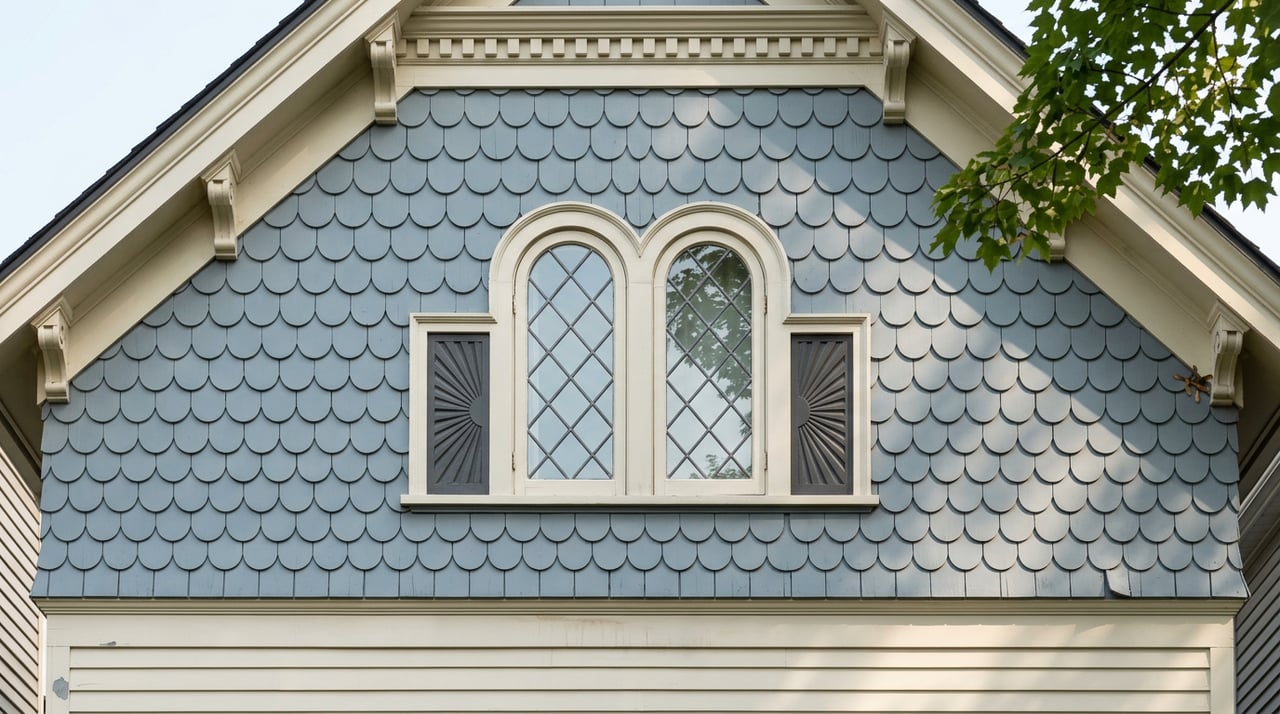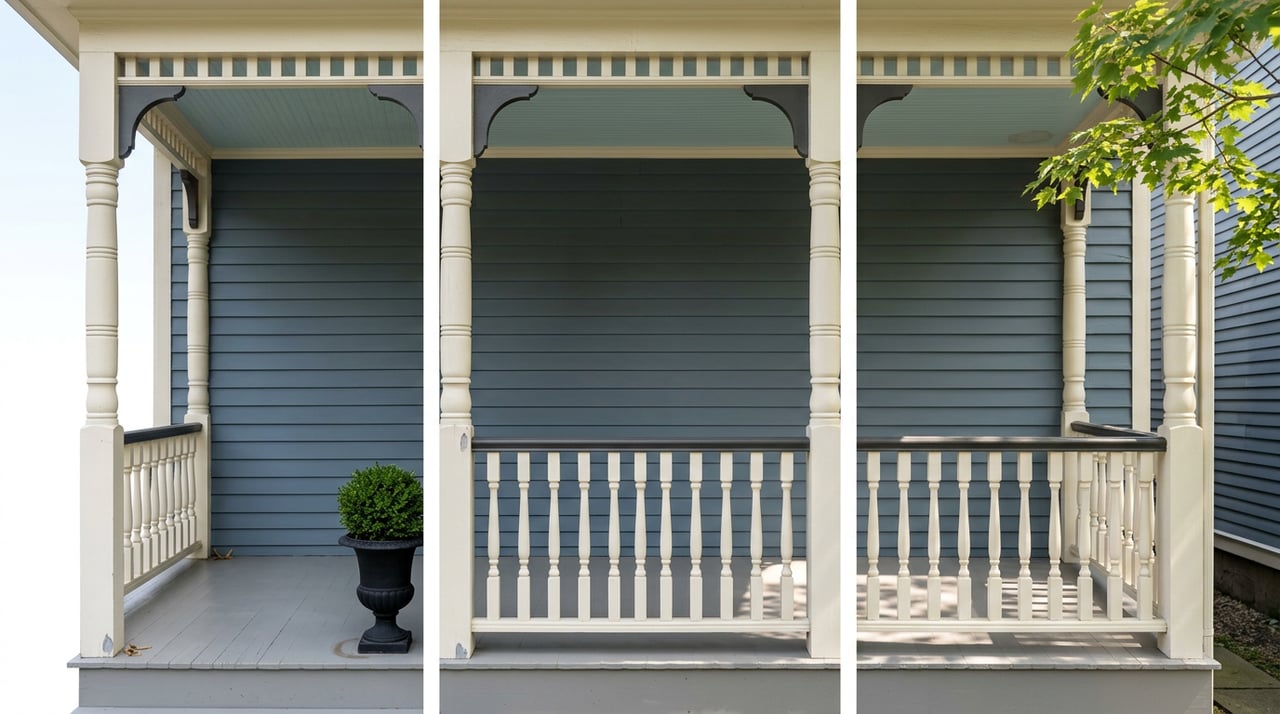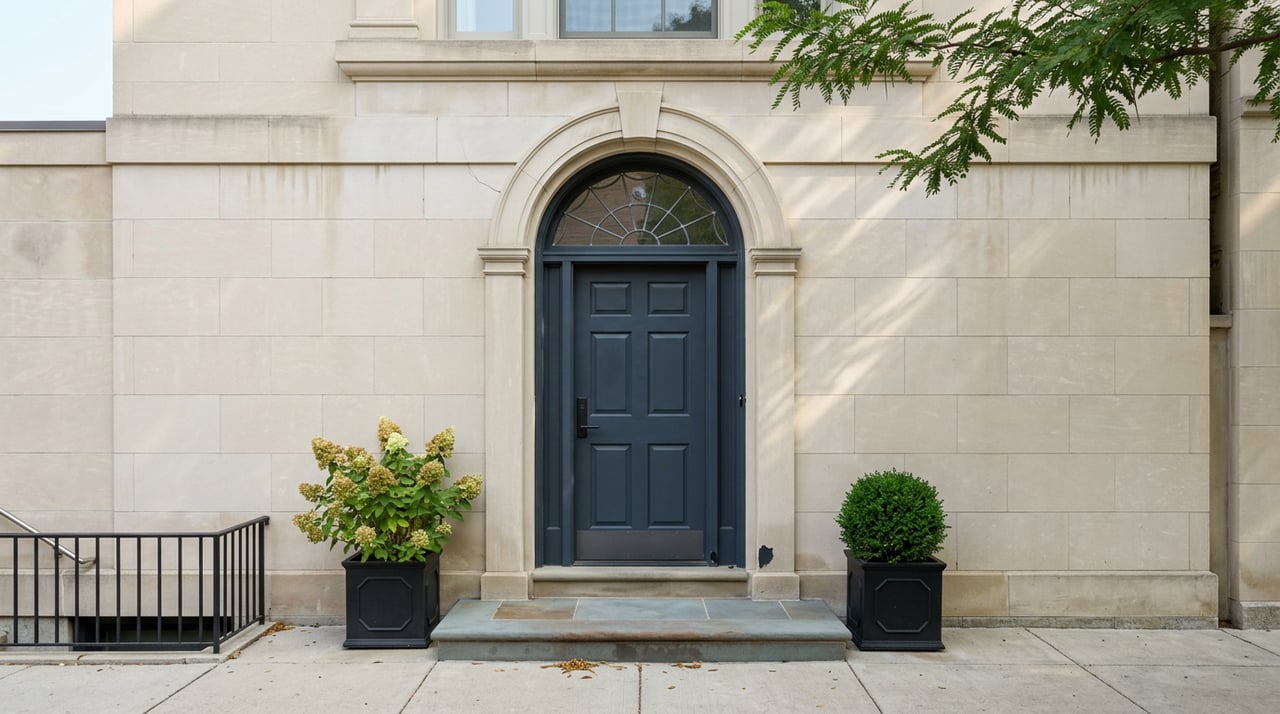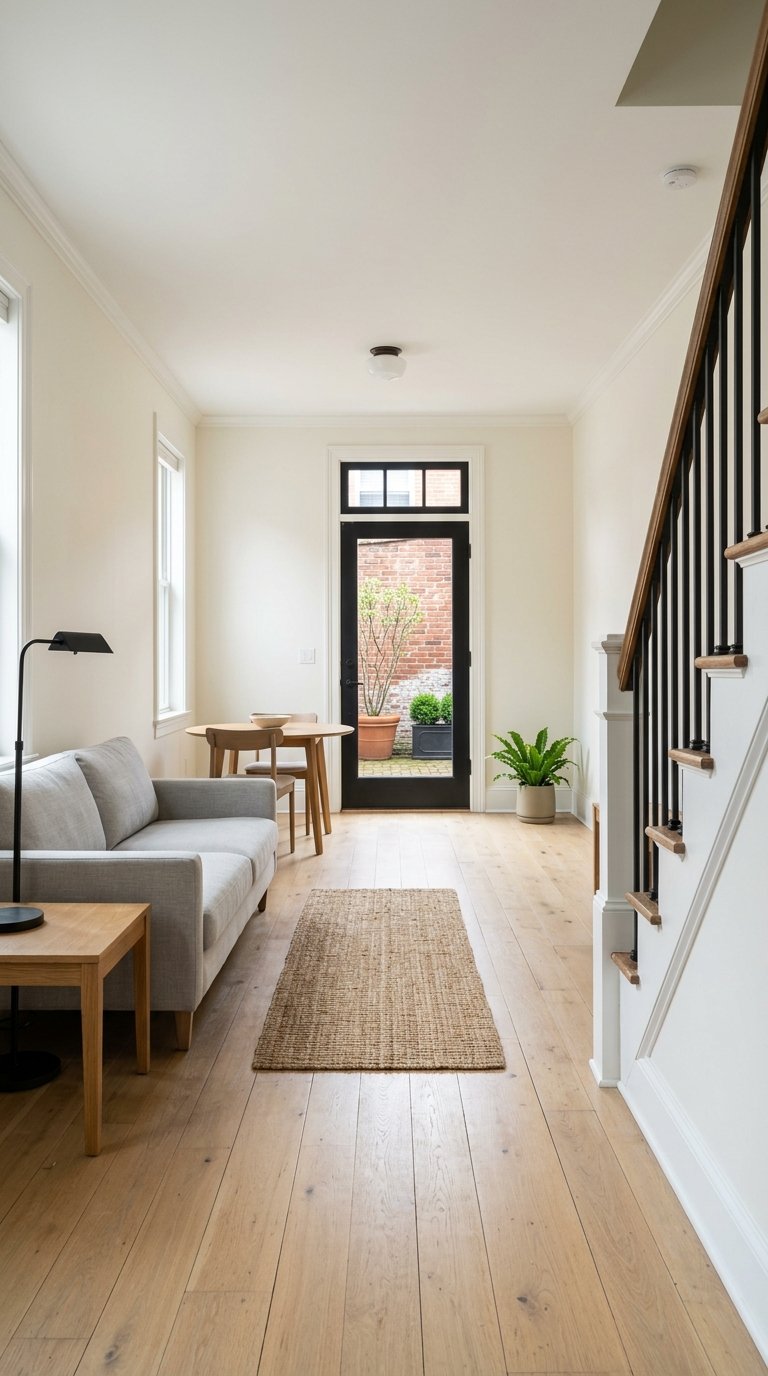
Looking at Pittsburgh rowhouses or townhomes and wondering what’s behind those classic brick facades? You’re not alone. If you’re coming from out of town, the layout, parking, and permit rules on compact city lots can feel unfamiliar. This quick guide shows you what to expect on tours, what to verify before you write an offer, and how to avoid common surprises. Let’s dive in.
Pittsburgh rowhouse basics
In Pittsburgh, a rowhouse or attached townhome is a single-family home that shares party walls with neighbors. Many were built in the late 19th and early 20th centuries and carry distinct historic details. You’ll find them across neighborhoods like Lawrenceville, Bloomfield, and the South Side, with new infill versions appearing on narrow lots. To see how this housing type fits the city’s history and streetscapes, explore local context from the Pittsburgh History & Landmarks Foundation.
- Learn more about the typology: rowhouse context from PHLF
Floor plans and dimensions you’ll see
Expect compact footprints that rely on vertical living. Many homes are narrow, commonly around 16 to 18 feet wide, and run deep on the lot. That means a main living level up front, bedrooms upstairs, and basement or garden space below.
- Narrow-lot example perspective: Pittsburgh’s 16-foot townhouse
Inside, older plans often place the parlor or main living room on the entry level with higher ceilings. Kitchens were historically at the rear or on the garden level, though many renovations bring the kitchen to the main floor for light and flow. Upper floors hold bedrooms and baths, and attics are sometimes finished as bonus rooms. Basements are common and may be used for storage or living space; any conversion to legal living space needs proper egress and permits.
Outdoor space on small lots
Small rear yards and patios are typical, sometimes just deep enough for a grilling area and planting strip. Many blocks also include rear alleys that provide service access, and some homes add a small garage or parking pad there. Rooftop and rear-deck additions are popular upgrades, but if the home sits in a local historic district and the deck is visible from the street, you’ll likely need a Certificate of Appropriateness before you pull a building permit.
- See the city’s historic district guidance: Historic Review Commission guidelines
Parking on tight blocks
Many rowhouses do not have off-street parking. On-street parking can be metered near commercial corridors or governed by neighborhood programs. In Lawrenceville, for example, the neighborhood has actively discussed a Mobility Enhancement District near Butler Street to manage parking and curb use.
- Local context: Lawrenceville Mobility Enhancement District FAQ
If you see a listing with a garage, parking pad, or curb cut, confirm that it is legal and permitted. The City’s Department of Mobility and Infrastructure requires a curb-cut permit and has design standards that cover things like sidewalk grade and ADA rules. Creating a new driveway or curb cut always needs a permit and inspections, so build that time into your plan.
- Curb-cut rules and permits: City curb-cut information sheet
Permits, zoning, and historic review
Pittsburgh updated minimum lot-size rules in 2025 to make infill on small lots easier. These changes reduce lot-area barriers in many residential subdistricts and can help if you are considering an accessory dwelling unit or an addition. That said, the reforms do not replace parcel-by-parcel approvals. Always verify your property’s current zoning and whether your intended project is permitted or needs a variance.
- Policy background: Minimum lot size legislation
If the property is in a locally designated historic district or is a landmark, exterior changes visible from the street typically require a Certificate of Appropriateness from the Historic Review Commission before building permits are issued. This can affect window replacements, masonry work, stoops, rooftop features, and decks.
- Historic process overview: HRC guidelines and procedures
Utilities and inspections to prioritize
Two water and sewer items are unique must-knows in Pittsburgh. First, sellers must have a current Evidence of Compliance Certificate, also called the dye test, that verifies stormwater is not illegally tied into the sanitary sewer. Ask for a recent certificate or plan for corrective work if it is not current.
- Requirement details: PWSA Evidence of Compliance (dye testing)
Second, the private sewer lateral from the house to the public main is usually the homeowner’s responsibility. A failing lateral can be costly, so include a camera scope in your due diligence and budget accordingly.
- Ownership responsibilities: PWSA pipe ownership
Beyond sewer, look closely at roof age and flashing, signs of water intrusion in basements, electrical capacity and wiring type, and the condition of heating and cooling systems. Ductless mini-split heat pumps are a common retrofit for narrow, multi-level homes where ductwork is limited. In historic districts, you may be guided to repair original windows with weather-stripping or storms rather than replace them if they face the street.
Neighborhood snapshots: how it plays out
Lawrenceville. Butler Street anchors the commercial corridor, and nearby blocks can have tighter on-street parking, especially near shops and restaurants. Expect a mix of historic rowhouses and renovated interiors, with active local conversations about curb use and parking management.
Bloomfield. You’ll see a blend of narrow brick rowhouses and modest single-family homes on compact lots. Buyers often prioritize walkability and access to everyday amenities.
South Side (Flats and Slopes). The Flats contain dense brick rows close to the river and East Carson Street activity. Portions near the river are in low-lying areas, so check flood maps for any river-adjacent parcel. The Slopes bring elevation, stair streets, and retaining walls that may require periodic maintenance.
Check flood zones: FEMA Flood Map Service Center
Quick tour checklist
Use this on your phone when touring a rowhouse or townhome:
- Is there a current Evidence of Compliance Certificate (dye test)? If not, who will complete it and when?
- Has the private sewer lateral been scoped? Where is the cleanout and are there any recent repair invoices?
- Were major renovations permitted and finaled? If in a historic district, is there Certificate of Appropriateness documentation for visible exterior work?
- What is the parking situation on the block and for guests? If there is a garage or pad, is the curb cut permitted and compliant?
- How old are the roof, windows, and mechanicals? Any recent service records?
- Do attic and basement areas have proper egress if counted as living space?
Renovation timing and soft costs
If you plan visible exterior work in a historic district, build in time for the Historic Review Commission schedule before you apply for building permits. Curb work and new driveways require DOMI permits and inspections, which also adds time. PWSA dye testing and any related corrective work can affect closing timelines, so confirm status early and keep it within your inspection window.
Ready to tour Pittsburgh’s attached homes with a clear plan? Get concierge-level guidance that saves time and reduces risk. Connect with Kevin C. Schwarz, Real Estate Agent for a focused strategy on rowhouses, townhomes, and compact city lots, including streamlined support for relocations.
FAQs
What is Pittsburgh’s dye test and why does it matter?
- It is an Evidence of Compliance Certificate that confirms stormwater is not illegally connected to the sanitary sewer. Sellers must obtain it before closing, and it can trigger repairs.
How do I verify if a parking pad or curb cut is legal?
- Ask for the curb-cut permit number and any DOMI inspection records. If the seller cannot provide them, plan to verify with the city before you waive contingencies.
Can I add a roof deck on a historic rowhouse?
- If the deck is visible from the public way and the home is in a local historic district, you likely need a Certificate of Appropriateness before pulling a building permit.
Do Pittsburgh’s new lot-size rules let me build an ADU on a small lot?
- The 2025 reforms reduced some minimum lot-size barriers, but you still must confirm your zoning subdistrict and whether your specific plan is permitted or needs a variance.
What home features are most costly to fix in older rowhouses?
- Sewer laterals, roofs and chimneys, water intrusion in basements, outdated electrical systems, and major HVAC changes tend to be higher-ticket items.
Are South Side Flats homes in a flood zone?
- Some river-adjacent areas are low-lying. Always check FEMA flood maps for the specific parcel and factor flood insurance into your decision if applicable.