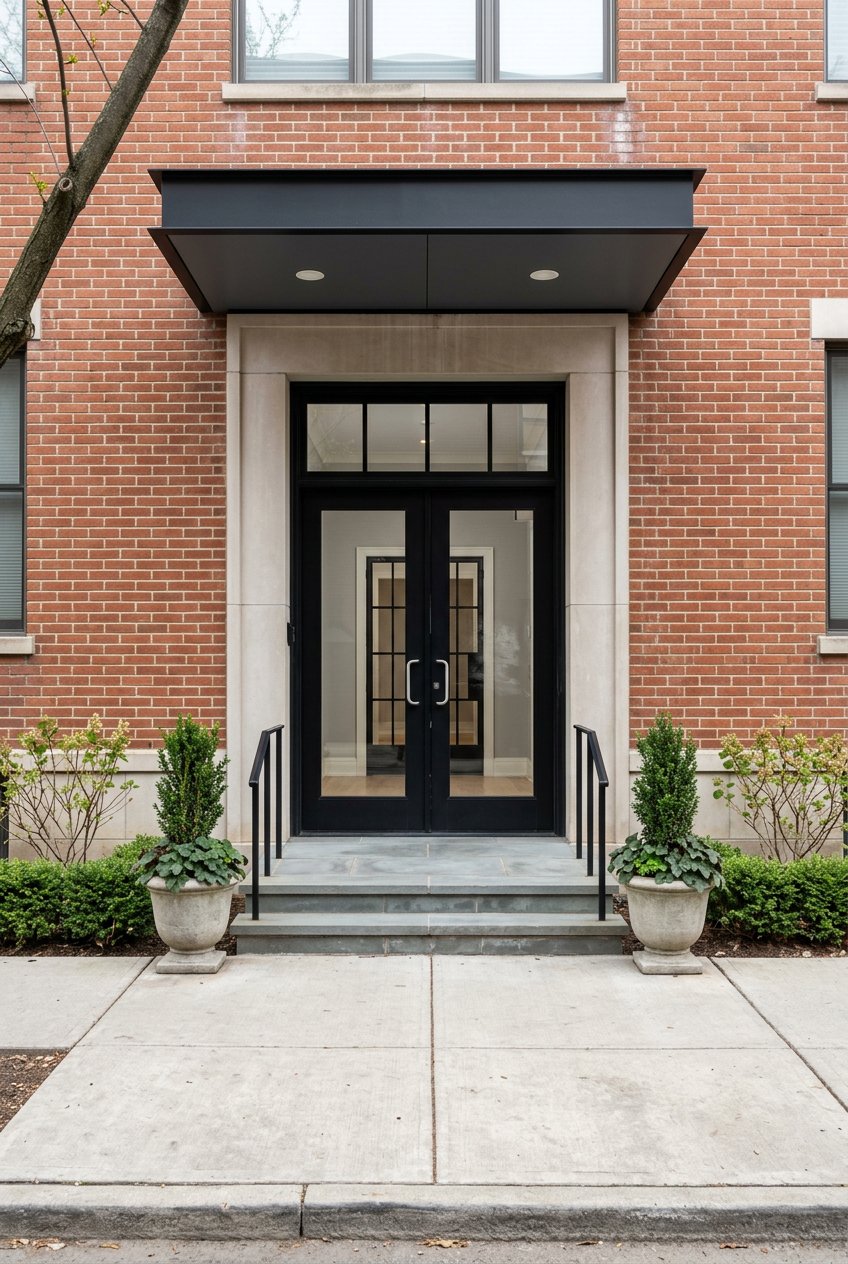
Trying to decide where condo living fits you best in Pittsburgh? You are not alone. The city offers several walkable, low-maintenance options, and each neighborhood delivers a different rhythm, amenity set, and budget profile. In this guide, you will compare Downtown, the Strip District, Lawrenceville, and Shadyside so you can match lifestyle with carrying costs and long-term value. Let’s dive in.
How to choose your condo spot
Start with how you live day to day. If you want to walk to work, restaurants, or the theater, weigh neighborhoods with the highest walkability and transit access. You can compare exact addresses using the city page on Walk Score’s Pittsburgh map.
Parking and storage matter in resale. In many Pittsburgh buildings, units with deeded parking sell faster and help protect value compared to units that rely on street or rented spaces. Local coverage and listings often highlight deeded parking as a premium feature that supports resale velocity (example coverage of a Lawrenceville condo).
Budget beyond the mortgage. Your total monthly cost includes HOA fees, insurance, and property taxes. Associations typically fund operations and future capital needs through reserves, and stronger reserves reduce special assessment risk. The Community Associations Institute explains how healthy budgets and reserves work and what to ask for before you buy (CAI resource hub).
Local taxes also shape carrying costs. Allegheny County updated its approach to property taxes in 2025, which affected bills for many owners. Plan ahead by estimating county, municipal, and school district taxes together and confirming millage rates with the treasurer’s office (Axios overview).
Downtown Pittsburgh: full-service convenience
If your priority is to walk to cultural venues, stadiums, and core offices, Downtown delivers the densest mix of amenities and transit. Residents who value turn-key living and short commutes often choose the Golden Triangle and the Cultural District. A recent overview of Downtown living underscores how walkability and cultural access drive demand (Downtown living overview).
You will find historic loft conversions, boutique buildings, and full-service towers. Common amenities include concierge or 24-hour desk, fitness rooms, rooftop decks, secure garage parking, and in-building storage. The more services and staffing a building provides, the higher the HOA line item typically runs. Local property pages can help you scan what full-service buildings tend to offer (Downtown Partnership directory).
HOA budgets in higher-service buildings often include master insurance, common-area utilities, elevator service, and building maintenance. Smaller conversions may include exterior and grounds care plus shared insurance. Ask whether water and trash are included and whether parking is deeded or rented, since deeded spaces are a meaningful resale asset.
Strip District: market-and-river living
The Strip District blends a lively daytime market scene with growing residential options and quick access to Downtown and river trails. Central addresses score well on walkability and put you near specialty food shops and restaurants.
Most condos here are loft-style conversions or newer mid-rise buildings. Expect features like rooftop terraces, balconies, bike storage, and structured parking in newer developments. Older conversions may rely on street or lot parking, so confirm parking rights and storage early.
HOA fees vary with building age, size, and amenities. When you compare options, look at what the fee actually covers, including water and trash, elevator and garage maintenance, building insurance, and reserves. Private outdoor space and deeded parking often support faster resale in the Strip.
Lawrenceville: creative energy, neighborhood feel
Lawrenceville sits just east of Downtown and offers a strong restaurant and retail spine along Butler Street. It is popular with buyers who want a neighborhood scale and arts-forward energy with good walkability (neighborhood overview).
You will see warehouse and industrial loft conversions, townhouse-style condos, and newer mid-rise infill with elevators and parking. Local coverage of recent listings shows mid-rise HOA fees in the mid-hundreds for some newer buildings, with amenities like rooftop space, security, and off-street parking (Post-Gazette example).
For resale, deeded parking and private outdoor space tend to be strong differentiators in Lawrenceville. Some new projects have marketed property tax abatements in the past. If you see an abatement advertised, verify the specific program and term with the municipality before you price your long-term costs.
Shadyside: boutique, tree-lined ease
Shadyside offers walkable retail on Walnut Street and Ellsworth Avenue, plus proximity to major medical and university employers. It fits buyers who want daily errands on foot and a classic East End streetscape (Shadyside guide).
The condo stock leans toward converted Victorian rowhouses, garden-style condos, and small mid-rise conversions. You will typically see fewer tower-style amenities and more emphasis on location value. HOA fees in small associations can be lower, but they vary based on whether the HOA pays for common utilities or outsources maintenance.
Proximity to hospitals and universities helps sustain year-round buyer interest. If rental flexibility matters for your plan, review association rental rules before you write an offer.
What HOA fees usually include
Most Pittsburgh condo associations budget for common-area utilities and maintenance, building systems like elevators and garage ventilation when present, master insurance, management, and reserve contributions. CAI recommends requesting the current budget, reserve study, and insurance declarations to assess financial health (CAI guidance).
Pennsylvania condos operate under the state’s Uniform Condominium Act, which also shapes association procedures and owner rights. If you see unusual covenants or meeting rules, ask your attorney to compare them with Pennsylvania requirements (statutory reference).
Quick buyer checklist
Use this checklist to stress test a unit’s true low-maintenance profile before you make an offer.
- Request the latest HOA budget and most recent reserve study, and ask about planned capital projects (CAI guidance).
- Get the master insurance declarations page and review HO-6 coverage with your insurance agent to avoid gaps (CAI guidance).
- Review the last 12 months of board meeting minutes for discussions on assessments, repairs, or litigation (CAI guidance).
- Confirm parking rights in writing. Deeded spaces are a notable resale premium in Downtown, the Strip, and Lawrenceville (local example of parking importance).
- Verify any advertised tax abatement with the municipality and model total taxes over the term.
- Compare address-level walkability and transit using Walk Score’s Pittsburgh map.
- Estimate total carrying costs by including current county, municipal, and school district millage rates (Allegheny County tax context).
Which neighborhood fits you
- Downtown: best if you prize top walkability, cultural access, and full-service amenities, and you are comfortable paying for convenience (Downtown living overview).
- Strip District: best if you want a market-and-restaurant scene with quick Downtown access and newer mid-rise options with structured parking.
- Lawrenceville: best if you want a neighborhood feel with a creative edge and a mix of lofts, mid-rise, and townhome-style condos.
- Shadyside: best if you want boutique retail and tree-lined streets with smaller-scale buildings near medical and university employers (Shadyside guide).
Next steps
If you are a busy professional or relocating physician, a focused search can save you weeks. Our team pairs neighborhood mastery with a finance-first review of HOA documents, reserves, parking rights, insurance, and taxes so you can buy with confidence. If you want a tailored condo shortlist and a clear cost model, reach out to Kevin C. Schwarz, Real Estate Agent to Request a Concierge Consultation.
FAQs
What makes condo living work well in Pittsburgh?
- The best fits combine high walkability, reliable building management, transparent HOA budgeting, and deeded parking that supports day-to-day life and resale.
How do HOA fees vary by building and area?
- Fees are building specific and depend on services and amenities. Full-service towers Downtown often cost more per month than small conversions in Shadyside or Lawrenceville.
Why is deeded parking important for resale?
- Deeded spaces can boost buyer demand and pricing because they solve a daily convenience issue and reduce uncertainty compared with rented or street parking.
What should I verify in an HOA before I buy?
- Ask for the budget, reserve study, insurance declarations, and recent board minutes, then review rules on rentals, pets, and renovations (CAI guidance).
How will Allegheny County taxes affect my condo budget?
- Model county, municipal, and school district taxes together. Recent county changes affected many owners, so confirm current millage rates before you finalize a budget (tax overview).