Torn between a condo and a townhome in Pittsburgh? You are not alone. Each option offers a different mix of convenience, control, and cost, and the right fit depends on how you live and what you value day to day. In this guide, you will compare ownership, fees, maintenance, rules, financing, neighborhoods, and resale factors specific to Allegheny County. You will also get a simple checklist to use before you make an offer. Let’s dive in.
Quick definitions in Pittsburgh
What you own in a condo
In a condominium, you typically own the interior of your unit and a shared interest in common elements like the roof, hallways, and grounds. A condo association manages building upkeep, rules, budgets, and a master insurance policy for the structure and common areas. You are usually responsible for interior maintenance and an HO‑6 insurance policy for your finishes, belongings, and liability. Always review the condo declaration, bylaws, rules, and insurance to confirm who handles what.
What you own in a townhome
A townhome is usually fee simple ownership of the structure and the land beneath it. In Pittsburgh, many are attached rowhouses. You often handle both interior and exterior maintenance, including the roof and facade, unless a homeowners association covers some exterior items. Townhomes typically behave more like single-family homes for lending and taxes, though rules can vary if an HOA exists.
Lifestyle and maintenance
Maintenance responsibility
- Condos: Lower day-to-day upkeep because the association handles exteriors and shared systems in many buildings. You trade some control for convenience.
- Townhomes: More responsibility for exterior items like roofs, masonry, and small yards. You gain more autonomy for changes, subject to HOA or historic rules if applicable.
Amenities and rules
- Condos: Often include concierge-style features, security, gyms, or rooftops. Rules can limit alterations, balcony use, and pet or rental policies.
- Townhomes: Fewer shared amenities. Many rely on private garages and small yards. Rules are lighter unless an HOA or historic district applies.
Privacy and noise
- Condos: Shared corridors and elevators are common. Construction quality varies by building, which affects sound transfer.
- Townhomes: You share walls, though end units can offer more light. Expect differences by street and structure age.
Parking
- Condos: May offer assigned spaces or garage options for an added fee. In denser areas, on-street parking can be limited.
- Townhomes: More likely to include a garage or driveway. On-street rules depend on the municipality.
Rentals and short-term rentals
- Condos: Rental caps, minimum lease terms, or bans on short-term rentals are common. Check the bylaws and rules.
- Townhomes: Often fewer association limits, but always verify HOA covenants and city regulations. Registration and local taxes may apply.
Financing, fees, and insurance
Financing differences
- Townhomes: Often financed like single-family homes.
- Condos: Some programs, especially FHA or VA, may require project approval or extra review. Conventional loans are usually more flexible. If you need FHA or VA, verify approval early with a lender that understands Pittsburgh condo projects.
HOA dues and budgets
- Condos: Dues tend to be higher and cover exterior maintenance, building systems, insurance, and amenities. Ask what utilities are included and whether there is a healthy reserve to fund future repairs.
- Townhomes: If an HOA exists, dues are often lower and focus on common areas or limited services. Without an HOA, budget for exterior repairs yourself.
Key documents to request include current budgets, reserve studies, year-to-date financials, and special assessment history. Strong reserves reduce the risk of surprise assessments.
Insurance basics
- Condos: Owners typically carry an HO‑6 policy for interiors, personal property, liability, and loss assessment. Review the association master policy to understand what it covers and the deductible.
- Townhomes: Owners generally carry an HO‑3 or HO‑5 policy that covers both the structure and personal property. If you are responsible for the exterior, confirm your policy limits and deductibles.
Taxes and assessments
Property taxes are set by Allegheny County and the municipality. Bills depend on assessed value and local millage rates. Verify current rates and how the condo declaration allocates assessments, then confirm expected taxes with your agent or tax professional.
Where each shines in Pittsburgh
Condo hot spots
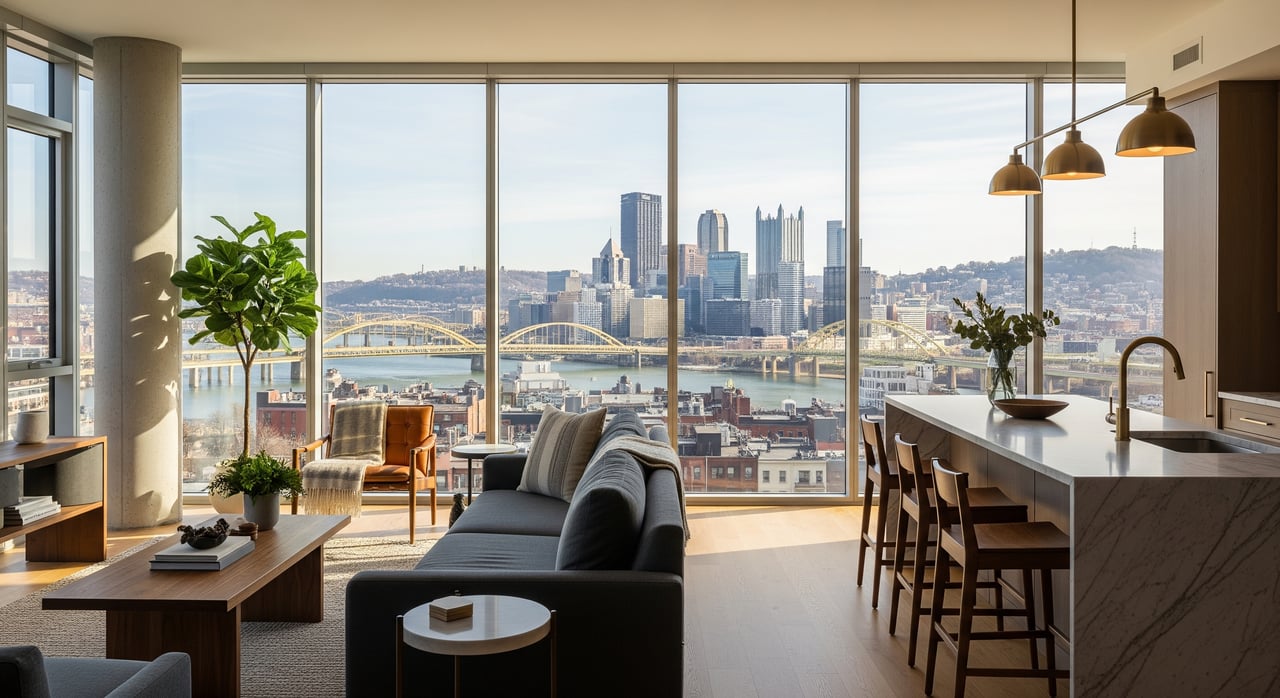
You will see the most condo options in Downtown and the North Shore, including high-rise and mid-rise buildings with amenities and parking packages. The Strip District, South Side Flats, and pockets near major hospitals and universities also offer loft conversions and smaller condo buildings. Select spots in Shadyside and Uptown attract buyers who want low-maintenance living near work or transit.
Townhome standouts
Townhomes and classic rowhouses are common in Lawrenceville, Bloomfield, Deutschtown and the Mexican War Streets, the South Side Slopes, Shadyside, and Squirrel Hill. Many suburban areas across Allegheny County also feature newer townhome communities that appeal to buyers wanting more space and garages with simpler upkeep. In designated historic districts, exterior changes may require approvals, which can affect your renovation timeline and finishes.
Which fits your life?
- You want low-maintenance living near work or entertainment: A condo can fit well, especially in Downtown, the North Shore, or the Strip District.
- You want more space, a garage, or a small yard: A townhome can serve you better, including options in Lawrenceville, Shadyside, Squirrel Hill, and nearby suburbs.
- You are downsizing: Both can work. Choose based on how much daily maintenance you want and whether you prefer building amenities or private space.
- You are financing with FHA or VA: Confirm condo project approval early, or focus on townhomes to simplify financing.
- You are investing: Check association rental policies and city rules. Condos near hospitals and universities can be attractive, but townhomes can draw longer-term tenants.
Due diligence checklist
For condos
- Condominium declaration, bylaws, rules, and amendments
- Current budget, reserve study, financial statements, and insurance certificates
- Minutes from the last 12 to 24 months of association meetings
- Current owner-occupancy and rental percentages
- Pending or recent special assessments and capital projects
- Any pending association litigation
- Unit owner dues ledger status
- Parking and storage specifics
- FHA and VA approval status if needed
For townhomes
- If HOA exists: CC&Rs, bylaws, budget, reserve details, and rules
- If in a historic district: preservation rules and approval process
- Deed lines, yard boundaries, and maintenance responsibilities
- Recent condition reports for roof, foundation, and masonry
For both
- Pennsylvania seller property disclosures
- Utility and tax bill history
- Building permits and code compliance for past renovations
- Parking, storage, and access details
- Any history of noise, pests, or water intrusion
- Survey or plat if available
Resale and investment notes
Condo resale strength depends on the association’s financial health, reserve levels, rules, owner-occupancy rates, and whether the building qualifies for government-backed loans. Buyers and lenders often dig into those details. Townhomes tend to appeal to a broad buyer pool because of space and private entries, but location and condition remain the biggest price drivers. If you plan to rent, confirm rental caps, minimum lease terms, and city rules for short-term rentals before you buy.
Common pitfalls to avoid
- Skipping the reserve study or budget review. Underfunded reserves can lead to large special assessments.
- Assuming insurance without reading policies. Verify what the master policy covers and any loss assessment exposure.
- Overlooking rental rules. A rental cap or short-term rental ban can change your plans.
- Ignoring historic restrictions. Exterior changes may need approvals in designated districts.
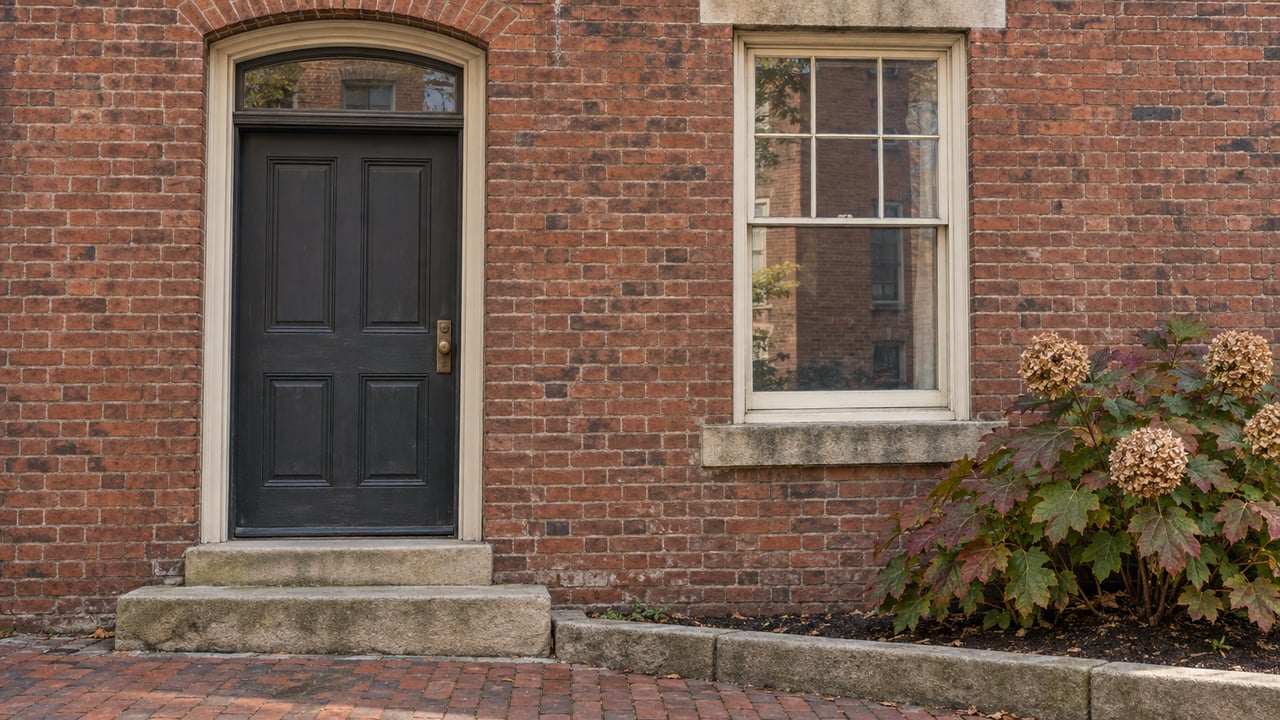
- Underestimating exterior maintenance. Older brick rowhouses often need masonry and roof care.
Next steps
Your best choice depends on your lifestyle, timeline, and financing. A quick consultation can map your needs to the right neighborhoods and buildings, then line up lenders, association documents, and inspections so you can decide with confidence. If you are relocating for a medical or corporate role, ask about concierge support and a streamlined process designed for busy professionals. Ready to compare specific condos and townhomes side by side and run the numbers? Connect with Kevin C. Schwarz, Real Estate Agent for a Concierge Consultation.
FAQs
What are the key ownership differences between condos and townhomes in Pittsburgh?
- Condos typically include ownership of the unit interior and a shared interest in common areas, while townhomes usually provide fee simple ownership of the structure and land.
How do HOA fees differ for condos versus townhomes?
- Condo dues are often higher and cover exterior maintenance, building systems, insurance, and amenities, while townhome dues (if any) tend to be lower and cover limited common areas or services.
What should I know about financing a Pittsburgh condo?
- If you plan to use FHA or VA, confirm the building’s project approval early, or consider conventional financing or townhomes to reduce hurdles.
Who handles insurance in a condo building?
- The association carries a master policy for the structure and common elements, and you carry an HO‑6 policy for your interior finishes, belongings, liability, and loss assessment coverage.
Are rentals or short-term rentals allowed in Pittsburgh condos and townhomes?
- Many condo associations restrict rentals or short-term stays; townhomes may have fewer limits, but always verify HOA rules and city regulations before buying.
How do historic districts affect townhome ownership?
- In designated areas, exterior changes may require approval, which can add time and rules to renovation plans; check district guidelines before committing.
What documents should I review before buying a condo or townhome?
- Request governing documents, budgets, reserve studies, financials, meeting minutes, insurance details, disclosures, and any assessment or litigation information to understand risks and costs.