Wondering which Pittsburgh home style actually fits your life and budget? With choices ranging from classic brick rowhouses to airy lofts, it can be hard to compare everyday tradeoffs like stairs, parking, outdoor space, and maintenance. You want a place that supports your routine and protects your investment. This guide breaks down the city’s most common home types, shows where you’ll find them, and explains what to inspect, budget, and plan for. Let’s dive in.
How styles shape daily life
Before you fall in love with a look, consider these day-to-day factors that differ by home type:
- Stairs and layout: Vertical living in rows and townhomes vs more open floors in lofts and condos.
- Parking: On-street in older areas vs built-in garages in many new townhomes; condo parking varies.
- Outdoor space: Small rowhouse yards vs larger lots in early-20th-century homes; limited private space in lofts and many condos.
- Sound and privacy: Party walls in rows and townhomes, urban activity near mixed-use loft buildings.
- Maintenance: More owner responsibility in houses; shared systems and fees in condos.
Brick rowhouses
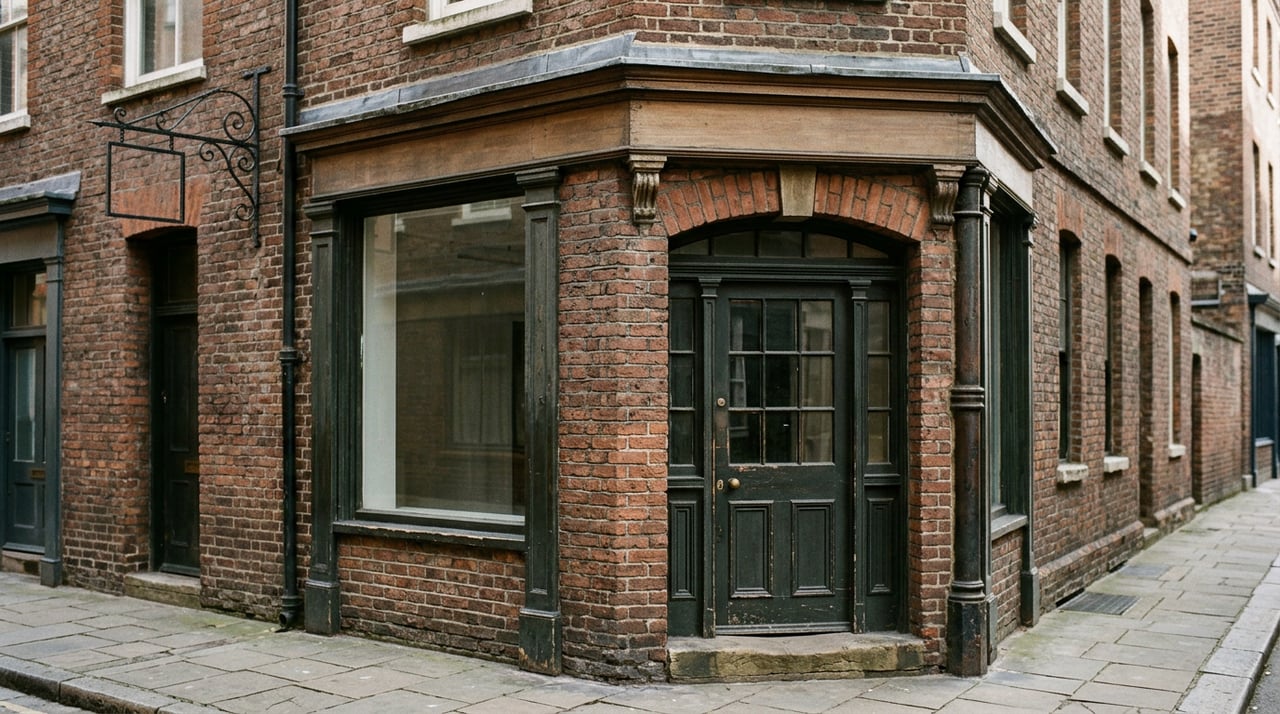
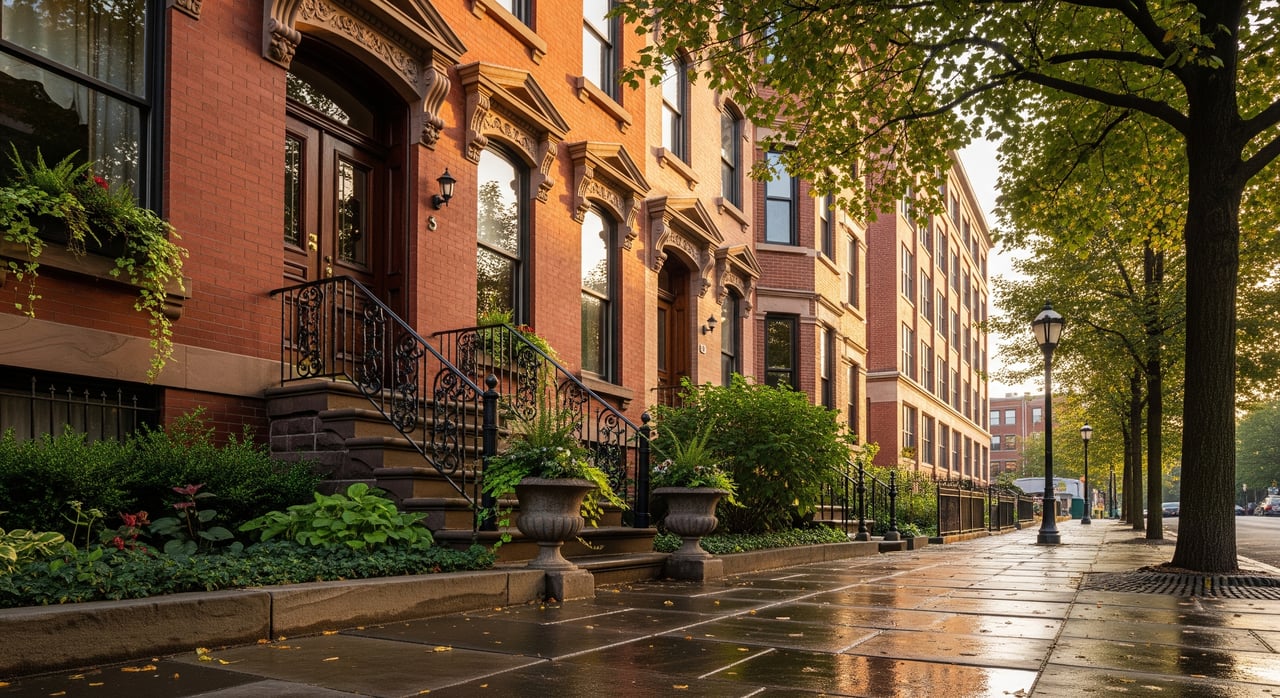
Quick look: Narrow, attached homes from the late 19th to early 20th century with brick facades, 2 to 4 stories, stoops, small backyards, and basements.
Lifestyle: Walkable city living with strong street presence. Expect stairs and compact kitchens in older layouts. Parking is often on-street.
Maintenance watchouts: Masonry repointing, roof and gutter upkeep, parapet and chimney repairs. Older systems can include dated electrical, cast-iron plumbing, plaster, and possible lead paint or asbestos in pre-1978 construction. Basement moisture is common and may need sump pumps or drainage upgrades.
Budget notes: Purchase price can be lower than detached homes of similar size, but historic upkeep and updates add cost. Efficiency improves with system and insulation upgrades.
American Foursquares
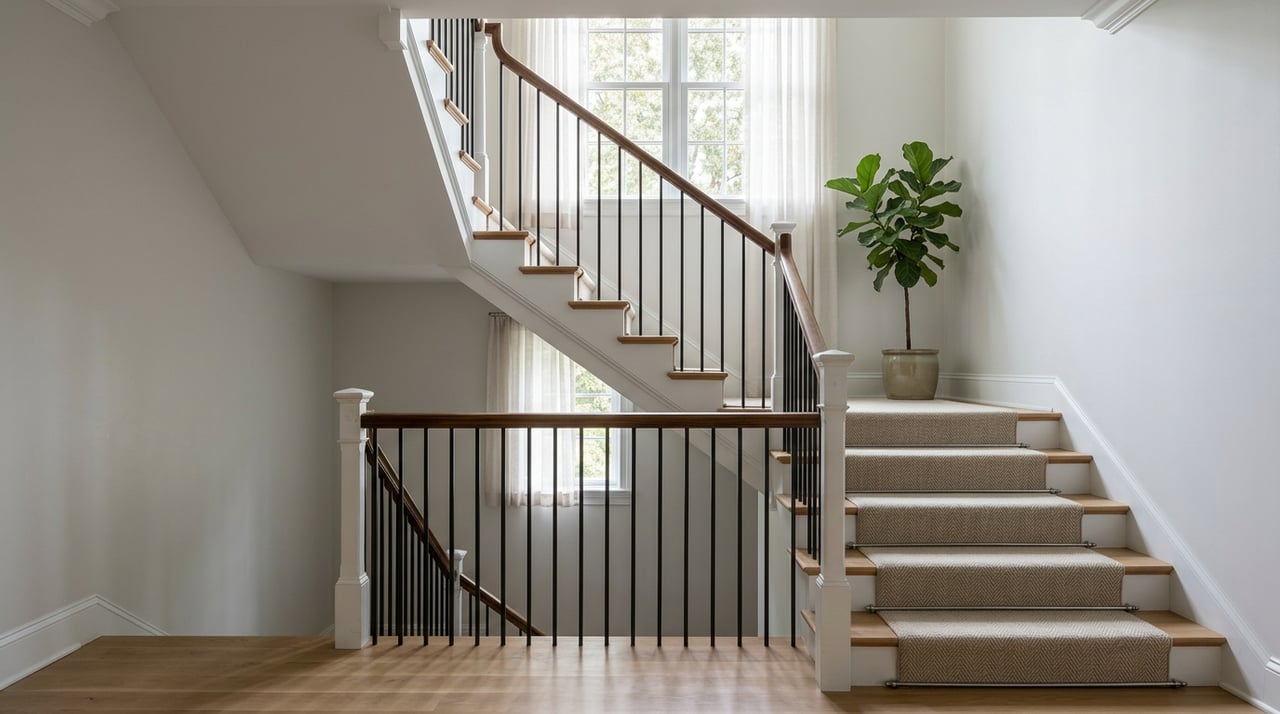
Quick look: Boxy, two to two-and-a-half stories with full-width porches, larger rooms than rows, and full basements and attics. Often built 1890 to 1930.
Lifestyle: More space and private yard. Stairs are present but usually wider and less steep than rows. Good for buyers seeking room to spread out.
Maintenance watchouts: Original windows and woodwork may need restoration. Roof, gutters, and foundation should be checked. Mechanical systems and insulation often need modernizing.
Budget notes: Larger square footage means higher purchase and maintenance costs. Many buyers plan kitchen, bath, and system updates.
Warehouse lofts
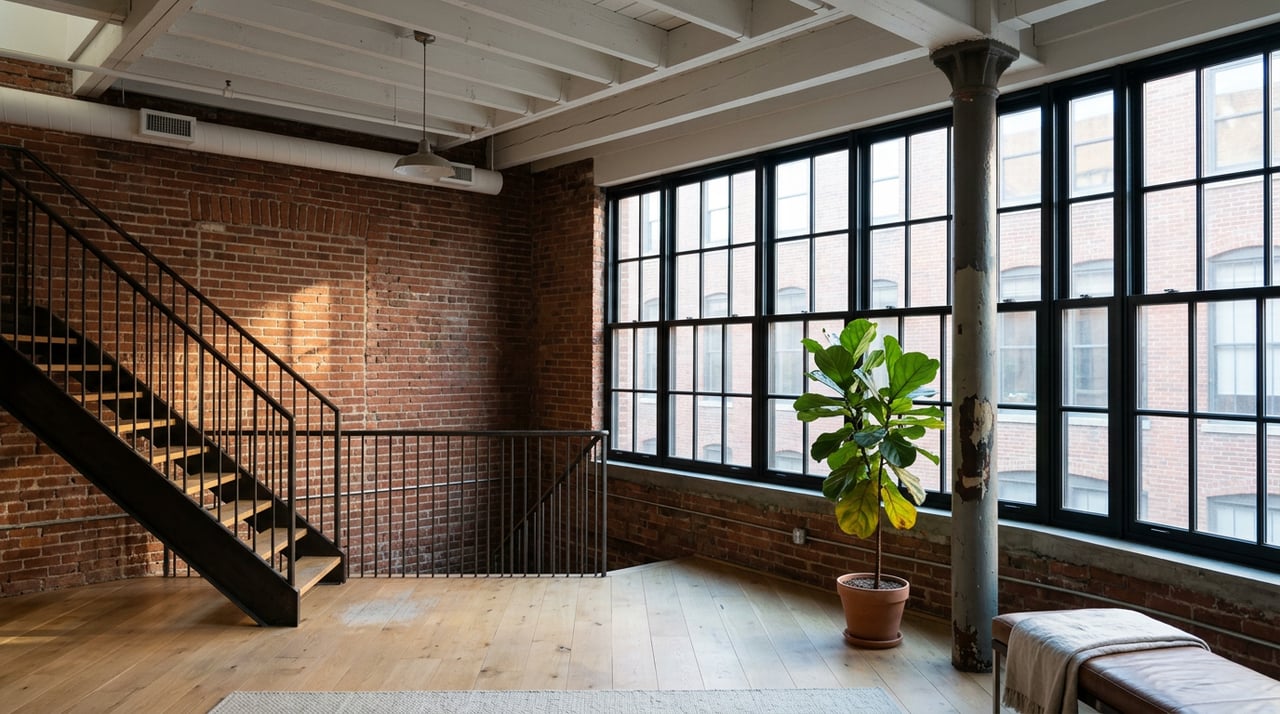
Quick look: Adaptive reuse units with open plans, high ceilings, exposed brick or timber, and large factory windows. Common in historic industrial districts.
Lifestyle: Bold, flexible space and industrial character. Privacy is limited in studio-style layouts. Parking and outdoor space can be scarce, and ground-floor retail can add foot traffic and noise.
Maintenance watchouts: Insulation and window performance vary. HVAC zoning may be limited. Confirm documentation for any environmental remediation in older buildings.
Budget notes: Price per square foot can be higher in popular conversions. Expect HOA or condo fees that fund building systems and common areas.
New-build townhomes
Quick look: Recent infill, often 2 to 4 stories, open main floors, modern kitchens, energy-efficient systems, and attached garages.
Lifestyle: Designed for urban convenience with lower immediate maintenance. Garage parking is a plus.
Maintenance watchouts: Builder quality can vary. Look for party-wall soundproofing, water detailing at joints, and garage drainage. Review warranties and HOA details.
Budget notes: Often priced at a premium compared to older stock, but lower early maintenance and better efficiency can offset costs. HOA fees may apply.
Modern condos
Quick look: Units in mid- or high-rise buildings or small condo conversions. Amenities can include secure entry, fitness rooms, and on-site management.
Lifestyle: Turnkey living with minimal exterior upkeep. Building rules affect pets, rentals, and alterations.
Maintenance watchouts: Association fees can rise if capital projects are needed. Clarify which systems are owner vs association responsibility.
Budget notes: Add HOA fees to your monthly cost. Some lenders require certain owner-occupancy ratios or project approvals for condos.
Lawrenceville snapshot
A historic working neighborhood that has seen major reinvestment, Lawrenceville mixes preserved brick rowhouses with loft conversions and new infill townhomes and condos, especially near Butler Street and former industrial corridors.
- What you will see: Classic rows, small early-20th-century houses, loft-style units, and modern townhomes.
- Lifestyle notes: Strong walkability and a busy dining and retail scene. Parking can be tight in the core; many newer builds include garages.
- Tradeoffs: Character-rich homes with small yards in exchange for proximity to amenities.
Shadyside snapshot
Tree-lined streets near Walnut Street and Ellsworth Avenue offer larger single-family homes from the early 20th century, plus semidetached houses and smaller condos.
- What you will see: American Foursquares and other early-20th-century homes with porches and yards, plus selective infill townhomes and small condo buildings.
- Lifestyle notes: Neighborhood feel with access to shopping, dining, and nearby hospitals and universities. Lots can be larger than inner-core rowhouse areas.
- Tradeoffs: More space and yard typically mean more upkeep and higher purchase price.
Strip District snapshot
Along the Allegheny River, the Strip blends historic markets with modern loft living.
- What you will see: Warehouse-to-loft conversions and modern condos, with some infill units.
- Lifestyle notes: Food markets and nightlife close by, quick access to downtown and riverfront trails. Expect urban activity and delivery traffic.
- Tradeoffs: Fewer single-family yards and variable parking.
What inspections to plan
Match your inspections to the age and type of home:
- Rowhouses and early-20th-century homes: Foundation and settlement, roof and chimney, parapet and party-wall flashing, moisture and basement conditions, electrical panels and any knob-and-tube, cast-iron or galvanized plumbing, and lead paint and radon testing.
- Foursquares: Add attic and roof framing checks, window condition, and wall or attic insulation.
- Warehouse lofts: Verify insulation levels, window sealing, HVAC capacity and zoning, floor flatness, structural modifications, and documentation of environmental remediation.
- New-build townhomes: Look for finish quality, water intrusion at joints, party-wall sound control, and garage drainage; confirm warranty terms.
- Condos: Inspect the unit and review association reserves, recent minutes, pending capital projects, special assessments, and financials.
Financing and ownership basics
- Condos: Lender requirements can include owner-occupancy ratios or project approvals. Association financial health can impact underwriting.
- Lofts: Terms vary by building structure such as condo vs cooperative.
- New builds: Builder financing and construction-to-permanent loans may be options.
- Insurance: Older roofs or electrical systems may increase premiums or require upgrades. For condos, understand the building’s master policy and your unit coverage.
Permits and historic review
- Permitting: The City of Pittsburgh requires permits for structural work, additions, rooftop decks, and many renovations. Plan timelines accordingly.
- Zoning: Local zoning sets density, uses, setbacks, and parking rules. Confirm what is allowed before you offer on a property you plan to modify.
- Historic review: Some areas require exterior design review. If you plan to change windows, materials, or facades, confirm whether the home sits in a locally regulated district.
Renovation and timelines
- Common projects: Kitchen and bath updates, HVAC replacement or heat pump upgrades, insulation and window improvements, basement waterproofing, and masonry repointing.
- Expanding: Rowhouse and older home expansions often use rear additions or finished attics or basements that require permits and structural review.
- Budgeting: Older structures can reveal surprises. Build 10 to 25 percent contingency into your project budget and timeline.
- Contractor fit: Choose pros experienced with older masonry and historic materials for better outcomes.
Ongoing costs to expect
- Property taxes: Allegheny County taxes vary by parcel. Review current assessments and bills for any property you consider.
- HOA or condo fees: Account for routine dues and the possibility of special assessments.
- Utilities: Without upgrades, older homes can have higher heating and cooling costs.
- Maintenance line items: Plan for masonry and tuckpointing, roof replacement, drainage and foundation work, and periodic exterior restoration.
How to choose your fit
- If you want walkable charm and can manage stairs and hands-on upkeep, a brick rowhouse may fit.
- If you need more rooms and a yard, consider an early-20th-century single-family home.
- If you value open space and character over private outdoor areas, explore warehouse lofts.
- If you prefer turnkey living with parking, look at newer townhomes.
- If you want minimal exterior maintenance and amenities, weigh the tradeoffs of condos and HOA fees.
You do not have to sort this out alone. Black Key Partners pairs concierge service with a finance-first approach, including streamlined relocation support for busy professionals. Ready to compare options in Lawrenceville, Shadyside, the Strip District, or nearby suburbs? Request a Concierge Consultation with Kevin C. Schwarz, Real Estate Agent.
FAQs
How do I choose between a Pittsburgh rowhouse and a condo?
- Rowhouses offer more control and responsibility over maintenance with fewer or no HOA fees, while condos trade exterior upkeep for monthly dues and building rules.
Are Pittsburgh lofts noisy or hard to heat and cool?
- Some conversions have more sound transfer and weaker insulation; check window quality, HVAC zoning, and building design before you buy.
Are older Pittsburgh homes energy efficient by default?
- Not usually; efficiency improves with insulation, window, and mechanical upgrades that many buyers plan after purchase.
Should I worry about basements and moisture in city homes?
- Yes; request a full basement inspection and look for sump pumps, drains, and any past water intrusion repairs.
What parking should I expect in older neighborhoods like Lawrenceville?
- Many older blocks rely on on-street parking or permits, while newer townhomes often include garages and condos vary by building.
How much should I budget for upkeep on a century-old home?
- Budget for masonry, roof, and drainage work, plus system updates; thorough inspections and a contingency fund help manage surprises.
Will historic designation limit exterior changes in Pittsburgh?
- It can; locally regulated districts often require review for exterior materials, windows, or facade changes, while interiors are typically less restricted.
How do HOA or condo fees affect affordability?
- Add dues to your monthly payment and plan for potential special assessments when buildings undertake major repairs.