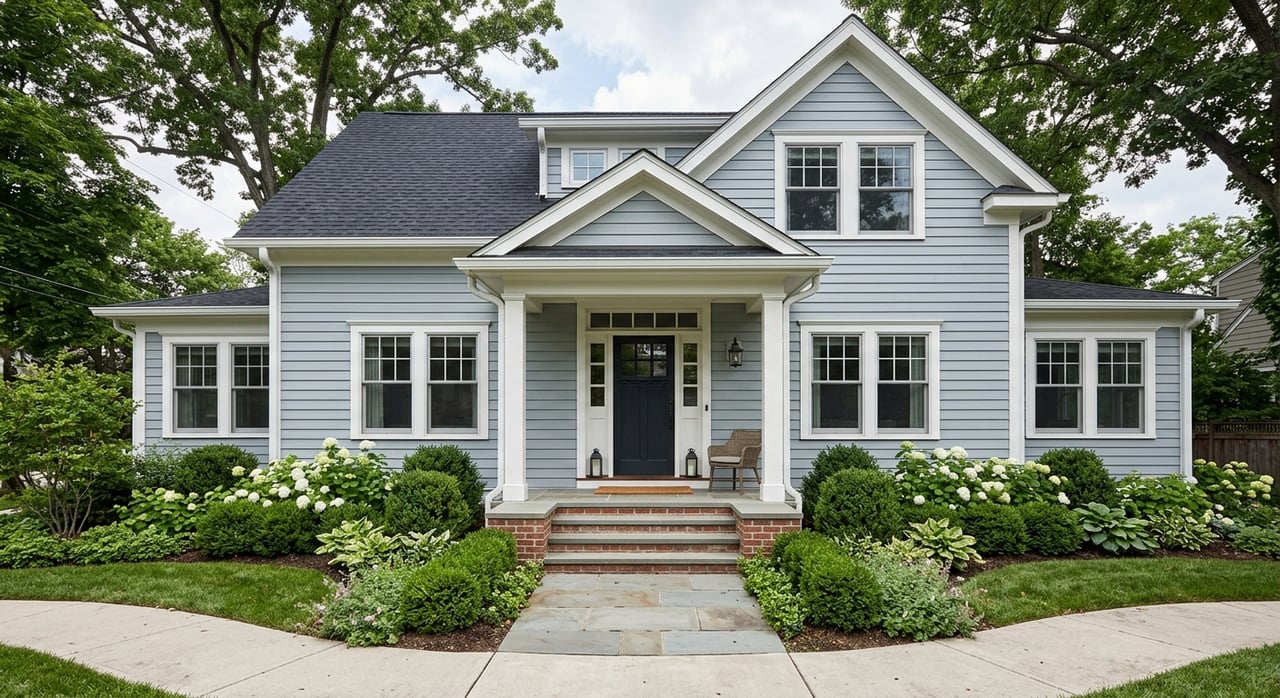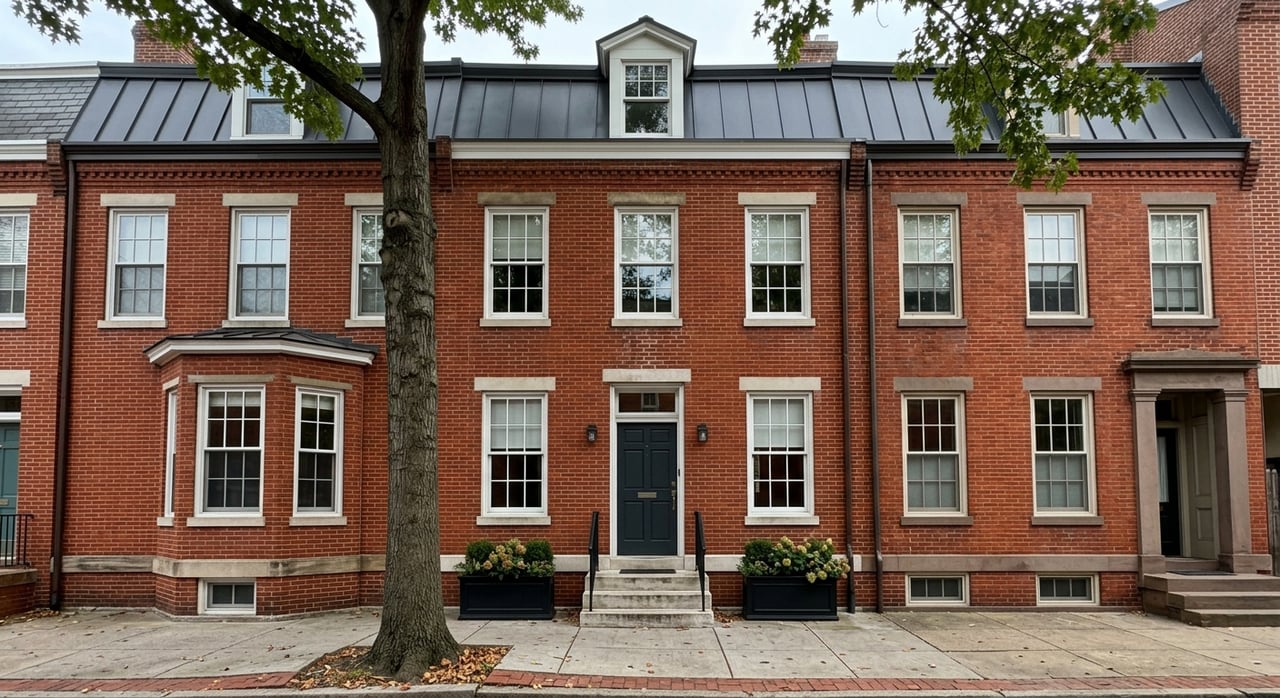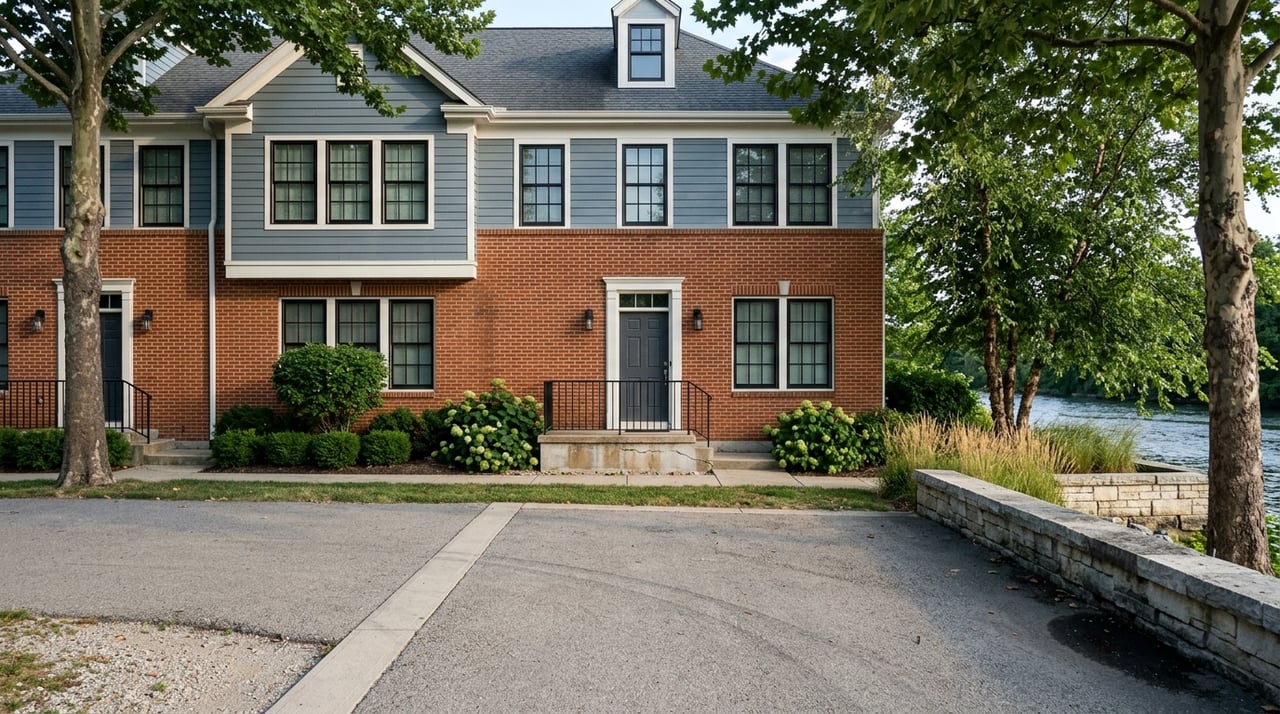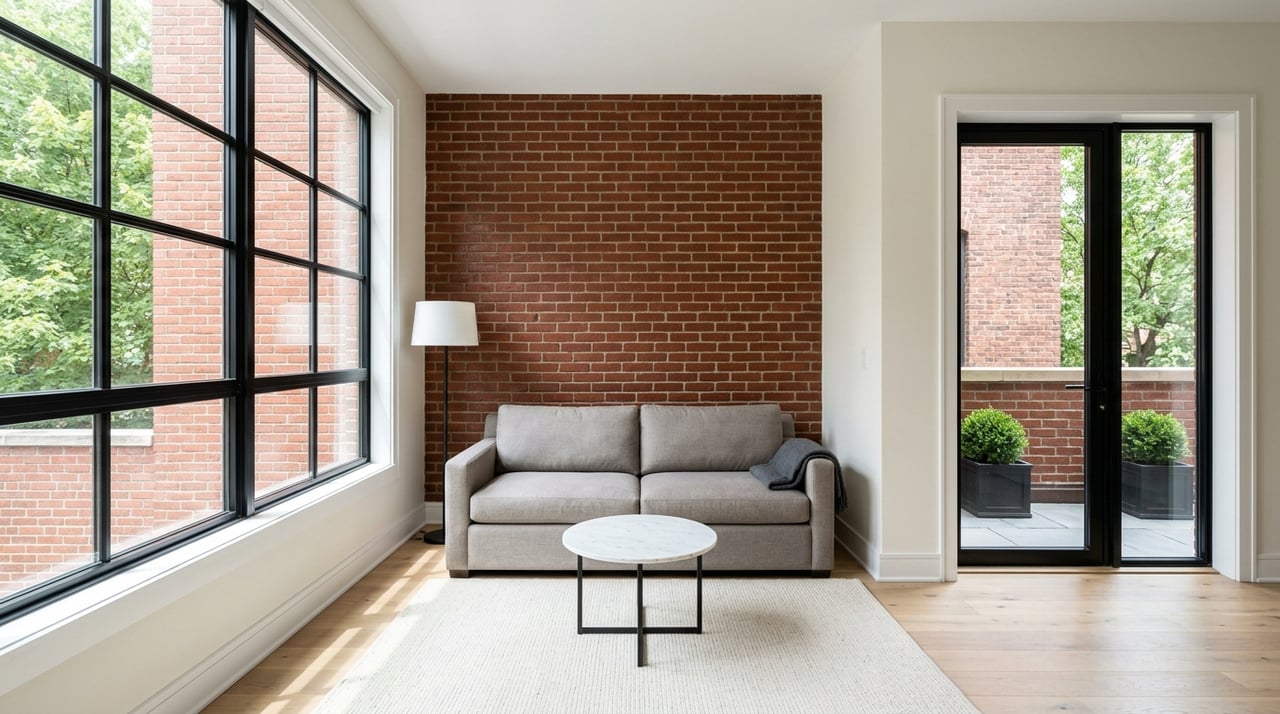
Selling a one-of-a-kind Pittsburgh home and want to keep things discreet? You are not alone. Many owners of historic, architect-designed, or highly customized properties prefer a quiet approach that protects privacy without sacrificing results. In this guide, you will learn how a private, off-market plan works in Allegheny County, what to prepare, how to price, and when to pivot if broader exposure makes sense. Let’s dive in.
Why a private plan fits unique homes
Unique homes do not always perform their best in a one-size-fits-all marketing blast. When features are uncommon, you benefit from a focused campaign that reaches the right buyers and screens out casual traffic. A private plan gives you control over timing, showings, and information.
This approach works well in Pittsburgh’s neighborhood-driven market. Buyers in Lawrenceville or the Strip District may expect lofts and adaptive reuse, while Shadyside, Squirrel Hill, and Mount Washington often attract interest in historic or view-oriented homes. Matching your property to the right micro-market matters.
What “unique” means in Pittsburgh
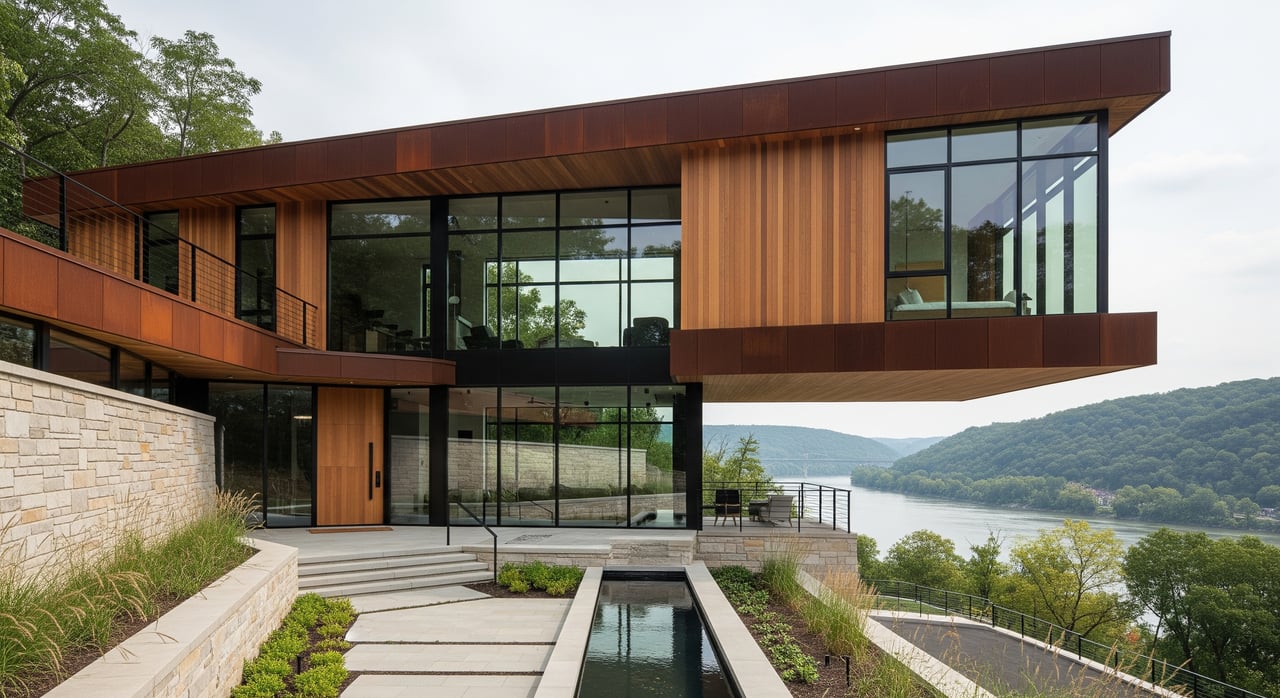
Many Pittsburgh homes stand out for architecture, history, or setting. You might be selling a Victorian in a designated district, a mid-century modern with an unusual floor plan, or a custom home perched on a hillside with dramatic views.
Common examples in the city and inner-ring suburbs include:
- Historic or architecturally significant residences
- Adaptive-reuse lofts or conversions in former industrial buildings
- Custom modern or mid-century designs
- Properties on steep or riverfront lots
- Multi-structure estates or homes with accessory units
Pros and cons of private sales
A private, off-market strategy can be powerful, but it is not perfect for every seller. Here is the balanced view so you can decide with confidence.
Advantages
- Privacy and discretion for high-profile or sensitive situations
- Curated showings that protect your time and property
- Targeted outreach to buyers who value distinctive features
- Ability to frame the narrative around your home’s uniqueness
Trade-offs
- Smaller buyer pool that can limit bidding competition
- Less market transparency, which can challenge lender or appraiser comfort
- MLS and brokerage rules may limit how long you can remain off market
- Some buyers may be cautious about “quiet” listings
Build your private-sale dossier
Preparation is your advantage. A strong dossier helps buyers, lenders, and appraisers understand the value of your property.
Create a concise package that includes:
- High-quality photography, drone images, and measured floor plans
- A clear narrative highlighting unique features and buyer fit
- System and material histories, permits, and renovation invoices
- Historic designation documents and approval history (if applicable)
- Environmental reports where relevant, such as radon tests
- A recent appraisal or broker price opinion to anchor pricing
For showings, consider password-protected digital materials and watermarked images. Use only essential details at first, then release full documentation after you vet buyer interest.
Pricing and appraisal strategy
Appraisers often rely on comparable sales. When your home has few direct comps, you will need to support value using broader data and clear documentation.
Use a strategy that combines:
- A comp analysis with a wider geographic or time range, focusing on similar quality and features rather than perfect matches
- Replacement cost estimates or documentation of major improvements
- A pre-listing appraisal or broker price opinion to set realistic expectations
Set an asking price that reflects limited exposure. You can either price slightly below broad-market expectations to create urgency or price at a level supported by your dossier and recent activity among similar-quality homes. Define a clear timeline to reassess if activity is low.
Finance and insurance hurdles
Some lenders scrutinize homes with unusual construction, access, or nonstandard uses. Buyers may face additional appraisal requirements, engineering reports, or limited loan programs.
Common financing paths include:
- Conventional loans when features align with underwriting standards
- Jumbo loans for higher price points
- Renovation loans for homes needing documented work
- Portfolio or community lenders that understand local collateral
- Cash buyers, who are common in discreet, specialty transactions
Insurance can also be more complex for historic materials, slate roofs, or multiple structures. Obtaining quotes early can prevent surprises during underwriting.
Legal and regulatory must-knows
Pennsylvania transactions commonly use standardized seller property disclosure forms. If your home was built before 1978, federal lead-based paint disclosure rules apply, including providing the EPA pamphlet and any known lead information. Be transparent about known restrictions, especially if your home is in a historic district or is individually designated.
Confirm zoning, permitted uses, and any nonconforming or accessory uses through local offices if relevant. Radon is prevalent in parts of Pennsylvania, so testing and mitigation history are useful to share. State, county, and municipal transfer taxes and recording fees apply. For exact rates, consult local title professionals.
MLS and brokerage rules may restrict extended off-market marketing or require specific cooperation terms. Your listing agreement and marketing plan should align with current rules and fair housing laws.
Your private marketing playbook
A private plan is most effective when it is targeted and disciplined. Combine selective exposure with strong buyer qualification.
- Broker networking: Share curated packets with cooperating agents who work with qualified buyers for distinctive homes.
- Discreet digital distribution: Use password-protected pages or unlisted videos for serious prospects.
- Targeted outreach: Connect with potential buyers who value unique architecture, including local professionals and niche enthusiasts.
- Limited print or direct mail: Consider personalized outreach to known collectors or designers.
If you work with a brokerage platform that offers private channels, you can leverage those tools for additional controlled exposure.
Showing rules and buyer vetting
Preserve your time and privacy by setting clear standards for in-person access.
- Require proof of funds or a current prequalification letter before showings
- Use a brief buyer questionnaire to confirm fit and timeline
- Consider NDAs for sensitive details, and have counsel review the form
- Schedule grouped or limited showings to reduce intrusion and maintain control
Staging can be subtle. Highlight key architectural features while minimizing personal items. Keep rare fixtures or artworks secured, and document inclusions and exclusions in advance.
Timeline you can expect
Every sale is different, but a typical private plan follows a clear cadence.
- Prep and dossier assembly: 2 to 4 weeks
- Private marketing phase: 2 to 8 weeks, depending on response
- Offer to ratified contract: usually 1 to 3 weeks after receipt
- Due diligence and contingencies: 2 to 6 weeks
- Closing: commonly 30 to 60 days after contract ratification
Build in decision points so you can adjust pricing or broaden outreach if early signals are weak.
Your professional team
Selling an unconventional home benefits from specialized expertise. Assemble a team that understands Pittsburgh properties and local processes.
- Listing agent with experience in private and unique-home marketing
- Real estate attorney for contracts, NDAs, and complex title or easements
- Appraiser or broker for pricing support and value documentation
- Home inspector and specialists for structure, systems, and environmental items
- Local lender or mortgage broker with specialty property experience
- Title and escrow professionals familiar with Allegheny County practices
- Insurance broker to confirm insurability early
If your property has historic significance, consider adding a preservation consultant or architect to your advisory group.
When to go public
A private plan is a first chapter, not the entire story. Define success metrics before you start. For example, set targets for vetted inquiries, qualified showings, or acceptable offers within a 30 to 60 day window.
If results fall short, pivot to broader exposure on the MLS with improved photography and a refined narrative. The groundwork you laid in private marketing will make public launch stronger and faster.
A Pittsburgh-focused plan for your home
Pittsburgh’s micro-markets reward precision. Lofts and conversions often find buyers near Lawrenceville and the Strip District. Historic or view properties may resonate in Shadyside, Squirrel Hill, Mount Washington, or South Side. Distinctive estates and custom builds also appear in Fox Chapel and the southern suburbs, including Mt. Lebanon and Upper St. Clair.
A private plan lets you test the right neighborhoods and buyer profiles first, then scale up with confidence. The key is an organized dossier, disciplined qualification, and a pre-planned pivot.
Ready to build a private plan for your unique Pittsburgh home? Request a Concierge Consultation with Kevin C. Schwarz, Real Estate Agent to discuss timing, pricing support, and discreet distribution tailored to your property.
FAQs
What is a private home sale in Pittsburgh?
- A private sale is an off-market approach where your property is marketed to a limited, targeted audience instead of being listed broadly on the MLS.
Will a private sale reduce my potential sale price?
- It can. Reduced exposure may limit competition, but targeted outreach to motivated, qualified buyers can still produce strong offers when executed well.
How do I support appraisal value for a one-of-a-kind home?
- Provide a complete dossier with broader comps, documentation of major improvements, and a recent appraisal or broker price opinion to anchor value discussions.
Are NDAs useful for off-market showings?
- NDAs can protect sensitive details. Have a real estate attorney review them and ensure they do not conflict with lawful disclosures or fair housing requirements.
What financing options work for unique properties?
- Buyers often use conventional or jumbo loans, renovation loans when repairs are documented, portfolio lending from local institutions, or cash.
What disclosures are required for older homes?
- Pennsylvania transactions commonly use standardized seller disclosures, and homes built before 1978 must include federal lead-based paint disclosures and the required pamphlet.