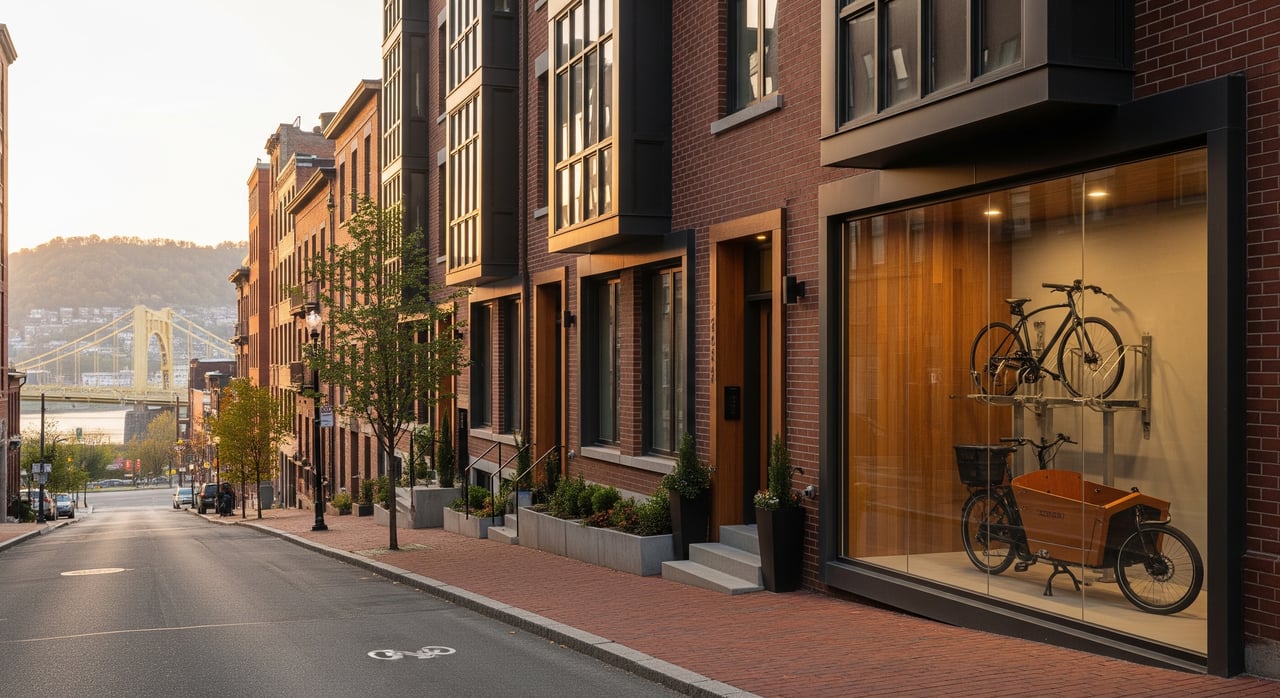
Thinking about shedding a car in Pittsburgh, or skipping a second vehicle? You are not alone. Many professionals want the freedom of walkable streets, flexible commutes, and fewer car bills, but worry about hills, winter, and late-night reliability. In this guide, you will see where a car-light lifestyle works, what tradeoffs to expect, and how to set yourself up for success in core neighborhoods. Let’s dive in.
Is car-light living realistic?
Yes, if you choose the right address. Pittsburgh’s central neighborhoods have walkable corridors, active bus service, and access to trails that can cover most daily trips. Living near Downtown, Shadyside, parts of Lawrenceville, the Strip District, or the North Shore makes a car-light routine practical for many buyers.
The biggest variables are hills, weather, and off-peak transit frequency. You can offset these with smart neighborhood selection, access to e-bikes, rideshare for odd hours, and buildings with bike storage and delivery-friendly amenities.
Who it works best for
- Young professionals who work Downtown or near Oakland and want to walk, bus, or bike for daily errands.
- Physicians and medical staff based near Oakland or Downtown who can align housing with frequent routes or short bike connections.
- Small households that can manage groceries with walking, delivery, or a cargo/e-bike.
What can get in the way
- Hilly terrain and bridges can turn short distances into tougher trips.
- Winter snow and ice can slow walking and biking, and some sidewalks or bike lanes may not be cleared evenly.
- Evening and weekend transit frequency is often lower, which impacts late or early shifts.
Neighborhood snapshot: what to expect
Downtown
Downtown offers the highest concentration of bus routes, short walks between destinations, and quick access to light rail terminals. If you work in the central business district, you can run most errands on foot. Expect higher costs for building parking, and plan for rideshare or short-term rentals for big weekend errands or trips.
Shadyside
Shadyside is compact and walkable along Ellsworth, Walnut, and Forbes, with frequent bus connections to Oakland and Downtown. If you want coffee, dining, and neighborhood shops within a short walk, it fits well. Edges of the neighborhood include some hills, and certain routes are busier or less frequent outside peak hours.
Lawrenceville
Living close to Butler Street or 40th Street supports a strong car-light routine, thanks to a lively corridor, improving bike connections, and access to riverfront trails. Off-corridor blocks can mean longer walks to services, and some transit segments are less frequent. Physicians with early or late shifts should verify route schedules for their specific hours.
Strip District
The Strip District is walkable during the day, with markets, food options, and river trail access. It sits close to Downtown and the North Shore, which helps for short commutes. Residential pockets are more limited, some services are quieter at night, and commercial loading activity can complicate car-free grocery runs unless you plan for delivery or a rideshare assist.
Other car-light options to watch
- North Shore: Walkable to stadiums and river trails, and close to Downtown.
- South Side Flats: Strong walkability on East Carson Street. Hills rise quickly off the flats.
- Oakland: A major hospital and university hub with heavy bus service. Very relevant for medical commutes.
Commutes and off-hours realities
Peak-hour commutes to Downtown and Oakland are the strongest. If you live near frequent routes or light rail, reliability improves. Biking becomes more practical with an e-bike, especially where hills are unavoidable.
For late-night and early-morning shifts, plan a backup. Rideshare is widely available, but wait times and surge pricing can increase during big events or winter storms. Hospital shuttles or employer-subsidized options may be available, so confirm with HR if you work in healthcare.
Groceries, errands, and daily life
Small households can manage groceries on foot with a backpack or a compact cart. A cargo or electric-assist bike makes heavier loads practical. Families may need more frequent access to a vehicle or delivery to keep errands manageable.
Make life easier by choosing buildings with secure bike storage, package lockers, and reliable delivery access. For bulky items, plan a monthly carshare, on-demand rental, or a rideshare run timed to off-peak traffic.
Build your car-light toolkit
- E-bike or electric-assist bike: Flattens hills and expands your range for errands and commutes.
- Transit + rideshare: Use buses or light rail for core trips, then tap rideshare for off-hours or last-mile needs.
- Carshare or short-term rentals: Reserve a vehicle monthly for big errands or weekend getaways.
- Building amenities: Look for secure bike parking, lockers, and delivery-friendly layouts.
- Employer benefits: Ask about transit pass subsidies, shuttles, or discounted parking for hybrid strategies.
How to choose the right address
Use a simple checklist before you commit:
- Map your routine. Identify your primary work site, grocery options, gym, and daily stops.
- Prioritize proximity. Target homes near walkable corridors and frequent bus lines, or within a flat or short e-bike ride of work.
- Verify route schedules. Check weekday, evening, and weekend service for your exact shift times.
- Test your trip. Do a practice commute at your real start or end time. Include a grocery run.
- Confirm building features. Ask about bike storage, package lockers, and guest or on-demand parking.
- Plan for winter. Identify safe routes with good lighting and less exposure to steep, icy sections.
Costs to compare
Owning a car includes insurance, maintenance, parking, fuel, and depreciation. A car-light setup swaps those for transit passes, occasional rideshares, carshare or short-term rentals, and possibly an e-bike and storage. In many Downtown scenarios, the cost of a dedicated parking space can exceed a monthly bundle of transit plus rideshare for a small household. Run the math for your lifestyle and see which mix saves time and money.
Safety and comfort expectations
Pittsburgh’s hills and stairs are part of daily life. Choose routes with safer grades, and give yourself extra time in snow or heavy rain. Nighttime transit comfort varies by route and hour, so choose well-lit stops, travel with a buddy when possible, and keep a rideshare backup for late shifts or unexpected delays.
Bottom line
A car-light lifestyle in Pittsburgh is realistic when you anchor your home near transit, jobs, or flat, well-connected corridors. You will likely still want occasional car access for big errands or weekend trips, but with the right neighborhood, an e-bike, and a backup plan for off-hours, daily life can feel easy and efficient.
If you want help aligning a home search with your commute, shift schedule, and lifestyle, reach out. As a concierge-minded, hyper-local advisor, Kevin C. Schwarz, Real Estate Agent can help you compare neighborhoods, vet building amenities, and execute a smooth, data-informed purchase.
FAQs
Can I live car-free and still commute to hospitals?
- Often yes in core neighborhoods with frequent service to hospital clusters, but verify off-hours schedules. Many physicians keep a rideshare or carshare backup for overnight or early shifts.
Which Pittsburgh neighborhoods are best for walking to restaurants and coffee?
- Downtown, Shadyside, parts of Lawrenceville, and the Strip District offer the highest concentration of walkable amenities along their main corridors.
Is biking realistic with Pittsburgh’s hills and weather?
- Yes, especially with an e-bike. Hills become manageable, and you can combine bike + transit. Plan for slower trips in winter or heavy rain.
How often will I need a car if I go car-light?
- Many urban households use a car 1 to 4 times per week for big shopping, appointments outside core corridors, or weekend trips. Families often need more frequent access.
Are rideshares dependable late at night in the city?
- Generally available, but expect occasional surge pricing or longer waits during major events or winter storms. Keep a transit or shuttle option in mind when possible.