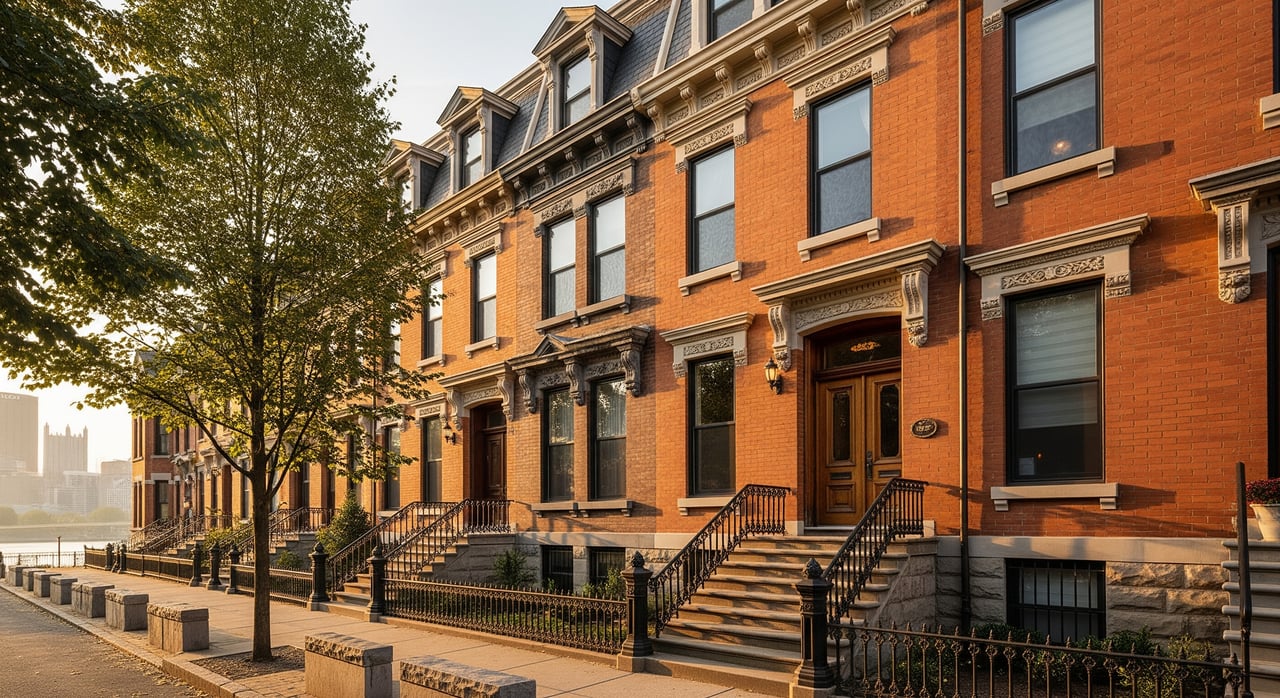
Buying your first home in Allegheny-West can feel exciting and overwhelming at the same time. The neighborhood’s historic rowhouses and classic single-family homes often come with questions about repairs, financing, and how to make your money go further. The good news: first-time homebuyer programs can help you lower upfront costs, strengthen your offer, and navigate older-home realities with confidence.
In this guide, you will learn which programs to explore in Pittsburgh and Allegheny County, what they typically require, how to apply, and practical tips specific to Allegheny-West’s housing stock. Let’s dive in.
What “first-time buyer” means
Most programs define a first-time buyer as someone who has not owned a home in the last three years. Some programs have exceptions for veterans or properties in targeted areas. The exact definition can vary, so you should confirm the rules for any program you plan to use.
Program options at a glance
Here are the main types of programs Pittsburgh buyers commonly consider. Availability and terms can change, so verify specifics before you apply.
Federal loan programs:
- FHA loans offer lower down payments and more flexible credit guidelines. Mortgage insurance is typically required.
- VA loans provide zero-down financing for eligible veterans and service members. These are not limited to first-time buyers.
- USDA loans offer zero down for eligible rural properties. These may not apply inside Pittsburgh city limits but could fit certain nearby areas.
State programs in Pennsylvania:
- Pennsylvania Housing Finance Agency (PHFA) provides affordable mortgages, down payment and closing cost help, and required homebuyer education for eligible buyers across the state.
- Mortgage Credit Certificates or tax credit options may be available depending on the year. Always check current PHFA offerings.
City and county programs:
- The Urban Redevelopment Authority (URA) of Pittsburgh has historically offered homeownership resources and property rehab support. Confirm current programs and whether they cover Allegheny-West.
- Allegheny County may run or fund down payment assistance or partner programs through county agencies or local nonprofits.
Local nonprofit and community-based support:
- HUD-approved housing counseling agencies and local community development organizations provide required or recommended homebuyer education, budgeting help, and program referrals.
Conventional low-down options:
- Fannie Mae HomeReady and Freddie Mac Home Possible are low down payment conventional loans that can pair well with eligible assistance from lenders or local programs.
Down payment assistance structures:
- Grants that do not require repayment.
- Forgivable loans forgiven after you live in the home for a set period.
- Deferred-payment or low-interest second mortgages repaid when you sell or refinance.
- Matching-savings programs in select cases.
Which program might fit you
Use these scenarios to start a conversation with your lender and a HUD-approved housing counselor.
If you want a low down payment and flexible credit
- Consider FHA financing, potentially combined with PHFA down payment or closing cost assistance if you qualify.
- Ask your lender which DPA programs they originate and whether you can layer assistance with your primary loan.
If you are a veteran or active-duty service member
- Look at VA loans for zero-down financing and competitive terms. You can also ask about pairing VA financing with any compatible local assistance.
If your income is moderate and you want education support
- PHFA programs are designed for eligible buyers statewide and often require homebuyer education, which strengthens your budget planning and readiness.
If you are open to nearby areas outside the city
- Explore USDA eligibility for certain suburban or rural communities. Your lender can confirm address eligibility.
If you prefer a conventional loan
- Ask about HomeReady or Home Possible for low down payment conventional financing. These can work well with certain lender or community assistance funds.
If you are considering a historic or older home
- Many programs allow older homes, but minimum property standards still apply. Plan for thorough inspections, budget for repairs, and confirm that any needed work will meet lender and program requirements.
Eligibility basics and documents to gather
Program rules vary, but you will likely see some combination of these standards and items:
Common eligibility rules:
- First-time buyer status based on the past three years
- Income limits tied to area median income and household size
- Maximum purchase price caps
- Owner-occupied, primary residence use
- Eligible property types, typically single-family homes, townhouses, and some condos
- Credit score and debt-to-income guidelines set by the loan type and assistance program
- Completion of approved homebuyer education prior to closing
Typical documentation:
- Photo ID and Social Security numbers for all borrowers
- Recent pay stubs, W-2s, and federal tax returns
- Bank statements and asset documentation
- Gift letters if any funds are gifted
- Homebuyer education certificate if required
- Signed purchase agreement and property details
- Proof of residence or rental history
Property considerations in Allegheny-West
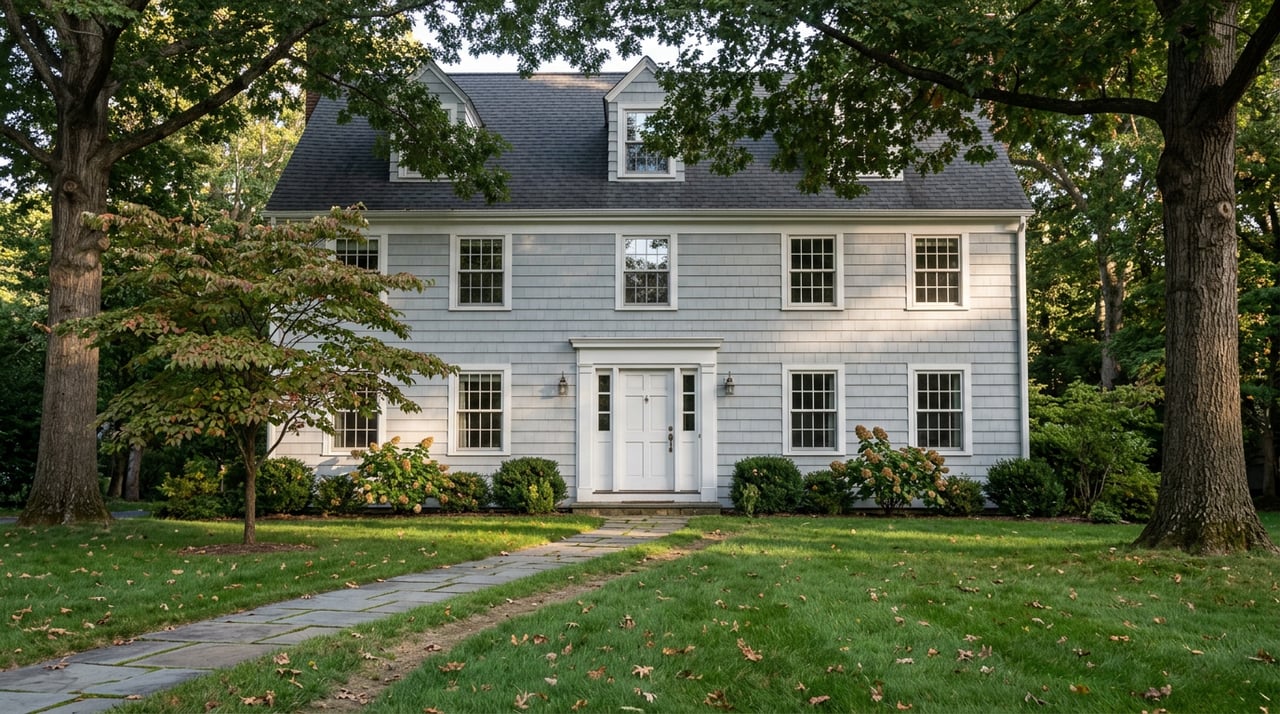
Allegheny-West features older, often historic homes. That character brings charm and uniqueness, but it also means you should plan for careful due diligence.
- Expect inspection-forward decisions. Older systems and roofs may require repair or replacement to meet lender and program property standards.
- Understand historic implications. Historic designation can influence renovation requirements and appraisals. Build time and budget for this.
- Confirm repair responsibility early. Some repairs must be completed before closing. Clarify who will handle them and how that affects your timeline.
- Map long-term costs. Set aside funds for ongoing maintenance common to older homes.
The step-by-step process and timing
Use this framework to reduce surprises and keep your purchase on schedule.
- Check your credit and readiness. Review your credit reports, address any issues, and outline your budget.
- Complete homebuyer education if required. Many programs require counseling before you apply or before closing.
- Get prequalified or preapproved with a participating lender. Confirm which programs they offer and any property or income limits.
- Find a home and write a strong offer. Make sure the property type and price fit your chosen program’s rules.
- Apply for the loan and assistance at the same time. Some programs require separate applications to a city, county, or state agency.
- Complete underwriting and appraisal. The lender will evaluate income, credit, and the home’s condition. Repairs may be required.
- Close and fund. Assistance funds may arrive at closing or be recorded as a second lien. Ask how forgiveness or repayment works.
Typical timelines from preapproval to closing run 30 to 60 days or more. Adding down payment assistance can extend timing, so build in extra time and communicate this in your offer.
Smart strategies to avoid pitfalls
- Confirm eligibility early. Know program rules before you bid so you can write realistic timelines and contingencies.
- Use HUD-approved counseling. Education strengthens your application and helps you plan for total monthly costs.
- Choose lenders who originate the assistance you need. Not all lenders handle PHFA or local DPA.
- Budget beyond the down payment. Include closing costs, inspections, prepaids, and potential HOA fees.
- Track forgiveness and recapture clauses. Understand what happens if you sell or refinance within the retention period.
- Keep documents current and organized. Missing paperwork can delay approvals.
Local organizations to contact next
When you are ready, verify the latest program details and availability with:
- Pennsylvania Housing Finance Agency (PHFA)
- U.S. Department of Housing and Urban Development (HUD) and local HUD-approved counseling agencies
- Urban Redevelopment Authority (URA) of Pittsburgh or the City of Pittsburgh housing office
- Allegheny County housing or community development departments
- NeighborWorks Western Pennsylvania and local community development corporations
- Participating community banks, credit unions, and mortgage lenders familiar with PHFA and local DPA
Quick first-time buyer checklist
- Complete a HUD-approved homebuyer education course
- Speak with a lender who originates PHFA and local DPA
- Confirm first-time buyer status and income limits
- Verify purchase price caps and eligible property types
- Gather pay stubs, W-2s, tax returns, and bank statements
- Plan for inspections and potential repairs on older homes
- Ask about timelines for assistance approval and funding
- Review forgiveness, recapture, and resale rules before you sign
Buying in Allegheny-West can be a smart move if you pair the right loan with the right assistance and plan for the realities of an older home. With clear steps, a strong lender and counselor, and a local agent who knows the neighborhood, you can buy with confidence and protect your long-term value.
If you want concierge-level guidance, neighborhood insight, and a strategy built around your timeline and budget, connect with Kevin C. Schwarz, Real Estate Agent to Request a Concierge Consultation.
FAQs
What Pittsburgh programs help first-time buyers in Allegheny-West?
- Federal options like FHA and VA, state-level PHFA mortgages and assistance, city or county programs, and HUD-approved counseling are common paths. Verify current availability.
Can I combine PHFA with city or county down payment help?
- Often yes, but it depends on lender participation and each program’s rules. Confirm with your lender and the program administrator before you write an offer.
How long does the process take if I use assistance?
- Plan for 30 to 60 days or more from preapproval to closing. Assistance applications can add time, so build in extra days and set expectations in your offer.
Do I have to repay down payment assistance in Pittsburgh?
- It depends. Grants are not repaid, forgivable loans are forgiven after a set period of occupancy, and deferred loans are often repaid at sale or refinance. Read the terms closely.
Are historic Allegheny-West homes eligible for these programs?
- Often yes, but the home must meet minimum property standards and any historic requirements. Expect thorough inspections and confirm repair items with your lender.
What credit score do I need as a first-time buyer?
- Requirements vary by loan type and assistance program. FHA can allow lower scores, while conventional options may require higher scores. A HUD-approved counselor can help you prepare.
What counts as a first-time buyer for PHFA or local programs?
- Many define it as no homeownership in the past three years, with some exceptions. Always check the specific program’s definition.
Can program funding run out during the year?
- Yes, some local funds are limited and can pause or change. Apply when you are ready and confirm availability before you make an offer.
Will assistance affect my taxes?
- Some forms of assistance may have tax implications. Consult a tax advisor for guidance on your situation.