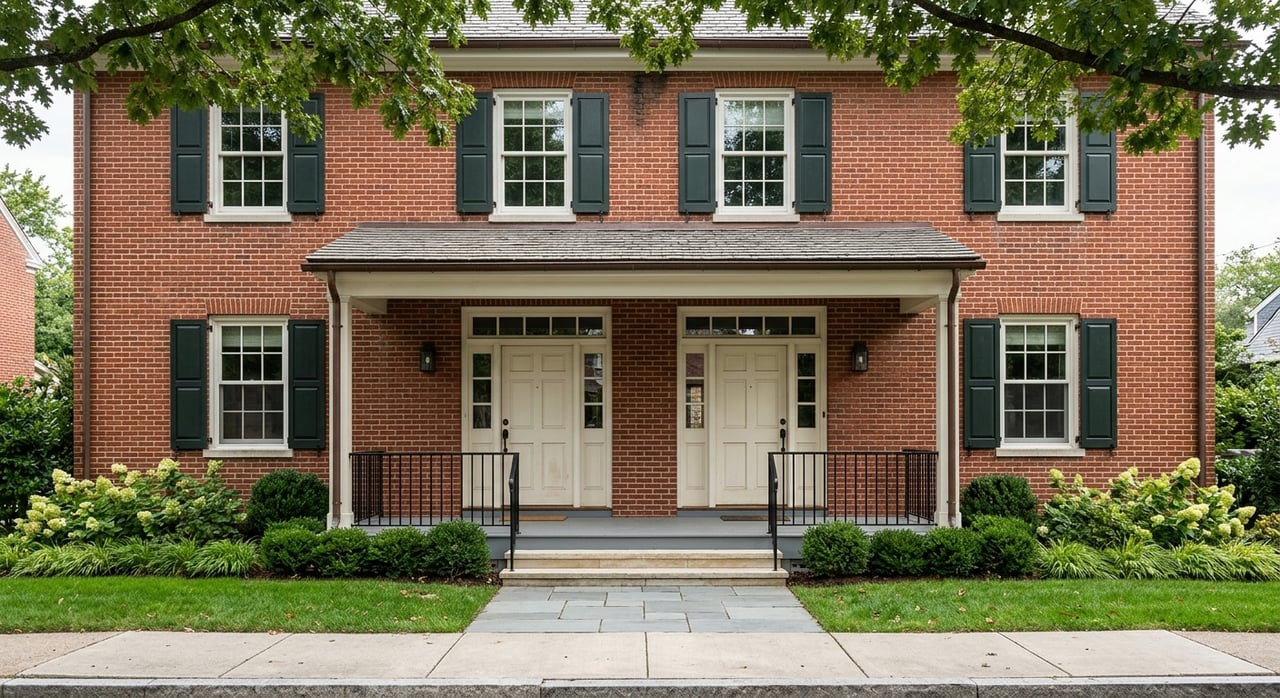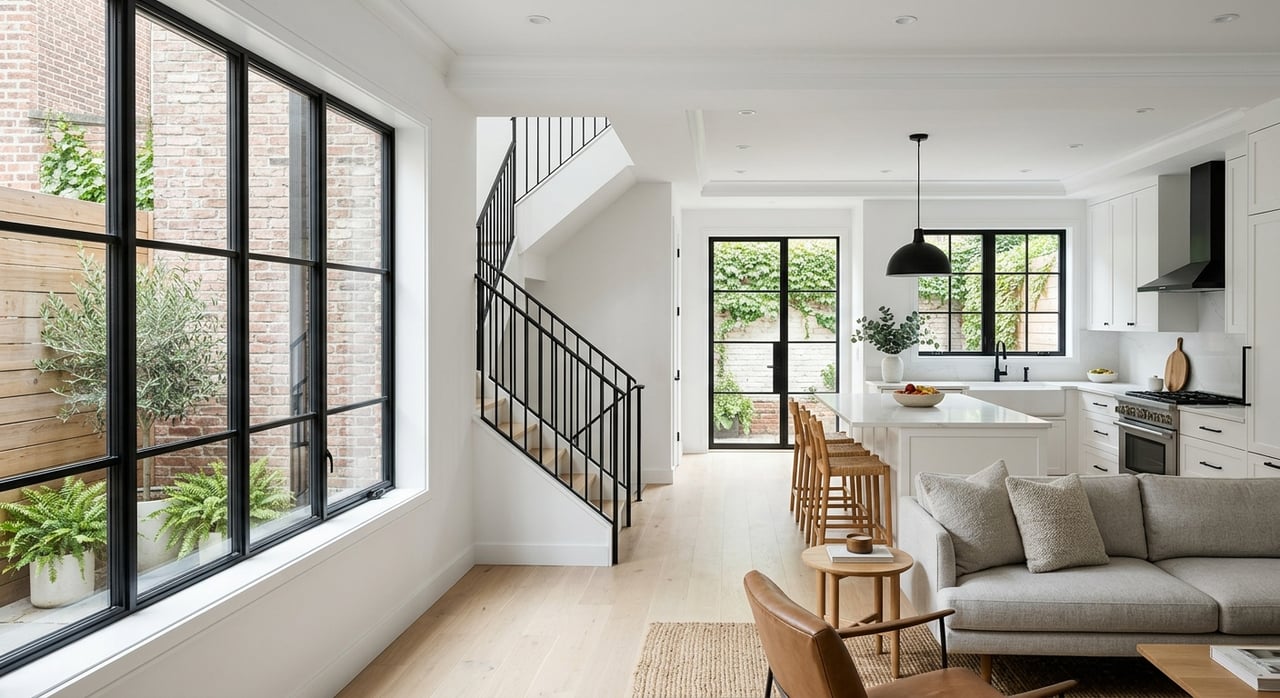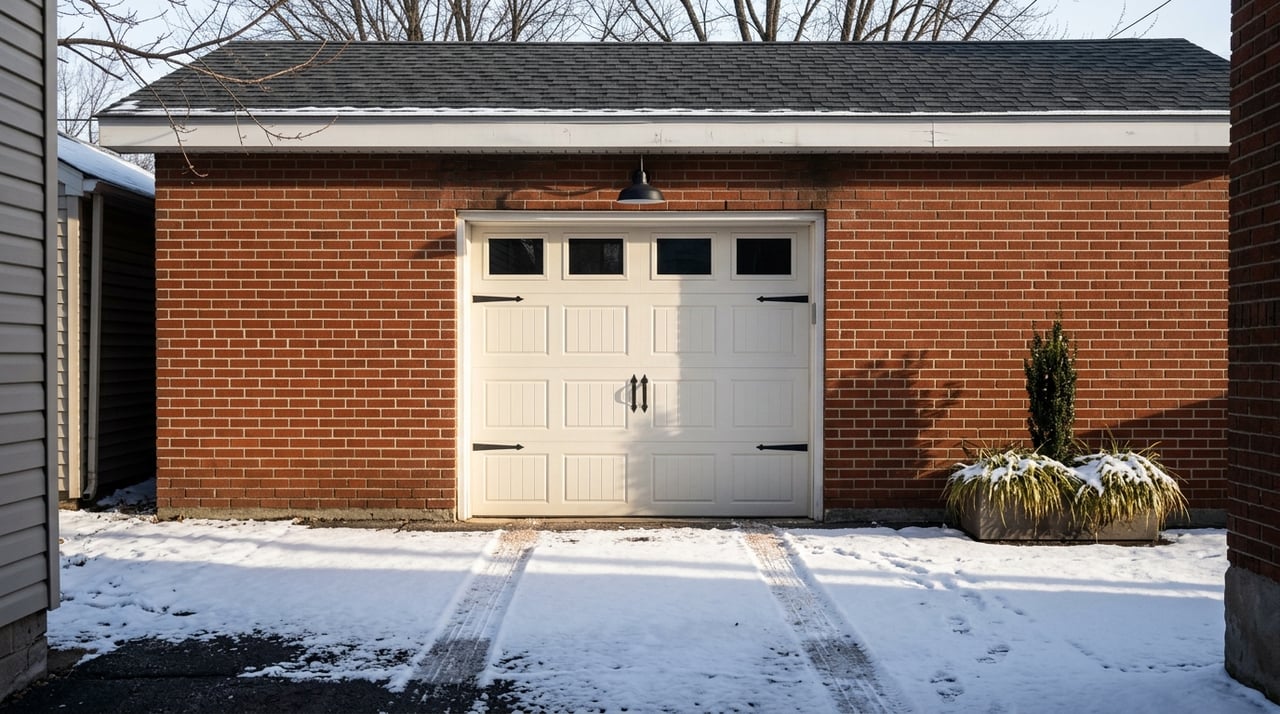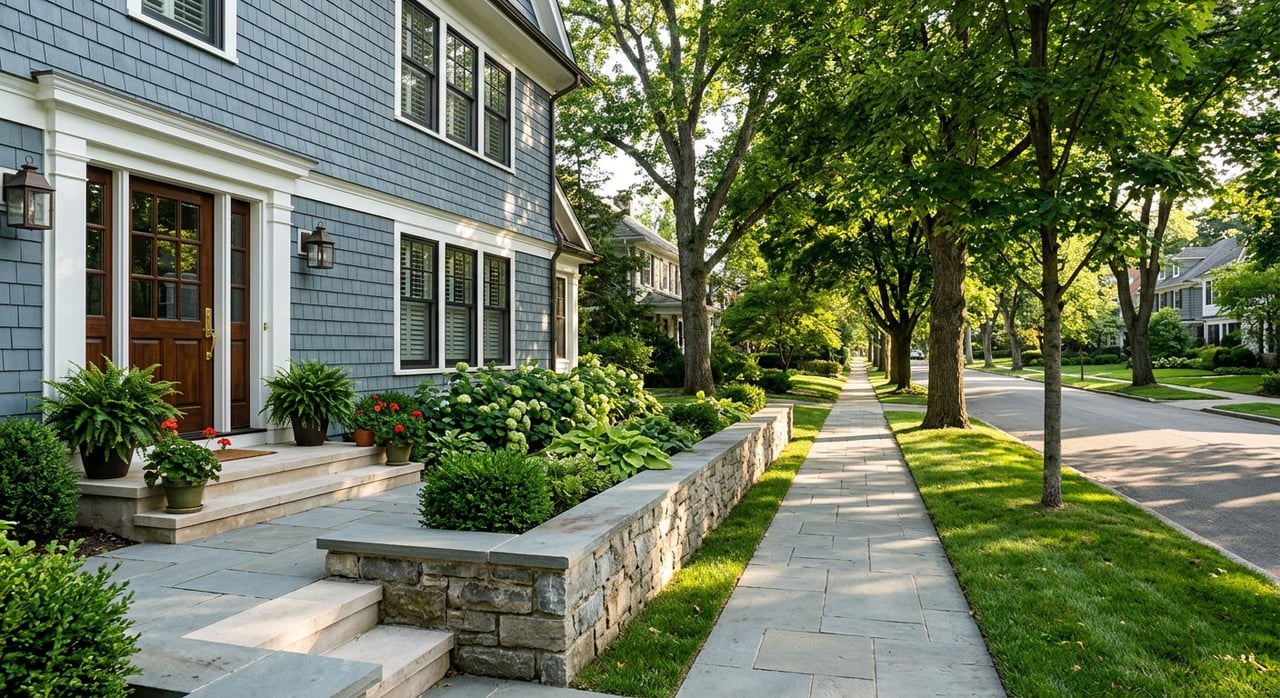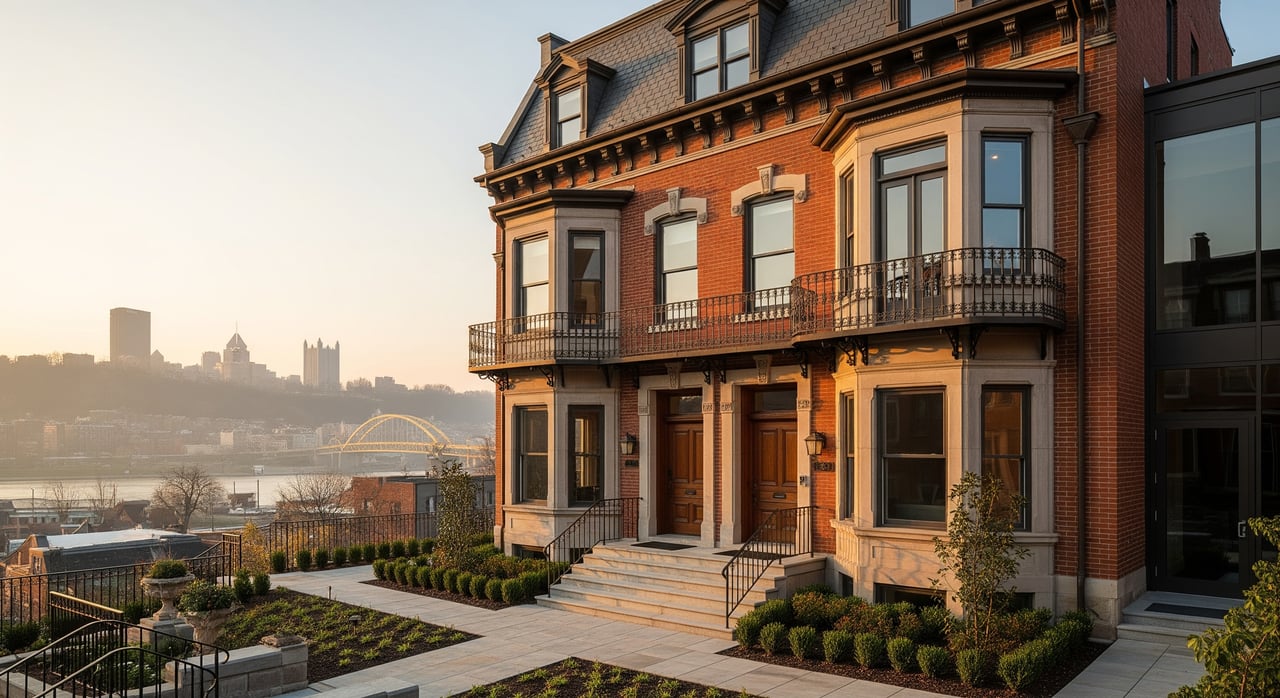
What if your neighbor covered a big chunk of your mortgage every month? That is the appeal of house hacking a duplex in Pittsburgh. If you plan to live in one unit and rent the other, you can lower your housing costs while building equity. In this guide, you will learn how to finance a two‑unit purchase, what to inspect in older Pittsburgh homes, how to stay compliant, and how to run the numbers with confidence. Let’s dive in.
What house hacking means
House hacking a duplex means you buy a two‑unit property, live in one unit as your primary home, and rent out the other. As an owner‑occupant, you may qualify for more favorable loan terms than typical investor loans. The rent can offset a large portion of your mortgage and operating costs.
You should plan to live onsite at least one year, manage a tenant or hire help, and set aside funds for maintenance. Many Pittsburgh duplexes are older, so inspections and a repair plan matter.
Financing basics in Allegheny County
Loan options to discuss
- FHA: Popular for two‑unit primary residences. You must occupy the home as your primary residence, generally within a short period after closing, and for at least one year. Confirm current Allegheny County loan limits with a lender since they change yearly.
- VA: For eligible veterans buying up to four units while living in one. Owner‑occupancy is required and underwriting varies by lender.
- Conventional: Fannie Mae and Freddie Mac programs may allow two‑unit owner‑occupied financing with varying down payments and mortgage insurance rules.
- Local portfolio loans: Community banks and credit unions sometimes offer competitive terms for two‑unit purchases. It is worth comparing.
Questions to ask your lender
- What is the minimum down payment for a two‑unit primary residence?
- Can projected rent help me qualify? What documentation is required for market rent or leases?
- What occupancy timeline is required? Many programs require one year.
- How will the appraisal handle duplex comps in my target neighborhood?
Insurance and taxes
- Insurance: Ask for owner‑occupied landlord coverage, not a standard homeowner policy. Price out liability limits and any needed riders. If the property sits in a floodplain, get a flood quote.
- Taxes: Rental income is taxable. You can typically deduct the rental portion of mortgage interest, property taxes, insurance, utilities you pay, repairs, and depreciation for the rented unit. Keep careful records and consult a CPA, since a mixed use property changes how you apply the primary residence capital gains exclusion.
Pittsburgh neighborhoods and demand
Where renters look first
Demand clusters near major universities and hospitals. Neighborhoods around the University of Pittsburgh and Carnegie Mellon often see steady interest from students and staff. Areas near UPMC and Allegheny Health Network facilities also attract tenants. Transit access, walkability, and proximity to job centers broaden your tenant pool.
Neighborhood examples to explore
- University‑adjacent: Oakland, South Oakland, Squirrel Hill, Shadyside, and Bloomfield show strong demand with seasonality tied to the academic calendar.
- Two‑flats and rowhomes: Lawrenceville, Bloomfield, Garfield, East Liberty, and the North Side offer a mix of renters, with renovations common in older buildings.
- Lower entry prices: Crafton, Mount Washington, and parts of the North Hills may offer more approachable purchase prices. Confirm commute needs and transit.
Always verify block‑level duplex comps and rent comps before you commit. Look for nearby employment centers, hospitals, and transit.
Flood risk checks
River valley and riverfront pockets can carry flood risk. Review historic flooding, elevation, and insurance costs before you make an offer.
Local legal and code checks
Licensing and inspections
Confirm with Pittsburgh Permits, Licensing and Inspections whether rental registration, safety inspections, or certificates of occupancy are required for your duplex. If you plan to renovate, verify permit needs and code requirements early.
Landlord‑tenant law basics
Pennsylvania’s Landlord and Tenant Act governs deposits, notices, and eviction procedures. Use compliant lease forms and follow required notice periods. Court timelines vary locally, so plan for possible delays.
Safety devices and lead rules
Expect working smoke detectors and, if you have fuel‑burning appliances, carbon monoxide detectors. If the property was built before 1978, federal law requires lead‑paint disclosure and specific practices during renovations. Verify local rules if children may reside in a unit.
Zoning and occupancy limits
Confirm the property is legally a two‑unit under Pittsburgh zoning. Check occupancy limits per unit and any neighborhood‑specific rules, especially in areas with many student rentals.
Short‑term rentals
If you are considering short‑term rentals, confirm registration requirements, tax collection, and insurance. Local rules can affect feasibility and returns.
Pick the right duplex
What to inspect first
Older Pittsburgh housing deserves a thorough look. Use this list when you tour:
- Structural: foundation, brick and mortar, roof, porches, and steps
- Moisture: basement water intrusion, drainage, sump pumps, and signs of mold
- Mechanical: boiler or furnace age and service history, hot water heaters, ventilation
- Electrical: panel capacity, ungrounded circuits, knob‑and‑tube concerns
- Plumbing: galvanized pipes versus copper, water pressure, and service line material
- Fire safety: egress windows in bedrooms, unit separation, smoke and CO detectors
- Utilities: separate gas and electric meters or a plan to allocate costs
- Layout: separate entries, sound separation, and secure storage
- Historic status: approvals required for exterior changes in designated areas
Renovations that add value
- Separate utility meters when feasible
- Updated kitchens and baths for durability and rentability
- Insulation, windows, and HVAC efficiency to lower bills
- Secure, separate entries and practical storage to reduce turnover
Budget and reserves
Get multiple contractor bids and include a contingency for hidden issues. Older duplexes often mask masonry, insulation, or structural surprises. Keep a maintenance reserve, plus a capital plan for big items like the roof or boiler.
Run the numbers with a simple pro forma
A clear pro forma keeps you honest and helps you compare properties. Build yours with conservative rent and realistic expenses.
- Gross scheduled rent: sum of both units at market rent
- Vacancy allowance: subtract a prudent percentage
- Effective gross income: gross rent minus vacancy, plus other income
- Operating expenses: taxes, insurance, owner‑paid utilities, maintenance and repairs, management fees, advertising, supplies, legal and accounting
- Net operating income: effective gross income minus operating expenses
- Debt service: annual mortgage payments
- Cash flow before tax: NOI minus debt service
Quick calculator template
Use these placeholders and fill them with your local numbers:
- Purchase price: [ ]
- Down payment and interest rate: [ ]
- Unit A rent: [ ] | Unit B rent: [ ] | Other income: [ ]
- Vacancy rate: [ ]
- Annual property taxes: [ ]
- Insurance: [ ]
- Owner‑paid utilities: [ ]
- Maintenance and repairs: [ ]
- Management and leasing fees: [ ]
- Legal, accounting, advertising, supplies: [ ]
Then calculate:
- Gross scheduled rent = A + B + other income
- Vacancy allowance = gross rent × vacancy rate
- Effective gross income = gross rent − vacancy allowance
- Operating expenses = sum of all expenses
- NOI = effective gross income − operating expenses
- Debt service = annual mortgage payments
- Cash flow before tax = NOI − debt service
Stress‑test scenarios
- Vacancy gap: What if one unit is empty for two months?
- Repair shock: What if a boiler or roof replacement hits this year?
- Rent cushion: What if rent is 5 to 10 percent below your estimate?
Build reserves and make sure the deal still works under these tests.
Operate like a pro
Tenant mix and leases
Decide whether you will target students, young professionals, hospital staff, or longer‑term renters. Match lease terms to the audience and seasonality. Use compliant lease forms and spell out utilities, parking, maintenance, and notice requirements.
Rent setting and seasonality
Base rent on current neighborhood comps and condition, and note what utilities are included. In university areas, most turnovers cluster in late spring and early summer. Plan ahead for leasing lead time.
Self‑manage or hire help
Self‑management can lower costs but takes time and consistency. Property managers typically charge a percentage of rent, plus leasing fees. If you are new, paid management can reduce risk while you learn the ropes.
Risks in Pittsburgh and how to reduce them
- Deferred maintenance in older buildings: order thorough inspections and budget a contingency
- Tenant turnover tied to academic calendars: plan leases and marketing dates
- Code and permit surprises: verify legal two‑unit status and required registrations before closing
- Flood risk and insurance costs: check risk early and price flood coverage
- Big‑ticket items: keep a capital reserve for the roof, boiler, or structural repairs
Your next steps
- Get pre‑approved for a two‑unit owner‑occupied loan and confirm how rental income will be counted.
- Shortlist neighborhoods by tenant demand drivers and your commute.
- Run a conservative pro forma and stress tests before you tour.
- Use the inspection checklist and confirm legal two‑unit status, permits, and required registrations.
- Line up a home inspector, a real estate attorney, a CPA, and contractor bids before you make an offer.
Ready to explore house hacking in Pittsburgh with a finance‑first plan and local insight? Connect with Kevin C. Schwarz, Real Estate Agent for a concierge consultation tailored to your goals.
FAQs
What is house hacking a duplex in Pittsburgh?
- It means buying a two‑unit property, living in one unit as your primary home, and renting the other to offset your mortgage and expenses.
How long must I live in a duplex with owner‑occupant financing?
- Many programs require you to occupy the property as your primary residence for about one year; confirm the exact timeline with your lender.
Can projected rent help me qualify for a two‑unit loan in Allegheny County?
- Often yes, but lenders set documentation rules for market rent or leases; ask what they require and how much rent income they will count.
What inspections are most important for older Pittsburgh duplexes?
- Focus on structure, moisture control, roof, mechanicals, electrical safety, plumbing, egress, and unit separation; verify smoke and CO detectors.
What local registrations or licenses might I need for a Pittsburgh rental?
- Confirm with Pittsburgh Permits, Licensing and Inspections whether rental registration, inspections, and a certificate of occupancy apply to your duplex.
How should I estimate vacancy and repairs in my pro forma?
- Use conservative vacancy and repair allowances, then stress‑test for a two‑month vacancy and a major repair to be sure the deal still works.